
Last updated November 15, 2026
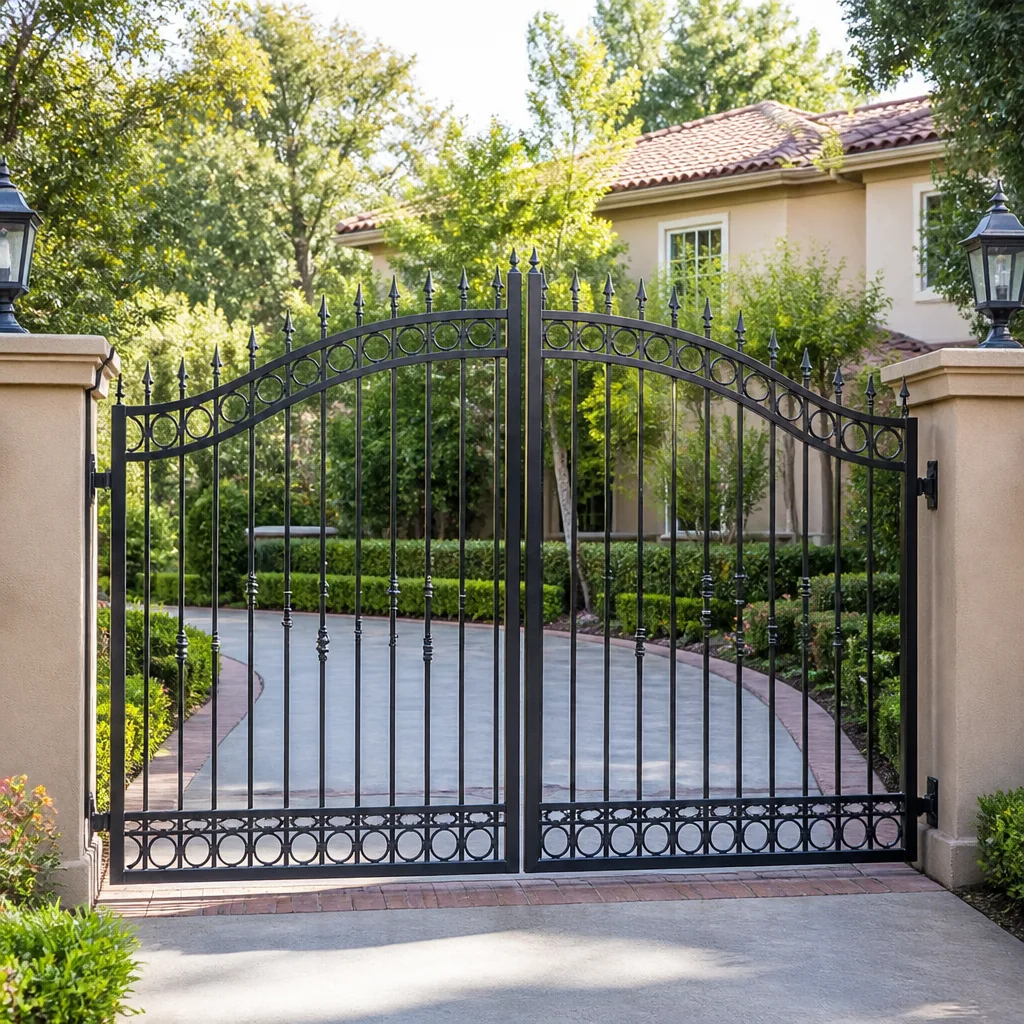 Wrought iron
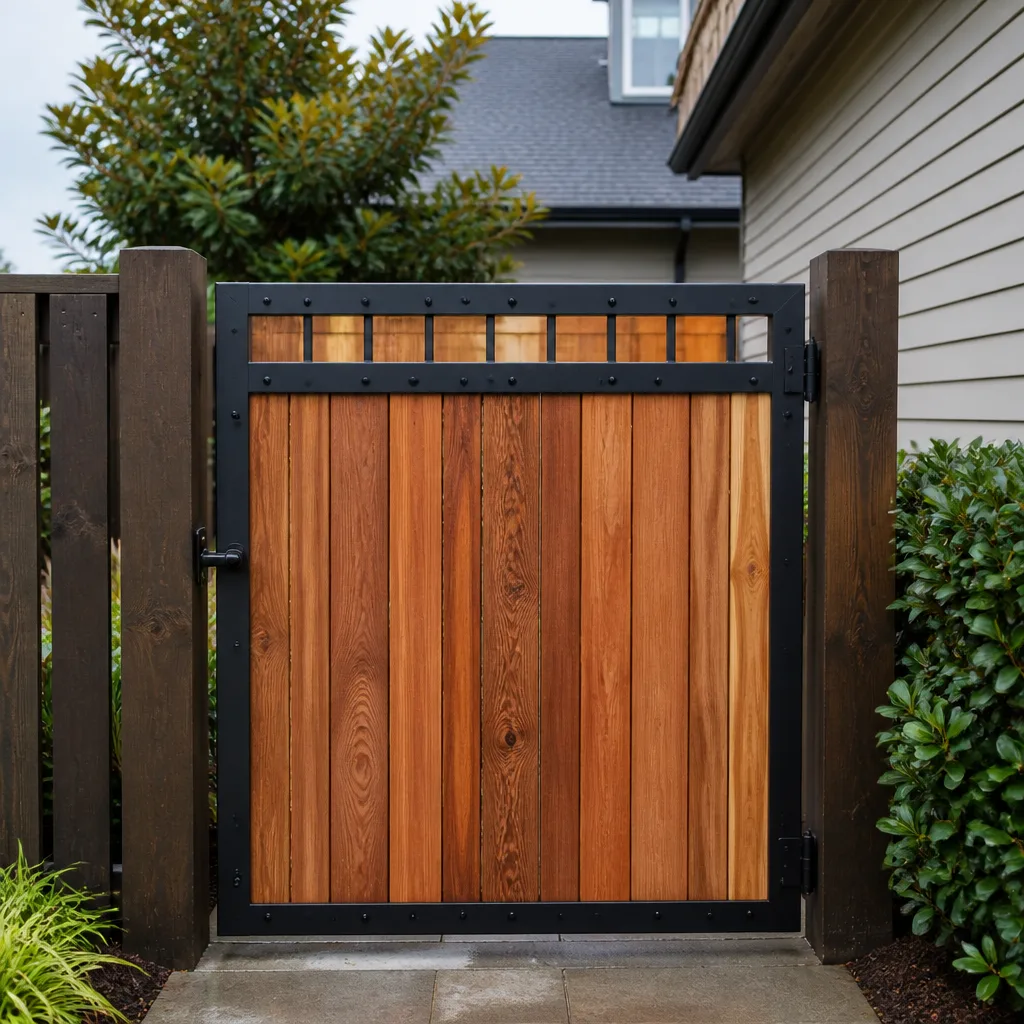 Wood & steel frame
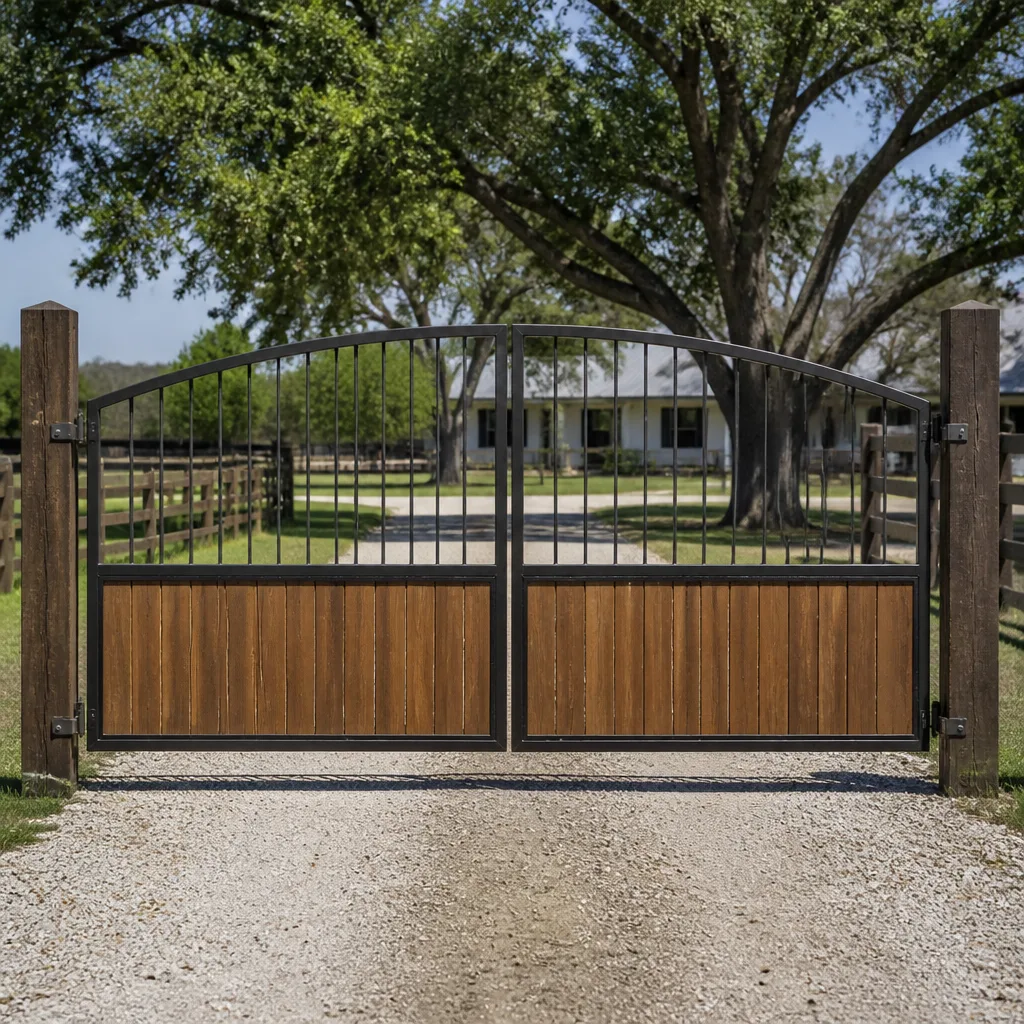 Farm & ranch
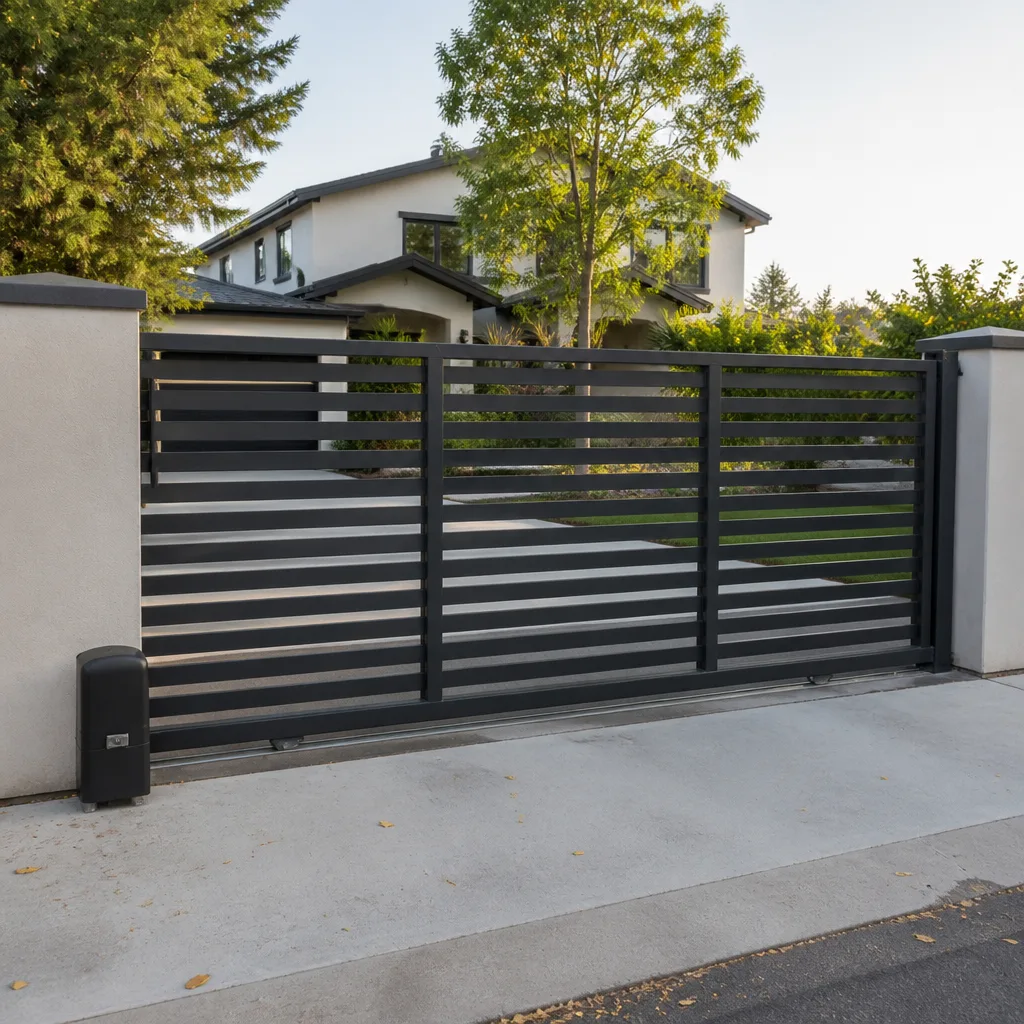 Sliding driveway gates
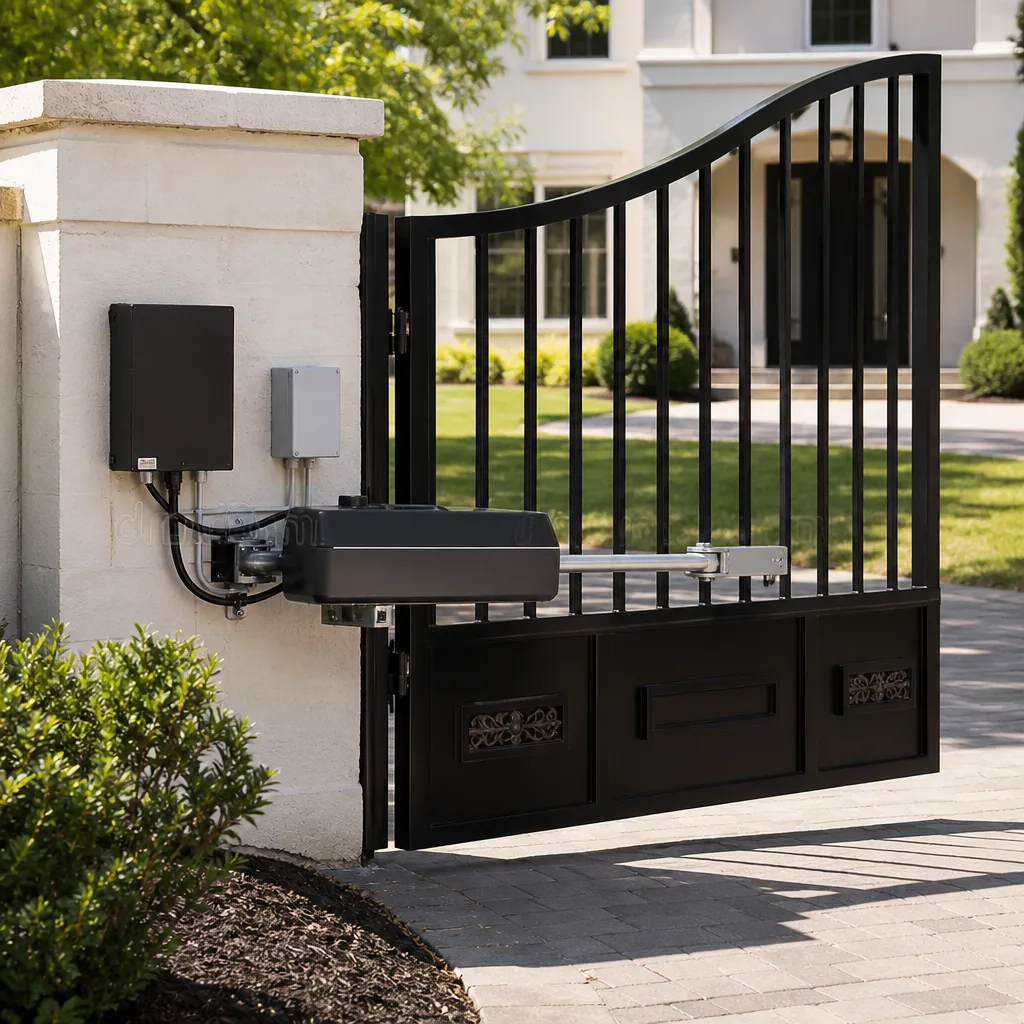 LiftMaster operators
Free on-site gate assessment - hinges, posts, and your LiftMaster or Nice gate operator checked before anything is quoted
The assessment is free and the quote is the invoice.
Get your free estimateSeasonal Gate Repair Care for Pasadena: Year-Round Homeowner’s Guide
Most gate care advice assumes four seasons. Pasadena doesn’t work that way. Scheduling a gate “winterization” for October misses the point: freeze risk here is minimal, but the storm damage from June through November may already be sitting in your hinges, anchors and operator housing before the first cool morning arrives. Pasadena’s gate year has two real stress periods, hurricane season and everything else, and the “everything else” still brings heat, humidity and unrelenting UV. This guide lays out a care calendar built around that reality, not the calendar on your wall. You’ll learn what to inspect and when, how heat and moisture attack different gate components, and when a problem has moved past homeowner territory and needs a specialist.
Quick Answer
Gate care in Pasadena should be structured around hurricane season (June through November) and the heat and UV load that runs the rest of the year. The core rhythm is a pre-season inspection in May, a post-storm check after any major wind or rain event, a summer heat watch on your operator’s circuit board and backup battery, and a fall pass for UV damage that let moisture into fasteners and welds. Skipping the May inspection and the post-storm check is where most costly gate repairs begin.
Styles & brands we work with
- Wrought iron
- Wood & steel frame
- Farm & ranch
- Sliding driveway gates
- LiftMaster operators
Table of Contents
- Why Pasadena Gate Care Follows Storms, Not Seasons
- The May Pre-Hurricane Season Checklist
- Post-Storm Inspection: What to Check Before Re-Energizing
- Summer Heat and Your Operator’s Circuit Board
- After a Rare Freeze: Why Waiting Beats Forcing
- Fall Inspection: UV Damage, Sealant and Fasteners
- The Cool-Season Window for Real Repairs
- The Year-Round Gate Care Calendar at a Glance
Why Pasadena Gate Care Follows Storms, Not Seasons
Generic gate maintenance schedules are written for places with hard winters, where freezing is the main threat to a gate and its operator. That schedule doesn’t fit Pasadena. What fits is a two-season model: hurricane season, June through November, and the warm, humid, high-UV remainder of the year. Both stress a gate, just in different ways.
During hurricane season, the threats are wind load, driving rain and debris impact. A gate is a large flat surface, and wind load on a solid panel at speed puts real force on every hinge, post anchor and operator arm. A storm doesn’t need a direct hit to do damage; even a strong tropical rain band can push water into places it doesn’t drain from quickly. Because Pasadena sits in a humid Gulf climate, that moisture lingers. It works on fasteners and welds and softens wood where it can’t evaporate.
Outside hurricane season, the threat changes character but doesn’t disappear. Sustained heat above 95°F stresses the electronics inside your operator, and UV degrades paint, sealant and plastic housings month after month. A gate that looks fine in March can have a control board running hot by August.
That’s why we structure care around events rather than dates. A pre-season inspection in May catches what the last storm season left behind. A post-storm check after any major wind or rain event catches fresh damage before it compounds. Between those, heat and UV get ongoing attention. This is the same event-driven rhythm our technicians work from on every gate repair call in Pasadena, and it’s the rhythm the rest of this guide follows.
The May Pre-Hurricane Season Checklist
May is the single most important month in the Pasadena gate year. It’s the window before hurricane season opens, when repairs are scheduled work rather than storm-response work. Here’s what a thorough pre-season inspection covers, in order.
- Wind load inspection. Walk both faces of each gate leaf. Look for loose pickets, panels or infill that could catch wind and turn into a sail. Any panel that flexes or rattles under hand pressure needs to be re-secured before a storm finds it.
- Hinge torque check. Test every hinge for play. A hinge that rocks in its mount, or a bolt that turns under light pressure, will only get looser once wind load is applied. Re-torquing hardware is quick now and expensive after a storm.
- Operator anchor verification. Check that the operator is still firmly anchored and the arm geometry hasn’t shifted. Ground movement, vibration and time can loosen anchors, and an operator that shifts under load strains the motor and the gate frame.
- Battery backup test. A backup battery that’s never tested is a battery you can’t count on. Cycle the operator on battery power and confirm it drives the gate through its full travel. If a storm knocks out power, that battery is the only thing keeping the gate operating.
- Drainage and clearance. Clear debris from the gate’s travel path and check that the ground where the gate meets doesn’t hold standing water. Flooded ground softens and shifts, and an operator running against a misaligned gate is a repair waiting to happen.
- Safety devices. Confirm that safety sensors and edge protection function before the season, because a storm-damaged sensor or a failed safety edge is a safety issue, not just an access issue.
This checklist is the reason May matters. Every hour spent on a pre-season inspection is an hour you don’t spend on emergency repair in August.
Post-Storm Inspection: What to Check Before Re-Energizing
After any major rain event or high-wind storm, resist the urge to jump straight to the remote. What you do in the first few minutes after a storm determines whether the gate’s next operating cycle protects it or finishes it off. Follow this order.
- Walk the gate manually first. Before you re-energize anything, disengage the operator and move the gate by hand through its full swing or slide. It should move smoothly and with normal resistance. If it binds, grinds or won’t complete the travel by hand, stop there; the problem is mechanical, and the operator shouldn’t be asked to force it.
- Check for debris and impact damage. Clear anything that’s blown into the gate’s path. Look at the gate leaf, hinges and posts for visible impact or bending. A bent leaf changes the load on every component, including the operator.
- Inspect the operator housing and wiring. Look for standing water, water stains or damage to the operator housing. Check exposed wiring runs for damage or dangling connections. Damaged wiring is an electrical hazard, and water inside the operator housing needs the power off until a trained technician has looked at it.
- Confirm the control board isn’t wet. If you can safely open the operator cover without touching live components, do a visual check for moisture inside. If you see any, keep the power off and call for service.
- Re-energize and test function. Only after the gate moves cleanly by hand and you’ve confirmed the operator and control board are dry and undamaged should you restore power and test the gate. Test the safety devices at the same time, not just the open and close function.
If anything feels off, stop and get an assessment. For anything involving the operator’s wiring, the control board or a gate that won’t move freely, electric gate repair from a specialist is the right call. Re-energizing a water-damaged operator is a common way minor storm damage becomes a full replacement.
Summer Heat and Your Operator’s Circuit Board
Two gate components suffer most from sustained heat above 95°F: the operator’s circuit board and any solar-charged backup system. Both are worth understanding before summer hits.
Why the circuit board is the weak point in summer
A control board generates its own heat as it runs. When the ambient temperature is already high and the operator housing sits in full sun, the board can’t shed that heat efficiently. The result is erratic behavior: a gate that stops partway, a remote that doesn’t respond reliably, or an operator that resets itself. These symptoms often look like something else entirely, which is why diagnosing them takes someone familiar with the system rather than someone guessing.
- Operators mounted where they catch full afternoon sun run hotter than a shaded installation, and shade makes a measurable difference in reliability.
- A hot board is more likely to trip protective limits, so intermittent stops in August often trace back to heat rather than a failed part.
- When a control board does fail in summer, the underlying cause is sometimes heat and sometimes a secondary component stressing the board. Replacing the board without diagnosing the cause risks repeating the failure.
Solar-charged backup systems
If your gate runs on a solar-charged battery backup, summer is where you’ll first see the signs of a battery losing capacity. Heat shortens battery life, and a battery that’s been through several hot Pasadena summers may no longer hold enough charge to ride out a power outage. Test the backup during the cooler part of the day and note how many cycles it delivers. A backup battery that’s clearly weakened going into hurricane season is the wrong battery to rely on.
What to check in high heat
- Run the gate and listen for a change in motor sound under load.
- Watch for intermittent stops or resets during the hottest part of the day.
- Check that the operator housing is clear of debris and has some air movement around it.
- If you have a backup battery, confirm it still drives the gate through a full cycle.
Never open the operator housing to troubleshoot electronics yourself. The control board and wiring carry line voltage, and a mistake there is genuinely dangerous. A trained technician can diagnose heat-related board problems quickly and safely.
After a Rare Freeze: Why Waiting Beats Forcing
Freezes in Pasadena are rare, but they happen, and how you handle the morning after one matters. If your gate or operator has frozen, the instinct to force the remote or manually pry the gate open is the wrong one. Forcing a frozen operator or gate can bend the operator arm, crack a component in the drive mechanism, strip a gear or damage the gate structure itself. A frozen gate that’s left alone through a thaw usually needs nothing; a forced one often needs repair.
- Disengage the operator and leave the gate alone. Don’t cycle it until conditions have warmed and any ice has melted.
- Check the operator housing for ice or water. Freezing temperatures combined with our typical humidity can put ice where it doesn’t belong. Keep the power off if you suspect moisture in the housing.
- Wait for a full thaw. Once temperatures are back to normal and ice is gone, walk the gate manually before re-energizing.
- Test the operator gently. Run a full cycle and check the safety devices. If the gate sounds different or hesitates, get it assessed before regular use resumes.
The gate needs no special cold-weather treatment in Pasadena; the rare freeze is a stop-and-wait event, not a maintenance project. That’s precisely why the October “winterization” advice you’ll find on most gate care sites doesn’t apply here.
Fall Inspection: UV Damage, Sealant and Fasteners
Fall is when the cost of summer shows up quietly. The most common thing we see in October and November isn’t a single dramatic failure, it’s the compound effect of a long, hot, humid summer on paint, sealant and metal.
Sun exposure degrades paint and sealant over the summer months. Once a sealant or coating fails, moisture from our humid air, or from a late-season rain event, can get into places it shouldn’t. That moisture then works on fasteners, welds and any wood components. Fall is the time to catch that chain reaction before it becomes structural.
What fall inspection covers
- Paint and coatings. Look for chalking, bubbling, peeling or bare spots, especially on top-facing surfaces that take the most sun. Touch up before humidity or rain has somewhere to get in.
- Sealant joints and seams. Check every joint for cracking or shrinkage. Sealant that’s failed should be replaced so it isn’t letting water track into fasteners.
- Fasteners. Look at hinge bolts, post anchors and gate hardware for rust, staining or loosening. Rust staining around a fastener usually means moisture has been sitting there.
- Welds and joints. Inspect weld points and structural joints for cracking or rust. This is also where a UV-degraded finish becomes a structural concern rather than cosmetic.
- Gate hardware and operator components. Check the operator arm and any exposed mechanical parts for wear and moisture staining, and confirm nothing was loosened by the summer’s storms.
Fall also happens to be the best season for major repair work in Pasadena. Cooler temperatures and lower storm risk make it a good window to schedule anything that’s been deferred, so the gate enters the next hurricane season in sound shape. If a fall inspection turns up problems you’d rather not tackle, that’s a good reason to schedule an on-site estimate before the next storm season starts.
The Cool-Season Window for Real Repairs
The cool months in Pasadena are quieter for gate emergencies, which makes them the right time to do the repairs that keep getting postponed. The heat is off the operator electronics, storm season is behind you, and a scheduled repair is always less costly and less stressful than a repair made under storm pressure.
The cool-season agenda is simple:
- Schedule any repairs flagged in the fall inspection, particularly fastener and weld issues and any paint or sealant work that protects the gate’s structure.
- Have the operator serviced, including the control board’s condition, and have any backup battery that tested weak replaced.
- Get an on-site estimate for upgrades or replacements you’re considering so the work is planned and budgeted, not forced on you by a failure.
Think of the cool season as your planning window. If you’re considering a new gate or a system upgrade, this is the time to measure, decide and schedule, because installation work is ordered and scheduled rather than done same-day. The same applies if you’re weighing a change to the gate’s access control setup, whether the existing system runs BFT, Linear, Viking or another brand. The work is planned around what you already have installed.
What you should not do in the cool season is assume the gate is fine because it’s quiet. A gate that’s been through a storm season and a hot summer often has issues that only show up under load or over time. Use the quiet months to find them.
The Year-Round Gate Care Calendar at a Glance
Here’s the whole year in one place. Print it, put it on the fridge, and check things off as you go.
- May (before hurricane season): Full pre-season inspection, including wind load, hinge torque, operator anchors, battery backup test, and drainage and safety devices.
- June through November (hurricane season): Post-storm inspection after every major rain or wind event, before re-energizing the operator. Keep the gate’s travel path clear.
- Summer, ongoing: Watch the operator for heat-related symptoms, check that the housing is shaded or clear, and test the backup battery’s capacity.
- After any rare freeze: Leave the gate alone until a full thaw, then test it gently before resuming regular use.
- October through November (fall): Inspect paint, coatings, sealant joints, fasteners and welds. Schedule flagged repairs before the cool season.
- December through April (cool season): Complete scheduled repairs, service the operator, replace a weak backup battery, and plan any upgrades or new installation.
Residential vs. commercial gates
The calendar is the same for a driveway gate and a commercial property gate, but the stakes differ. A commercial gate that fails costs you access and revenue, and gate systems on commercial properties often carry more cycles per day. In our experience, properties with high traffic benefit from checking the May checklist and the post-storm protocol more carefully, because wear accumulates faster. HOA-managed gates get the same benefit, since a shared gate failure affects every homeowner on the property. Whether you manage a home or a commercial property in Pasadena, the same event-driven rhythm applies.
Common Mistakes to Avoid
- Treating Pasadena like a four-season climate. Scheduling a fall “winterization” and skipping the May storm checklist leaves the gate exposed at the exact time of year it’s most likely to fail.
- Re-energizing a gate after a storm without checking it first. Water in the operator housing or a gate that binds by hand will only get worse once the motor is asked to drive it. Walk the gate manually and check for moisture before restoring power.
- Forcing a frozen gate or operator. The rare freeze is a wait-it-out event. Forcing the gate can bend the arm or damage the drive mechanism; waiting for the thaw costs nothing.
- Ignoring summer heat symptoms until they’re failures. An operator that stops partway on hot days is telling you something. Ignoring it until the board fails means a bigger repair and a bigger bill.
- Leaving UV damage unaddressed through the fall. Peeling paint and cracked sealant in October allow moisture into fasteners and welds, and that’s a structural problem waiting for the next rainy stretch.
- Skipping the backup battery test. A backup battery that’s never tested is a backup battery you can’t rely on when a storm cuts power. Test it in May and again in summer.
- Assuming the right technician will show up. A general handyman or a company whose main line is garage doors may not know the exact system on your property. Make sure whoever you call works on the brand you actually have installed.
See the difference
 Before
 After
 Before
 After
 Before
 After
When to Call a Professional
Some gate problems are worth a specialist’s eyes, and it’s worth knowing which ones. Call a professional when the gate won’t move freely by hand, when the operator behaves erratically or stops partway under load, or when you suspect water inside the operator housing or the control board. The same applies to anything involving the operator’s wiring; the wiring carries line voltage, and it isn’t a job for a homeowner. If a gate leaf, hinge or anchor shows visible damage or shifting, that’s also a professional assessment, because a weakened structure can fail under load. And if your gate is on an unfamiliar brand or has a control board or loop detector issue that’s been diagnosed and “fixed” without success, bring in someone who works on the actual system. Pasadena Gate Service offers free estimates in Pasadena, and our technicians have up to 15 years of experience with systems from BFT, Linear, Viking and others. Call (855) 772-8171 to set one up. We answer 24/7. Fast dispatch from 7am to 7pm, Sunday through Friday.
Frequently Asked Questions
Schedule it in May, before hurricane season opens in June. That gives you time to complete any repairs from the previous storm season and to fix wind load, hinge, anchor and battery issues before the first storm arrives. Call (855) 772-8171 for a free estimate.
No. Walk the gate manually first and check for debris, impact damage, water in the operator housing and wet wiring before you restore power. If the gate doesn’t move smoothly by hand or you find moisture in the operator, keep the power off and get it assessed. Call (855) 772-8171 and estimates are free.
Sustained heat above 95°F stresses the operator’s circuit board and any solar-charged backup battery. Watch for intermittent stops, resets or sluggish response on hot days, and test the backup battery before storm season. If those symptoms show up, get the system diagnosed. Estimates are free at (855) 772-8171.
No. Wait for a full thaw and then test the gate gently. Forcing a frozen gate or operator can bend the arm or damage the drive mechanism, while waiting costs nothing. If anything still feels wrong after the thaw, call (855) 772-8171 for a free estimate.
Yes. Year-round sundegrades paint, coatings and sealant, and once those fail, humidity and rain can get into fasteners, welds and wood. Inspect for peeling paint, cracked sealant and rust staining every fall. Call (855) 772-8171 if you find structural issues; estimates are free.
Yes, if they work across brands rather than pushing one. Our technicians are trained on systems from BFT, Linear, Viking and others, so diagnosis starts from what’s actually installed. For an exact quote on your system, call (855) 772-8171; estimates are free. We answer 24/7. Fast dispatch from 7am to 7pm, Sunday through Friday.
The Bottom Line
Pasadena gate care is event-driven, not calendar-driven. The two events that matter most are hurricane season and the long stretch of heat, UV and humidity that fills the rest of the year. Inspect in May before storm season, check the gate after every major rain or wind event before re-energizing it, watch the operator’s electronics and backup battery through summer, wait out a rare freeze instead of forcing it, and catch UV and sealant damage in the fall. Do those things and your gate stays functional through the year instead of failing at the worst possible moment. And when a problem moves past what you should handle, call a gate specialist. For a free estimate in Pasadena, call Pasadena Gate Service at (855) 772-8171. We answer 24/7. Fast dispatch from 7am to 7pm, Sunday through Friday. You can also read more about our service area on the Pasadena page.
Written by the team at Pasadena Gate Service.