
Last updated November 15, 2026
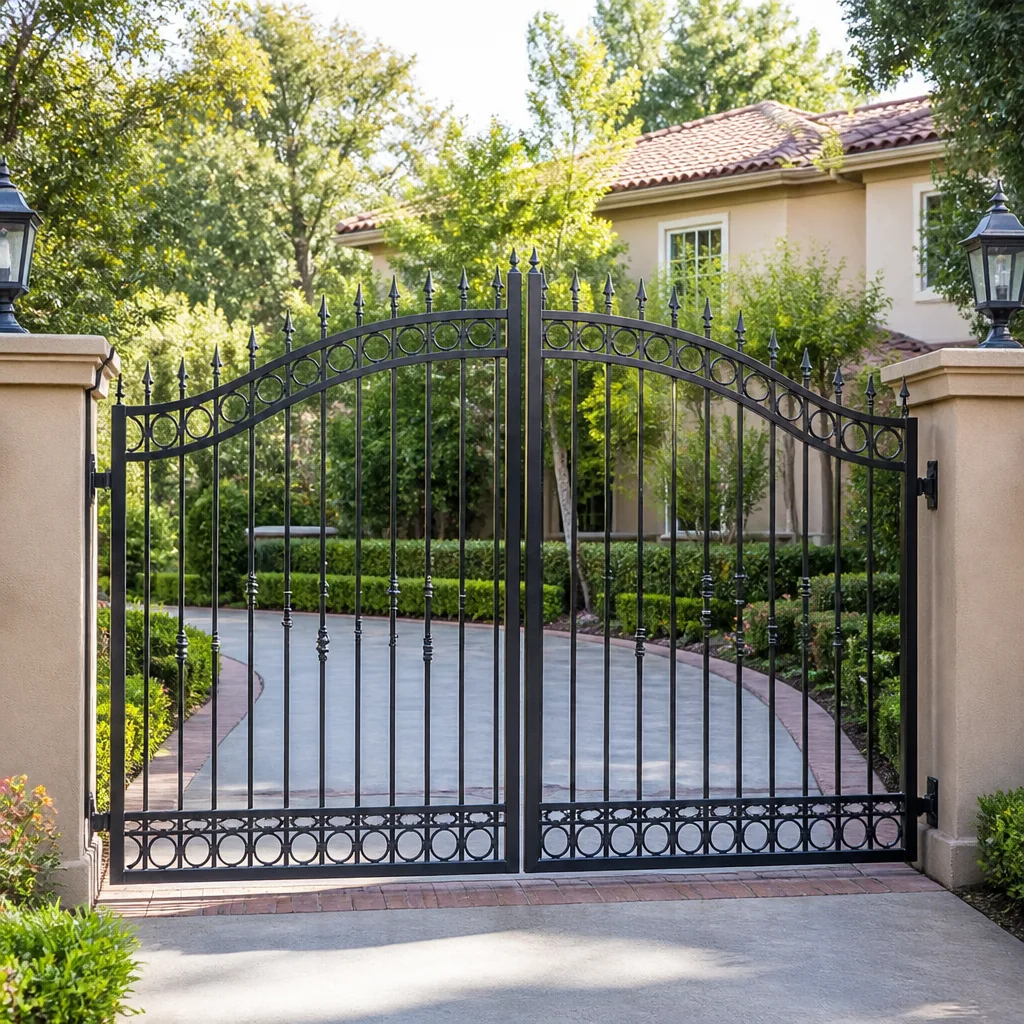 Wrought iron
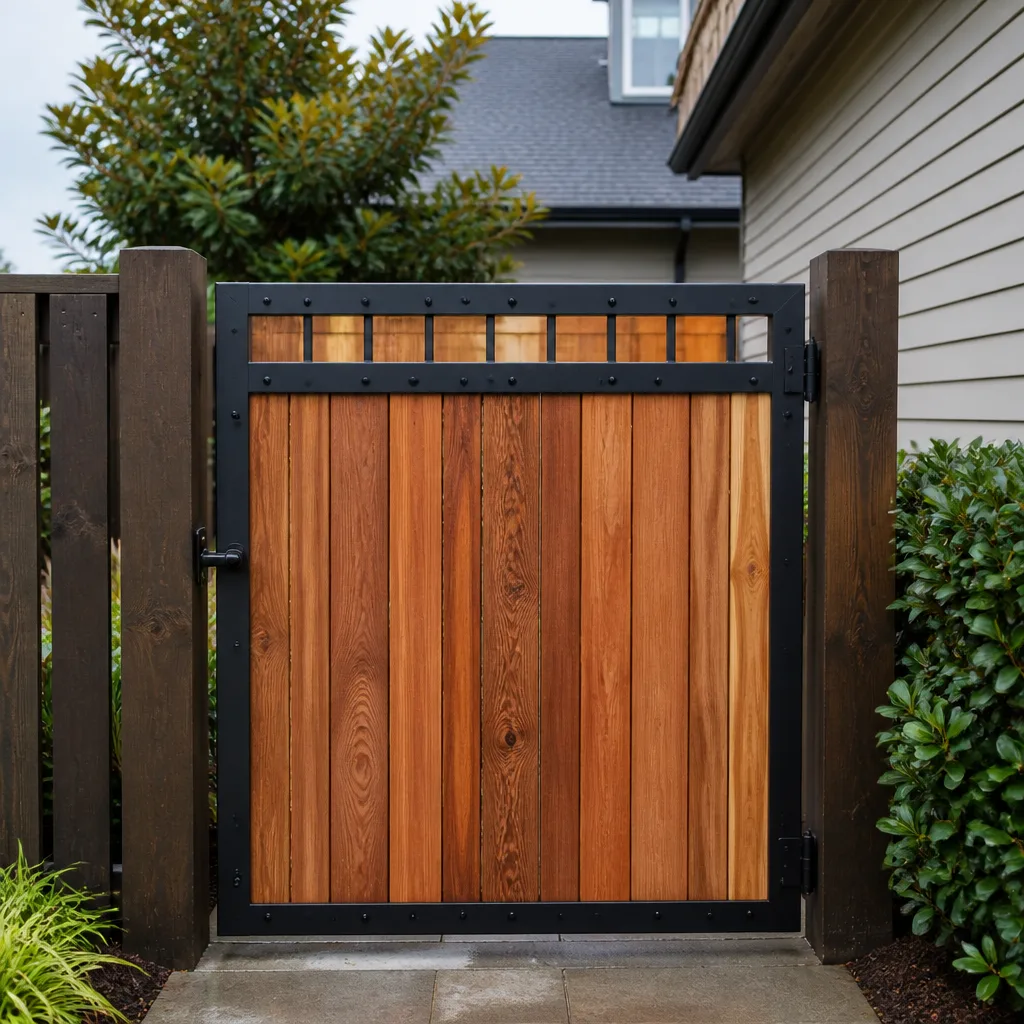 Wood & steel frame
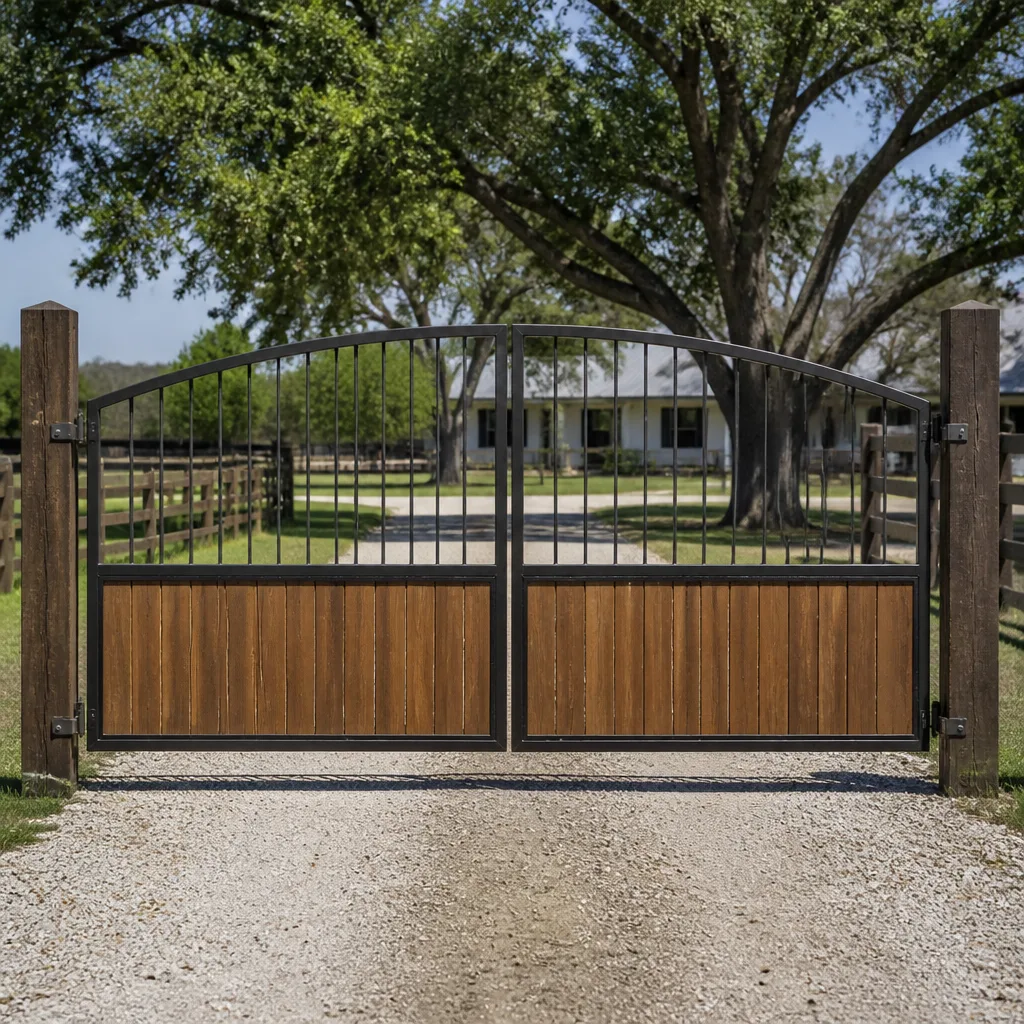 Farm & ranch
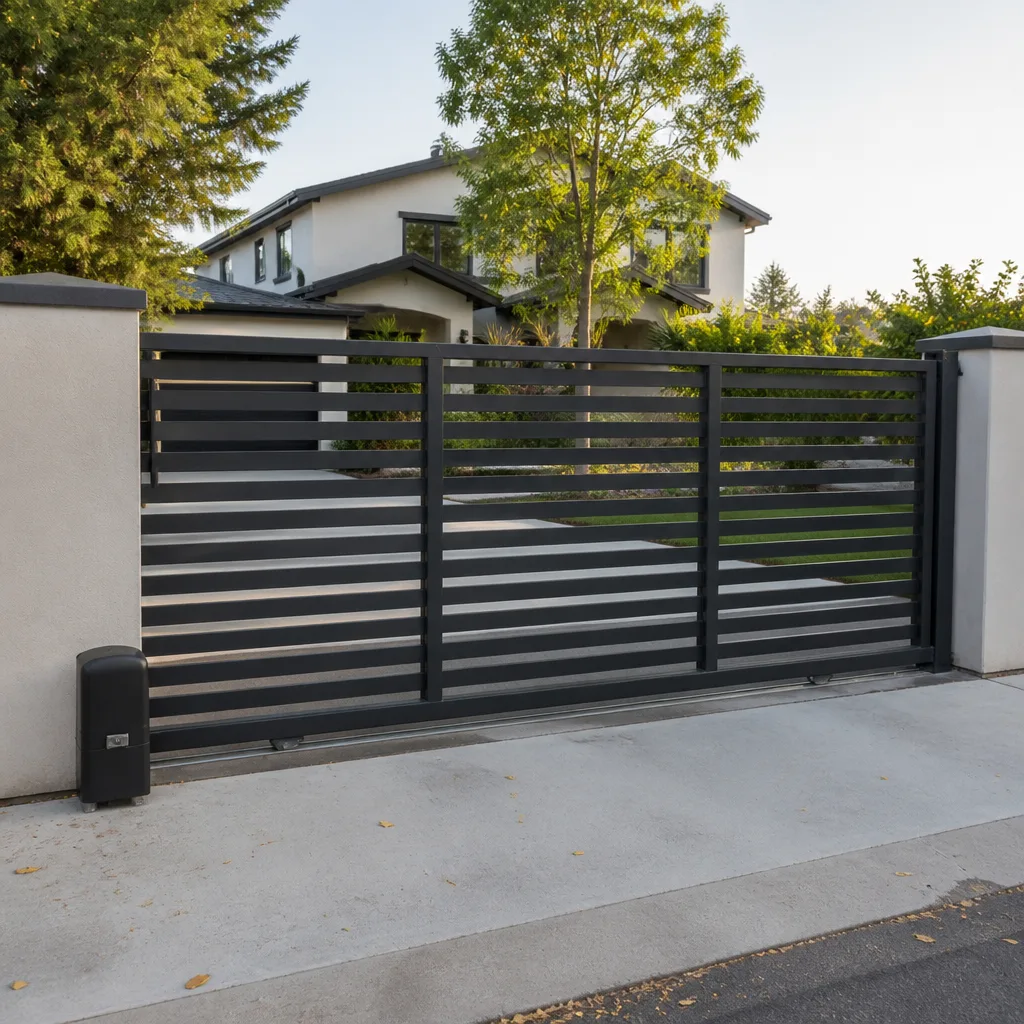 Sliding driveway gates
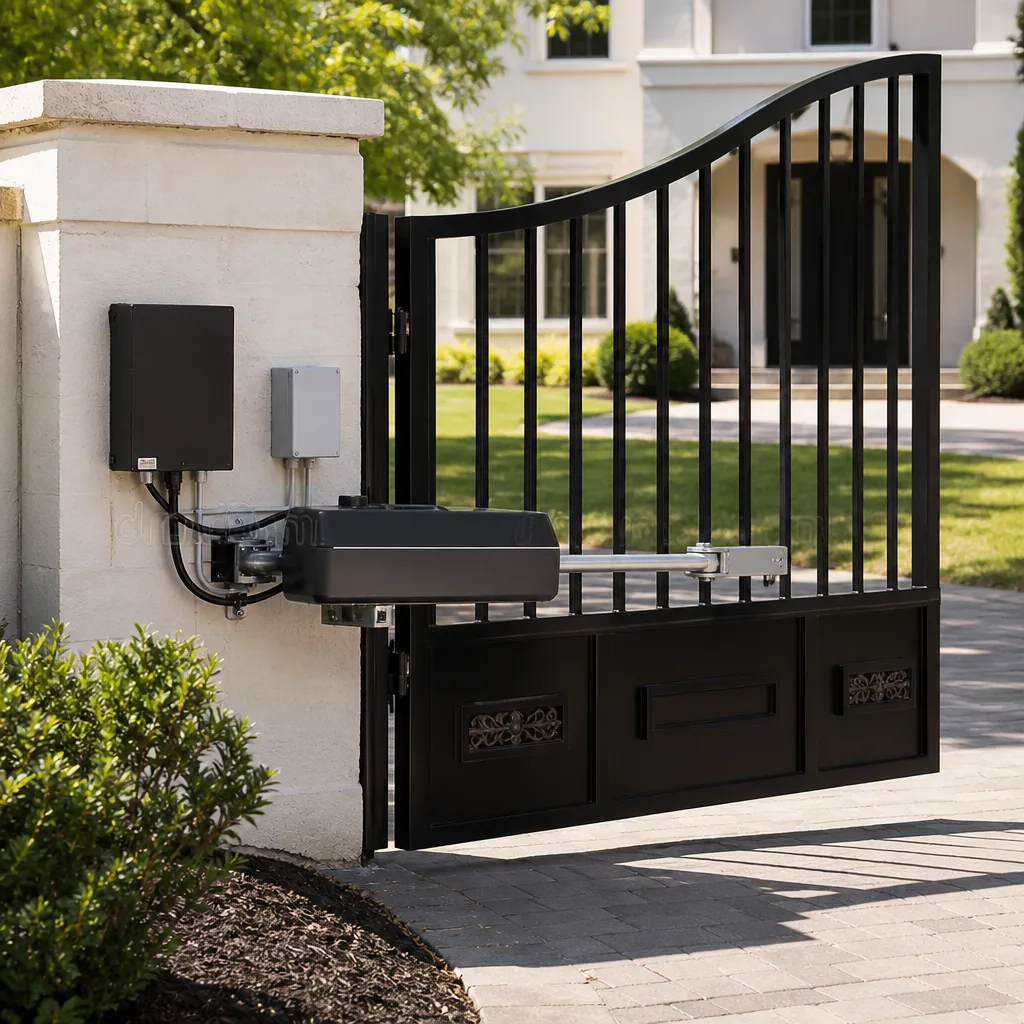 LiftMaster operators
Free on-site gate assessment - hinges, posts, and your LiftMaster or Nice gate operator checked before anything is quoted
The assessment is free and the quote is the invoice.
Get your free estimateChoosing the Right Gate Repair Brand: A Buyer’s Guide for Pasadena
The cheapest gate operator on the spec sheet becomes the most expensive one to own if no local technician stocks its control boards or supports its access control integration. Most buyers spend their time comparing motors, panels and price tags, then discover the real cost two or three years later, when a board fails and the replacement has to be ordered from out of state while the gate sits open and the driveway stays unsecured. Picking a brand is not a purchase decision. It’s a 10-to-15-year service commitment, and the brand you install decides what parts are available, how easy it is to find a technician who can program it, and what your repair bills will look like over that stretch. In this guide we’ll walk through the factors that matter after installation day, from duty cycle and parts stock in the greater Pasadena market to control board integration and how each manufacturer treats humid-environment installations.
Quick Answer
The best gate brand for repair and reliability in Pasadena is the one whose parts you can actually get locally and whose control board a trained technician can diagnose without a factory order. In practice, brands with strong distributor support in the Houston area – LiftMaster, DoorKing, FAAC, Elite and Linear among them – stay serviceable for years, while cheaper consumer-grade models often fail on parts availability before they fail on the motor itself. Match the operator to your real traffic volume first, confirm your technician can service it second, and treat price as the third question, not the first.
Styles & brands we work with
- Wrought iron
- Wood & steel frame
- Farm & ranch
- Sliding driveway gates
- LiftMaster operators
Table of Contents
- Why the Brand You Pick Decides Your Repair Bill
- Parts Availability in the Pasadena and Houston Market
- Duty Cycle: Matching the Operator to Real Usage
- Control Board Compatibility and Access Control Integration
- Corrosion and Moisture: How Brands Differ
- What “Brand Support” Actually Means in Practice
- The 15-Year Service Commitment: How to Evaluate It
- Common Mistakes to Avoid
Why the Brand You Pick Decides Your Repair Bill
A gate operator is a mechanical system with an electronic brain, and both halves wear out on a schedule. Motors, gearboxes and chain or arm linkages degrade with use. Control boards fail from power surges, moisture and heat. When that happens, the brand on the housing becomes the single biggest factor in what the repair costs and how long it takes. A widely supported brand means a technician can walk to a shelf, pull the part and get the gate moving. An orphan brand means weeks of waiting, repeated visits and sometimes a recommendation to replace an operator that had plenty of life left in it.
The reason this matters more than most homeowners expect is that a gate is not a standalone purchase. It sits at the entrance to your property and it has to keep working every day, for years, across every season Pasadena throws at it. That includes hot summers, sudden downpours and the occasional hard freeze that catches everyone off guard. When the gate stops midway or the operator starts beeping and refusing to move, you don’t want to be making phone calls to three different companies hoping one of them recognizes your brand.
We see this pattern constantly. A homeowner buys an operator online because the price looks right, has it installed by a general handyman, and then discovers over the next few years that the gate is a puzzle box that nobody in the area carries parts for. The cost of ownership ends up two, three, sometimes four times higher than if they’d chosen a mainstream, well-supported system from the start. If you want a repair decision made today rather than a replacement decision made in 18 months, that’s the trade you’re making.
- Widely supported brands: parts on the shelf, technicians who know the system, repairs completed in a single visit
- Orphan or direct-import brands: parts ordered from the manufacturer, longer downtime, higher labor per visit
- Consumer-grade brands sold direct: serviceable for light residential use, but limited local panel support
- Commercial-grade brands: more upfront cost, but built for the duty cycle and support depth that pays back over time
Parts Availability in the Pasadena and Houston Market
Local parts stock is the single biggest predictor of how fast a gate gets fixed. The greater Houston market is well served for gate operators, but only for brands that have a distributor footprint here. LiftMaster, DoorKing, FAAC, Linear, Elite, BFT and Viking all have distribution channels that reach Pasadena, which means a technician can typically pull control boards, motor assemblies, safety sensors and loop detectors from regional supply rather than waiting on a factory order. Ghost Controls and Mighty Mule are still serviceable, but their panel and accessory stock is thinner locally, so repairs that need a specific board can run a few days longer.
What actually breaks matters just as much as what brand you have. In our experience, control boards and safety sensors account for the majority of electric gate failures, followed by motor and gearbox wear and then loop detector problems. A gate system with a supported board and readily available sensors will get back online quickly. A gate system where the board is proprietary and only available from a single source will keep that gate sitting still for however long shipping takes. That difference is the whole argument for choosing a mainstream brand in the first place.
There’s a practical layer on top of this that’s easy to overlook. When a technician is on-site, the diagnosis is usually fast. The delay comes in sourcing the part. If they can call a Houston distributor and have it in a day, you’re back in business. If they have to send the board out for a rebuild, you’re looking at a much longer stretch. When you’re comparing operators, ask which regional distributors stock the brand’s service parts. That one question will save you more money over ten years than any feature comparison.
- Identify the board model before ordering anything. The housing tells you who made the operator, but the board itself is what fails and what has to be matched.
- Confirm local distributor stock for that board and for the safety sensors, loop detectors and remote receiver.
- Check technician access: can the local gate specialist program and calibrate the system, or does it require a factory call?
- Confirm warranty path: does the warranty get serviced locally or does the part have to ship out?
- Factor in time. A repair completed in a single visit is worth more than a marginal saving on the original purchase.
For a deeper look at what repairs actually involve on the ground in Pasadena, our gate repair page walks through the most common failure modes and what to expect when you call one in.
Duty Cycle: Matching the Operator to Real Usage
Duty cycle rating is the number that tells you how often a gate operator can cycle per hour, and it’s the factor most buyers ignore. An operator that’s rated for residential use is designed for somewhere in the range of a dozen cycles a day. Light commercial operators handle more, in the range of a few dozen cycles. High-traffic commercial systems – apartment complexes, gated communities, facilities with delivery and visitor flow – need operators built for hundreds of cycles a day. Put a residential-rated motor on a high-use driveway and it will fail early, no matter how good the brand is.
Pasadena has a mix of usage patterns that make this question more relevant than it might seem. A quiet residential street off Spencer Highway might see four or five cycles a day. An HOA near the Fairmont Parkway corridor might see several hundred. A commercial yard near the port has its own rhythm. Each of those needs a different operator, and choosing based on price alone almost always under-specs the high-traffic property and over-specs the quiet one.
Brand matters here too, because duty cycle influences how much manufacturer support you actually need downstream. High-traffic commercial operators wear components faster, and the brands with the strongest commercial support – DoorKing in particular for access control and high-use applications, LiftMaster for mixed residential and light commercial – are the ones that keep a busy gate running. Consumer brands like Mighty Mule are designed for light residential use and do that job well, but they aren’t the answer for a multi-tenant property. Matching the operator to the actual use case is the single most reliable way to avoid early failure.
- Residential: a dozen or fewer cycles a day. Light-duty operators from Ghost Controls, Mighty Mule, Linear and similar brands handle this well.
- Light commercial: a few dozen cycles a day. Elite, Viking, FAAC and mid-range LiftMaster operators fit here.
- High-traffic commercial: hundreds of cycles a day. DoorKing, heavy-duty LiftMaster and BFT commercial operators are the right tier.
- Mixed properties: weigh the busiest day, not the average. HOA gates and shared driveways sit closer to commercial rating.
Control Board Compatibility and Access Control Integration
The control board is where a gate stops being a mechanical device and becomes an access system, and it’s also where brand lock-in shows up most clearly. Some brands are open: they publish integration documentation, accept standard dry-contact inputs from third-party keypads, intercoms and telephone entry systems, and let a technician program new remotes and codes without a factory call. Others stay proprietary: the board only accepts the manufacturer’s own accessories, and any third-party integration has to run through a proprietary module.
DoorKing is the strongest example of a brand that’s built for integration. Their systems are designed to connect with telephone entry, video, card readers and building management, and the documentation to do it is publicly available. LiftMaster and FAAC both support standard dry-contact triggers, which means a keypad, a loop detector or a third-party intercom can be wired in without a decoder. Ghost Controls and Mighty Mule offer enough integration for residential use – a keypad, a safety loop and a remote receiver – but the ceiling is lower. If the property is a commercial site with multiple tenants or a managed-access requirement, that ceiling matters.
The question to ask before you commit to any brand is simple. If you want to add a new access method in two years – a license plate reader, a smartphone app, a tenant directory, a video intercom – will the existing board support it, or will you be replacing the board to add it? For anyone planning to manage access long-term, this is where a brand choice becomes a lot more than a purchase. It’s the difference between extending a system and rebuilding it. We work through these questions on every electric gate repair visit, and the answer often decides whether a repair is worth doing or a replacement makes more sense.
- Check the spec sheet for dry-contact inputs. That’s the minimum requirement for third-party access control integration.
- Ask about the manufacturer’s integration documentation. Public documentation means a technician can plan the integration up front.
- Confirm remote and keypad programming is field-accessible. Proprietary remotes and locked programming are a warning sign.
- Plan the access layer for the life of the install. Additions to consider: keypad, loop detector, intercom, video, card reader.
- Compare the future cost of adding an access layer against the current cost of a more open platform.
Corrosion and Moisture: How Brands Differ
Pasadena sits in a humid, subtropical climate. Summers are long and muggy, rain falls hard and often, and the air near the Gulf does what humid air does to unprotected metal. Brands differ in how much attention they pay to that. Enclosure ratings, board coatings, terminal materials and powder coating quality all contribute to how long an operator survives in this environment. A gate can look fine for a year, then fail on a corroded board contact in a way that looks like an electronic fault but traces straight back to moisture.
There’s no single brand that “wins” on corrosion across every model. What matters is the enclosure and the board treatment on the specific model you’re considering. LiftMaster and DoorKing commercial housings tend toward sealed enclosures with rated protection. FAAC and BFT use similar approaches on their outdoor-rated product lines. Consumer brands like Ghost Controls and Mighty Mule are built for typical outdoor residential exposure, which is fine as long as they’re installed with proper drainage and an enclosure that keeps standing water off the electronics. Where the operator is mounted matters as much as the brand – arms and slides on the sunny side of a driveway will run hotter than those under tree cover.
Installation detail makes a measurable difference here. A post set to proper footing depth, a housing mounted with a slight slope for drainage, and a sealed connection between the board and the field wiring will all buy extra years of life on the same brand of operator. If you’re comparing two brands and one has a better-sealed enclosure for your mounting location, that’s often more important than the price difference. Coastal claims don’t apply inland, but humidity does, and a humid climate is not a forgiving one for exposed electronics.
- Enclosure rating: match to the mounting location. Fully sealed housings outperform vented boxes on exposed driveways.
- Board coating: conformal coatings on the PCB slow corrosion on terminals and contacts.
- Terminal materials: stainless or tinned terminals resist moisture damage better than bare copper.
- Housing finish: powder coating quality on the enclosure decides how many years before rust shows.
- Installation detail: footing depth, drainage slope and sealed wiring all reduce water ingress.
What “Brand Support” Actually Means in Practice
Marketing pages use “brand support” to mean many things. In practice, the support a gate owner actually uses comes down to four items: firmware updates, technical support for the servicing technician, warranty handling and access to service documentation. Each of these varies widely by brand, and each has a real cost when it’s missing. A brand that won’t update firmware means a board that runs the same way forever, including any bugs. A brand with bad technician support means longer diagnosis times, more repeat visits and higher labor costs absorbed by the property owner.
On the residential side, Ghost Controls and Elite both run straightforward support operations that service technicians can reach. On the commercial side, DoorKing and LiftMaster have deep technical support and well-documented warranty processes that let a trained technician resolve issues on-site rather than replacing parts speculatively. FAAC and BFT are both supported by US distribution, with technical support for installers and a clear warranty path. Viking sits in the middle. Each of these brands lands somewhere different when you evaluate support in that practical sense, and the differences are worth understanding before you buy.
Warranty handling is where marketing claims and reality most often separate. A five-year warranty that requires shipping a board back and waiting weeks for a replacement is very different from the same warranty serviced locally by a technician who can swap the part in a single visit. When you’re evaluating a brand, ask what happens when something fails in year four. The answer tells you what the warranty is actually worth.
- Firmware: does the manufacturer publish updates and can a technician apply them on-site?
- Technical support: is there a phone or portal line for trained technicians, or does it route to a general helpline?
- Warranty: is the process local, or does the part have to ship out?
- Documentation: are installation and programming manuals publicly available, or held behind a dealer wall?
- Training: does the brand offer ongoing training for service technicians, or only initial installer certification?
The 15-Year Service Commitment: How to Evaluate It
Most gate operators are installed for a 10-to-15-year service life. During that span, the property owner will likely face a motor replacement, a control board replacement, at least one round of sensor work, possibly a keypad or access layer upgrade and regular mechanical adjustments. The brand you pick has to be serviceable across that entire arc. A brand that supports the initial install but has no part availability three years later is a poor long-term bet, even if it was a strong choice at the moment you bought it.
The way to evaluate this honestly is to look at the whole service path. That means asking which brands your local technician can actually service today, which ones they can service with parts on hand, and which ones have a track record of staying in production long enough for parts to remain available. Brands that have been in the market for a long time and that publish service documentation – LiftMaster, DoorKing, FAAC, Linear, Elite, BFT, Viking – have the staying power that matters. Ghost Controls and Mighty Mule are fine for their intended scale but need to be matched to a homeowner who understands their ceiling.
Pasadena Gate Service specializes in gate repair, electric gate repair and gate installation. Our technicians have up to 15 years of experience and work across LiftMaster, FAAC, BFT, Linear, Viking, Ghost Controls, DoorKing, Elite and Mighty Mule. That’s not a list to memorize. It’s the reason we can look at your existing operator and tell you whether the brand still supports what you need from it. If you’re making a brand choice or evaluating a system you already own, we can look at it with you and give you a straight answer. You can read more about how we approach local work on our Pasadena page.
Common Mistakes to Avoid
- Buying on price without checking local parts availability. The cheapest operator on the spec sheet is often the most expensive one to own, especially in a humid climate where electronics fail more often than the motor does.
- Under-specifying the duty cycle. A residential-rated operator installed on an HOA or multi-tenant gate will fail early, and no warranty will cover the labor cost of the replacement cycle.
- Choosing a brand with a proprietary control board when the property will need future access control integration. You’ll pay to replace the board the first time you want to add a keypad or intercom.
- Assuming any brand’s warranty will be serviced locally. Ask where the warranty work happens and how long it takes before you commit.
- Letting a general handyman install a gate operator. A gate is its own system. Small installation errors – wrong footing depth, drainage, wiring seal – show up as failures a year or two later.
- Accepting a replacement recommendation without a real diagnosis. Brand lock-in is a poor reason to replace a gate that a technician who knows the system could repair in a single visit.
- Skipping the manufacturer documentation question. If the installation, programming and service manuals are not publicly available, future service becomes harder for every technician who touches the gate.
See the difference
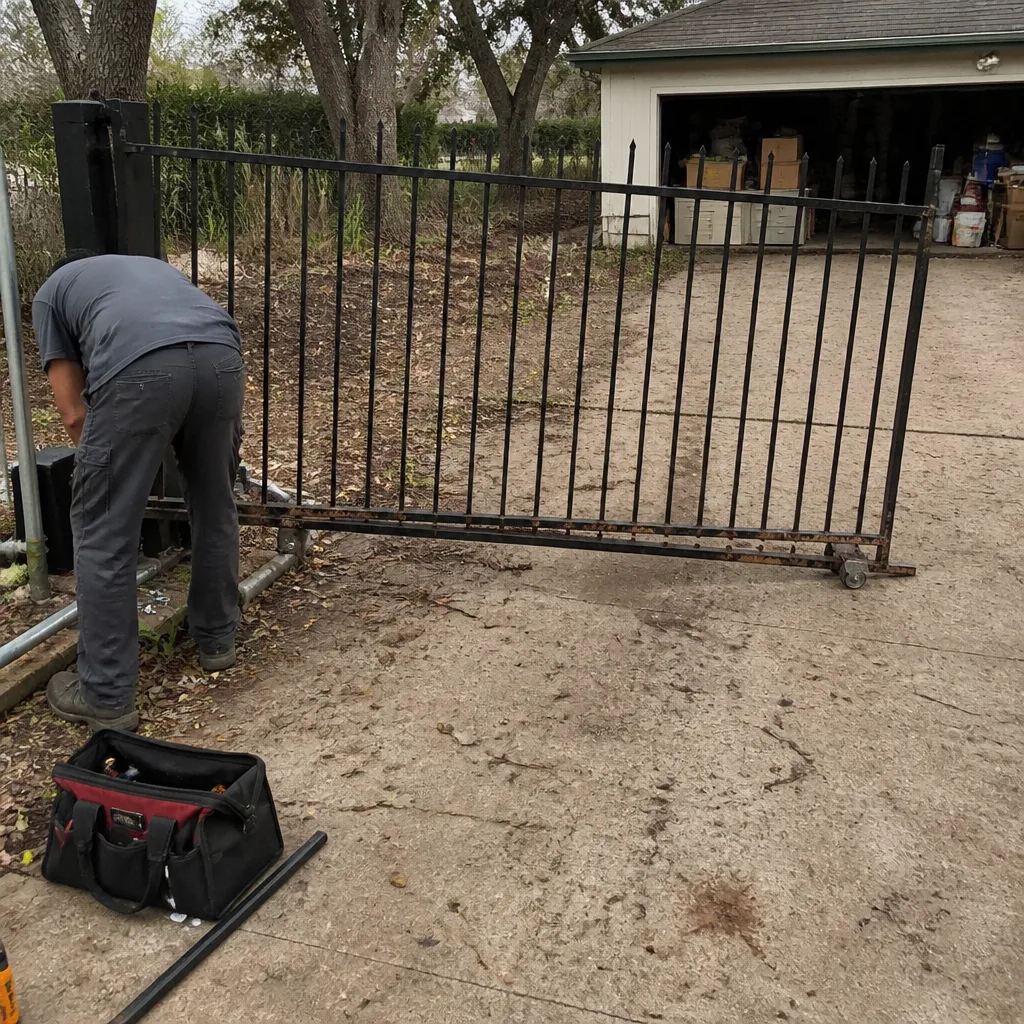 Before
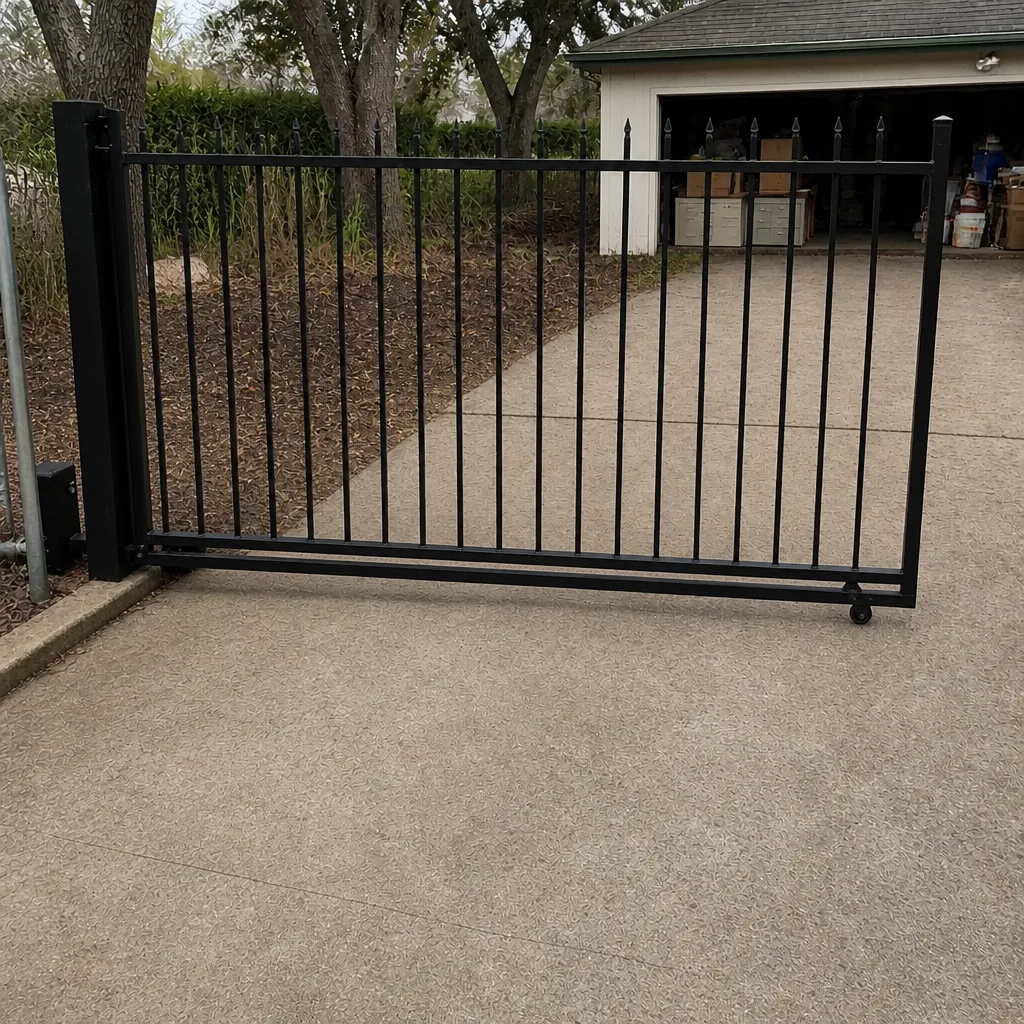 After
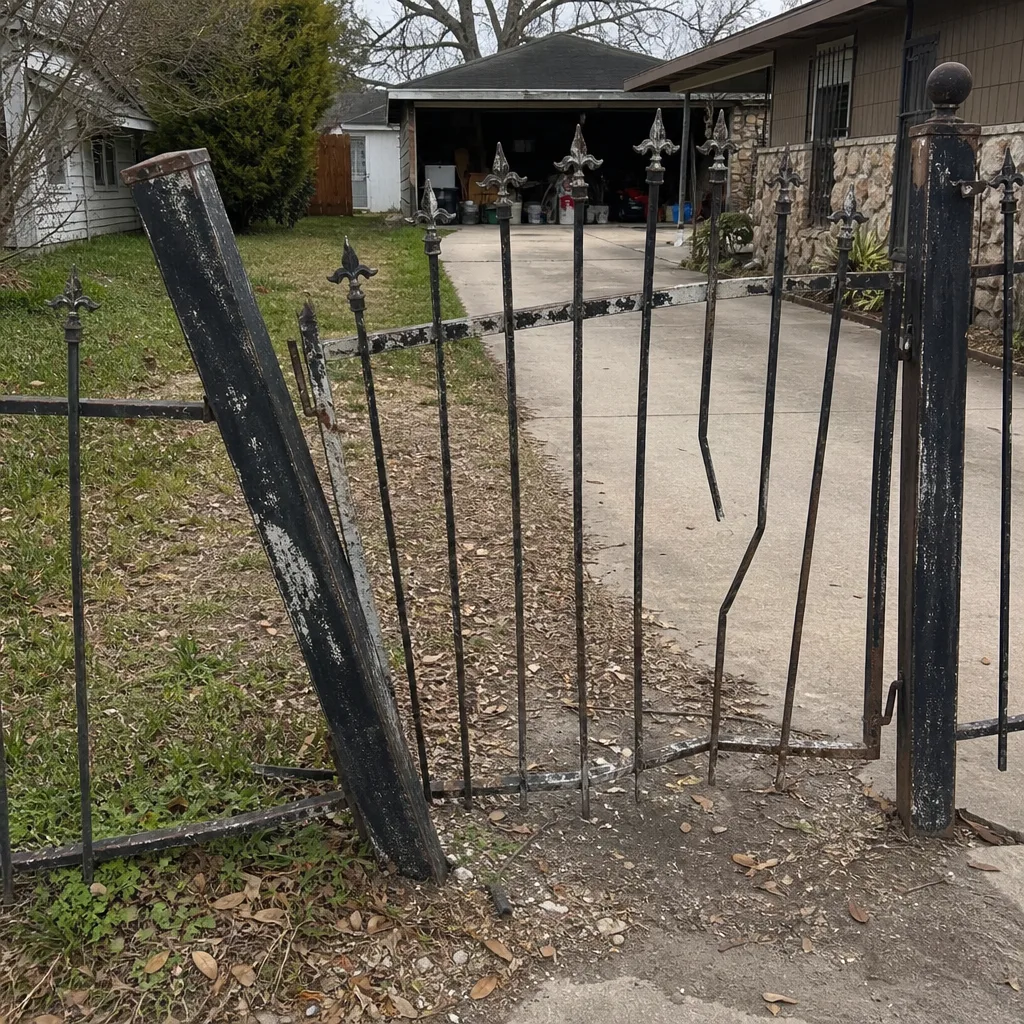 Before
 After
 Before
 After
When to Call a Professional
Some gate issues are safe to watch and wait on – a sticking remote, a slow-closing arm, a sensor that occasionally misses. Others are not. Call a professional when a gate reverses without cause, when the operator stops mid-travel and refuses to reset, when the safety sensor stops detecting an obstruction, when a board shows a fault code you don’t recognize, or when the gate has to be opened or closed by hand to get vehicles in or out. Electrical and wiring work on a gate – the power feed, the operator wiring, the safety sensor installation – should be handled by a trained technician. The gate itself is heavy, and a slide gate that comes off its track or a swing gate with a failed operator can cause serious injury.
If your gate is stuck, faulting, or behaving unpredictably, Pasadena Gate Service offers free estimates in Pasadena – call (855) 772-8171. We answer 24/7, with fast dispatch from 7am to 7pm, Sunday through Friday. We quote the price and agree it with you before any work starts. Our technicians have up to 15 years of experience working across the brands you’ll find on gates in Pasadena and the surrounding area, and our Pasadena Gate Service team can walk you through what a diagnosis looks like before anyone touches the system.
Frequently Asked Questions
The best gate brand for repair and reliability in Pasadena is one with local parts stock, a serviceable control board and a technician who can program it. LiftMaster, DoorKing, FAAC, Elite and Linear all have distribution support in the greater Houston area, and that translates into faster repairs and lower long-term cost. Consumer brands like Ghost Controls and Mighty Mule are fine for light residential use but have thinner local parts depth. Call (855) 772-8171 for an exact quote – estimates are free.
Gate repair in Pasadena is priced per job after a technician sees the gate. Boards, motors, sensors and access control accessories all have different parts costs, and installation accessibility changes the labor. We quote the price and agree it with you before any work starts, and the written estimate sets the final cost. Call (855) 772-8171 for an exact quote – estimates are free.
We work on your brand, whatever it is across LiftMaster, FAAC, BFT, Linear, Viking, Ghost Controls, DoorKing, Elite and Mighty Mule. Replacement is a last resort, not a default recommendation. When a repair is the right call, that’s what we’ll tell you. Call (855) 772-8171 for an exact quote – estimates are free.
Most gate operators are installed for a 10-to-15-year service life in a humid, subtropical climate like Pasadena’s, provided they’re matched to the correct duty cycle and installed with proper drainage and sealing. Electronics, boards and sensors usually need service before the motor does. Regular mechanical adjustment extends that range. Call (855) 772-8171 for an exact quote – estimates are free.
We can program new remotes and keypads on most major brands, including the nine we service. Some boards are factory-locked and require manufacturer-issued remotes; we’ll tell you before ordering anything. Call (855) 772-8171 for an exact quote – estimates are free.
We handle the full installation scope for gates we install, including operator wiring, safety sensors and access control integration. New installations are measured, ordered and scheduled; a written quote comes first. Call (855) 772-8171 for an exact quote – estimates are free.
The Bottom Line
The right gate brand for Pasadena is the one that stays serviceable for the life of the install, not the one that looks best on the spec sheet. Check local parts availability first, match duty cycle to your real traffic, confirm the control board supports the access control you’ll want in the future, and take the humid climate seriously when you choose an enclosure. Then verify that a trained technician can actually service the brand you’ve picked. That combination is what separates a gate that runs for fifteen years from one that becomes a slow, expensive replacement problem. If you want help working through the trade-offs for your specific gate, our team at Pasadena Gate Service is one call away. Whether you need gate repair, electric gate repair or a brand recommendation for a new installation, we’ll give you a straight answer and an upfront written quote. Call (855) 772-8171. We answer 24/7. Fast dispatch from 7am to 7pm, Sunday through Friday.
Written by the team at Pasadena Gate Service.