
Last updated November 15, 2026
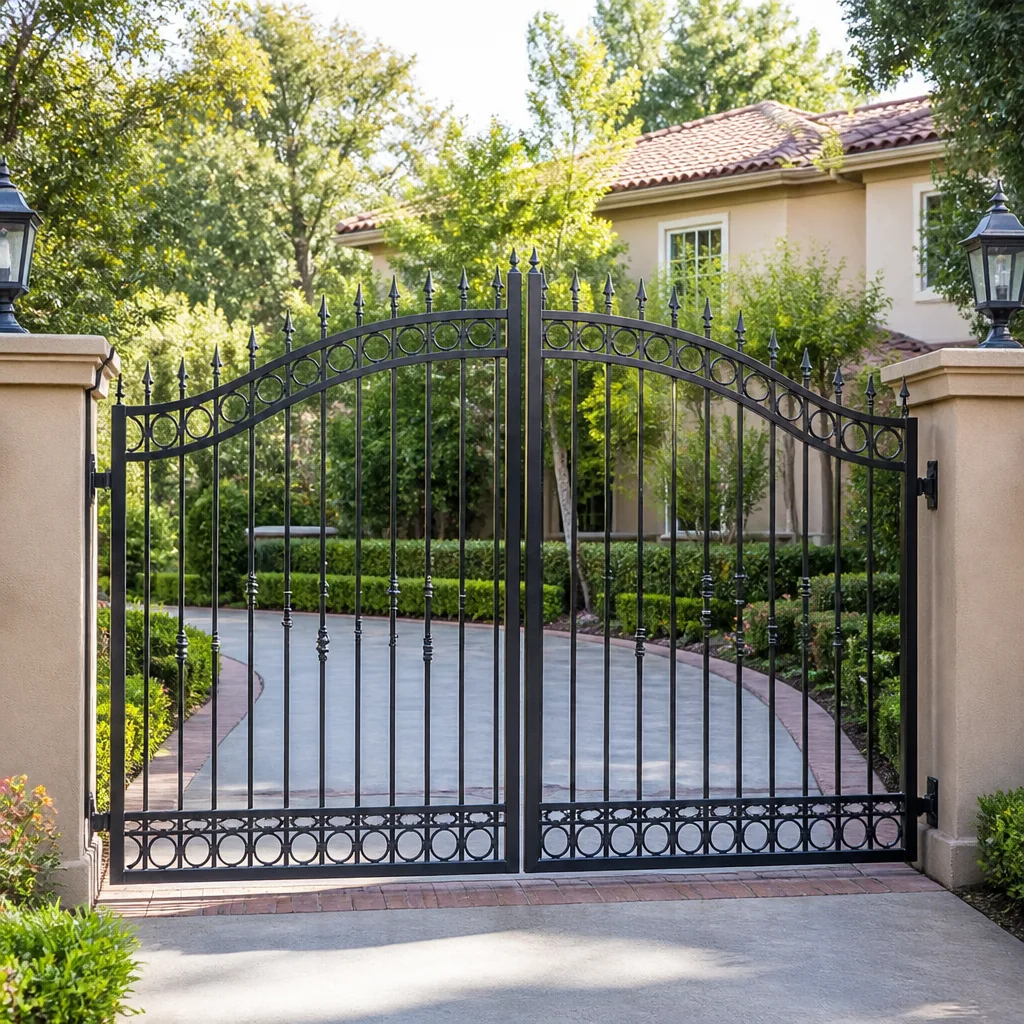 Wrought iron
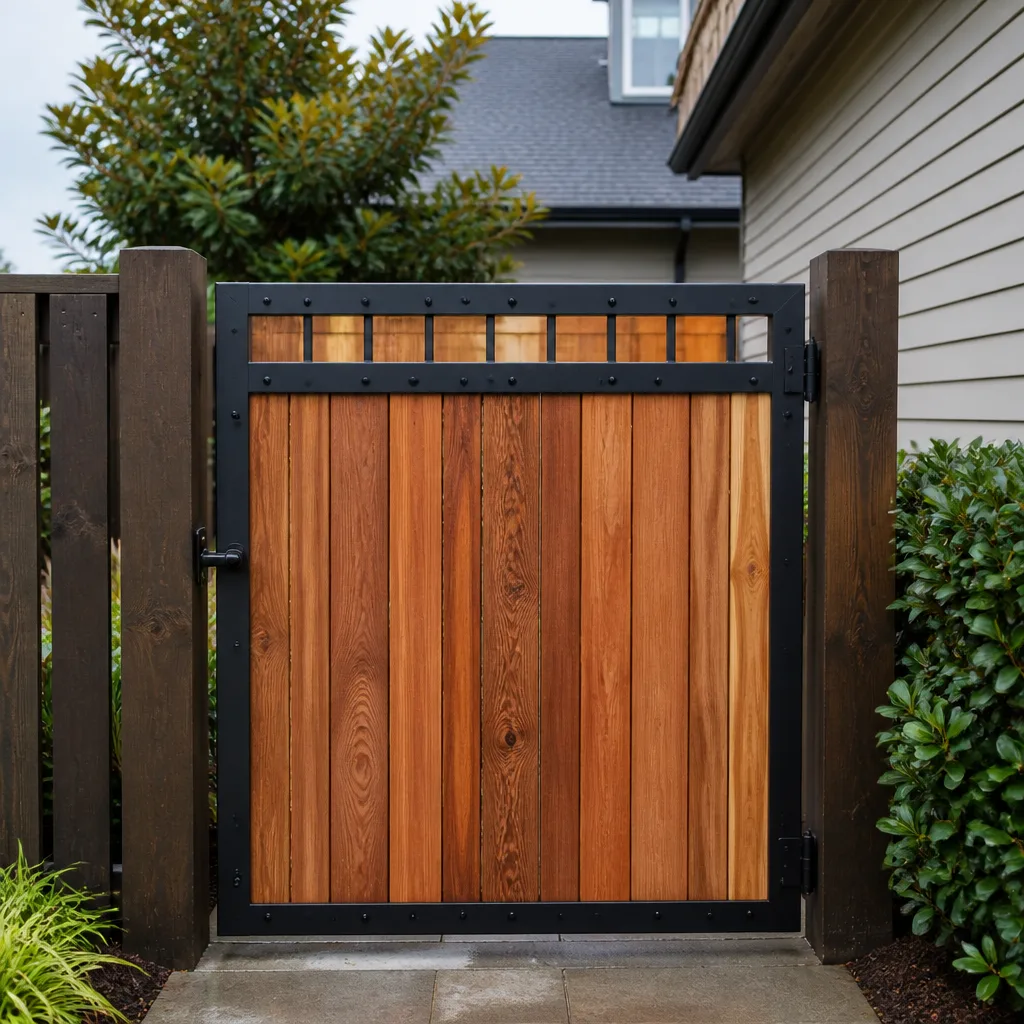 Wood & steel frame
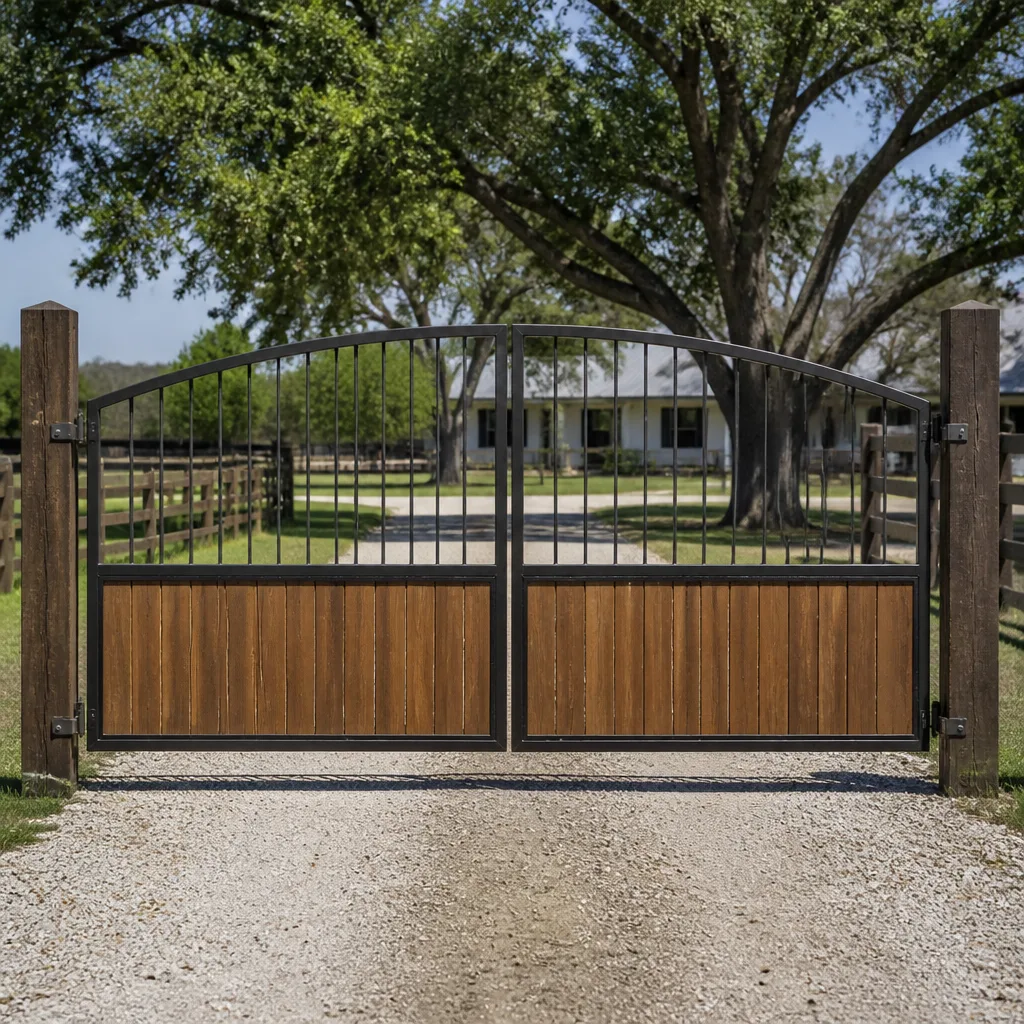 Farm & ranch
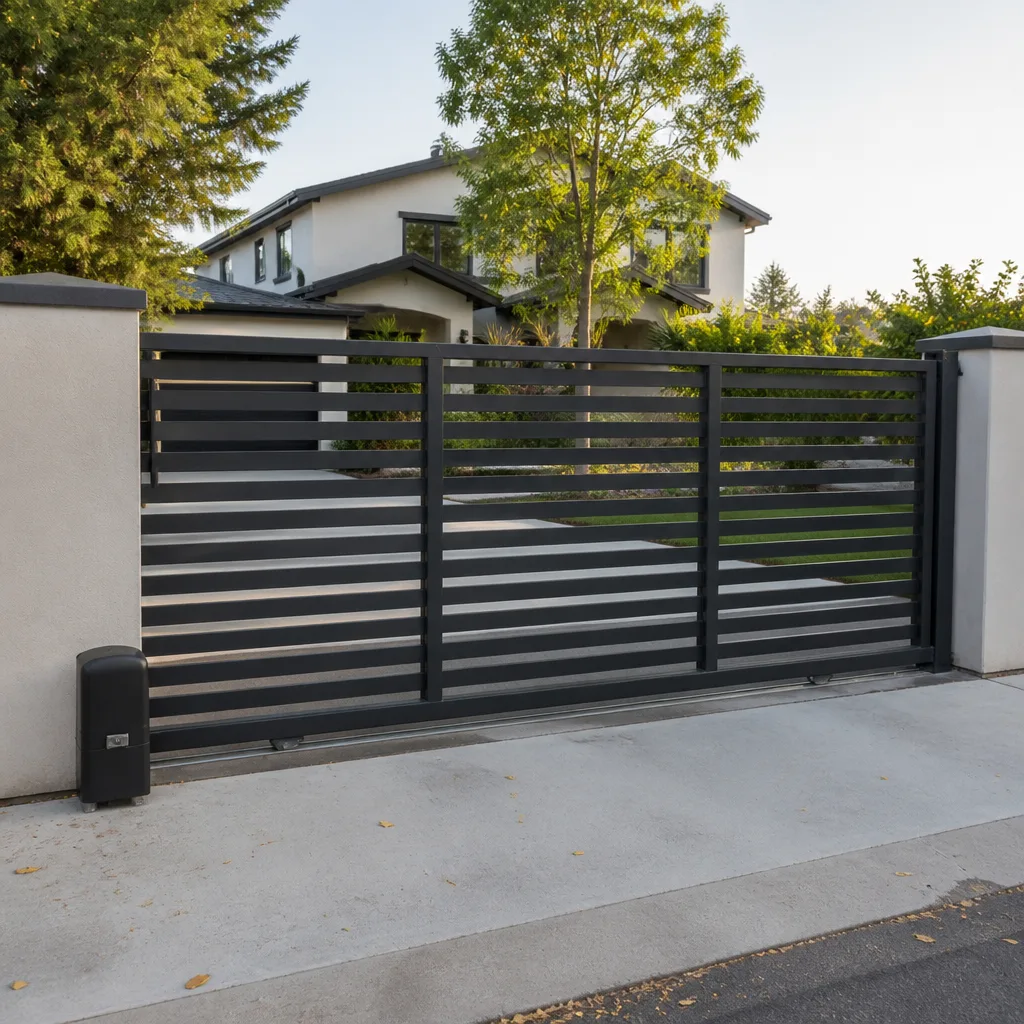 Sliding driveway gates
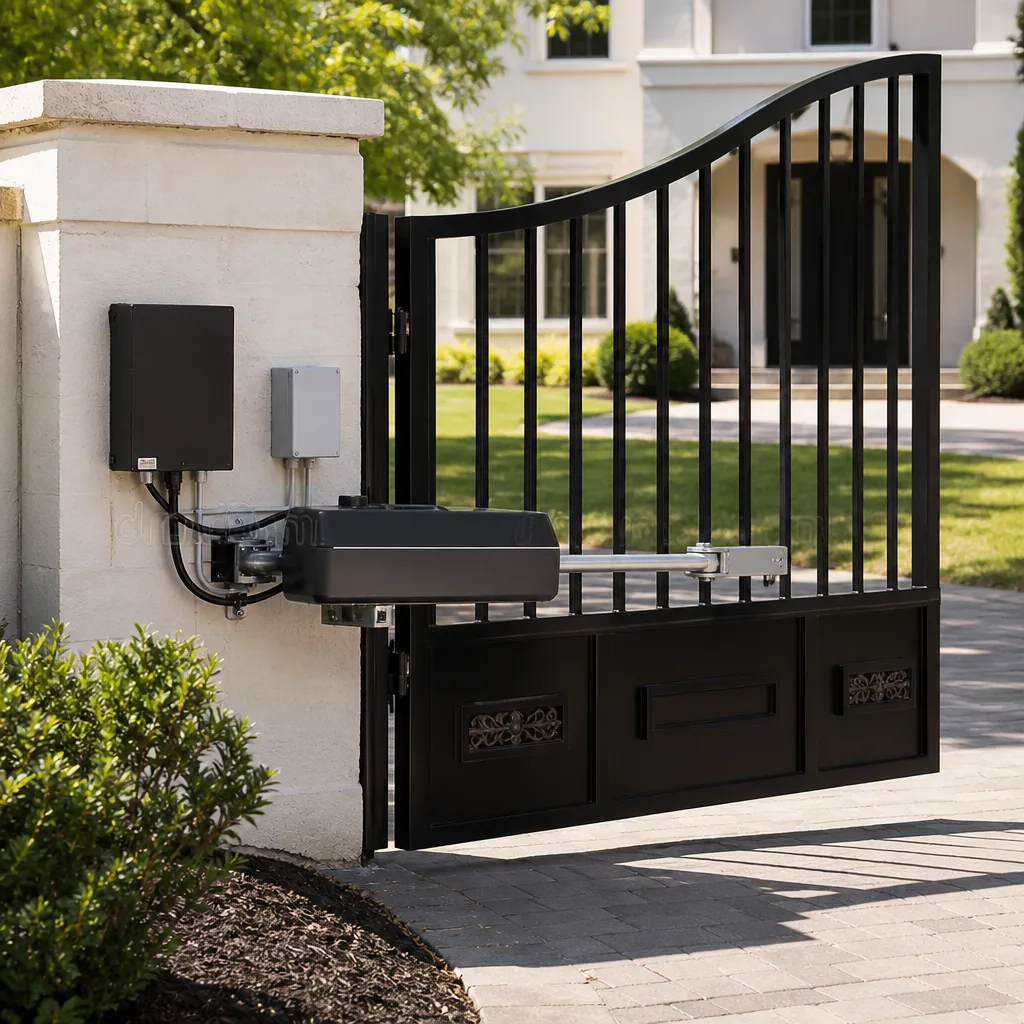 LiftMaster operators
Free on-site gate assessment - hinges, posts, and your LiftMaster or Nice gate operator checked before anything is quoted
The assessment is free and the quote is the invoice.
Get your free estimateGate Repair Permits, Codes & Inspections in Pasadena, TX: What You Need to Know
Here’s the part most homeowners get backwards: the gate repair that feels like a big deal, a motor that quits or a keypad that locks everyone out, usually needs no permit at all. The work that quietly does need one, a new electrified gate or a replaced structural post, is exactly the work people skip the paperwork on. If you sell your house and the buyer’s inspector finds an unpermitted motorized gate installation, it can delay or kill the closing. And “I didn’t know it needed one” is not a legal defense. This guide draws the line clearly for Pasadena homeowners, HOA managers, and commercial property owners: when you pull a permit, when you don’t, and how to check a job that’s already been done.
Quick Answer
In Pasadena, routine gate repair and part replacement, motors, control boards, loop detectors, keypads, and access systems, generally doesn’t require a building permit. New gate installations, structural post or footing replacement, and any work that changes the footprint or electrical service to a motorized gate usually does. The permit office that matters is the City of Pasadena’s building department, and the inspection you want at the end is the electrical and structural sign-off on the installed operator and mounting. When in doubt, one phone call to the city settles it before you spend a dollar.
Styles & brands we work with
- Wrought iron
- Wood & steel frame
- Farm & ranch
- Sliding driveway gates
- LiftMaster operators
Table of Contents
- Where repair ends and modification begins
- Permit-required vs. no-permit gate work
- HOA overlay rules that sit on top of city code
- UL 325 and your homeowner’s insurance
- How to verify a permitted gate job in Pasadena
- What to do about unpermitted work from a previous owner
- How Pasadena’s climate affects gate wear and inspection
- How to hire a gate specialist, not a generalist
Where Gate Repair Ends and Structural Modification Begins
The threshold that separates “no permit” from “permit required” isn’t the cost of the job or how long it takes. It’s whether you’re changing the structure or the electrical service. Swapping a failed control board on a LiftMaster or a Viking operator is maintenance. Cutting a new opening in a wall, pouring a new footing for a post, or running a new dedicated circuit out to a motorized gate is modification, and modification is what the city wants to see on paper.
We’ve seen this line blurred constantly, because a gate that’s fallen over looks like a repair to the person who owns it. If the post has to come out of the ground and go back in, you’re past repair. Think of it this way:
- Maintenance, no permit: replacing a motor, control board, remote receiver, loop detector, safety sensor, keypad, or photo-eye. Replacing hinges, rollers, or a gate arm. Adjusting an operator’s travel limits.
- Modification, usually a permit: a brand-new gate or operator where none existed, new footings, a post replaced in a load-bearing position, a new electrical circuit, or a change to the gate’s dimensions or swing path.
One rule of thumb keeps it simple: if the work touches the ground the posts sit in, or the wires the motor draws power from, call the City of Pasadena building department and ask. Their answer is the one that counts.
Permit-Required vs. No-Permit Gate Work
Here’s the split we walk customers through almost every week in Pasadena. Nothing on this list is a substitute for confirming with the city, but it’s a fair starting point for planning a job.
| Type of work | Permit typically needed? | Why |
|---|---|---|
| Motor, control board, or receiver replacement | No | Part swap, no structural or service change |
| Loop detector, safety sensor, or keypad repair | No | Accessory repair |
| New electric gate installation | Yes | New structure plus new electrical service |
| Structural post or footing replacement | Yes | Load-bearing structure |
| New dedicated circuit to a gate operator | Yes (electrical) | New service to equipment |
| Changing gate dimensions or swing path | Often | Altered structure and clearance |
| Cosmetic work, paint, minor hardware | No | No structural impact |
Two things surprise people most. First, the new installation is almost always the job that needs the permit, yet it’s frequently the one done “over a weekend” without one. Second, a footing replacement on an existing gate can need a permit even though the gate itself already existed, because you’re rebuilding the structure that holds it. When you’re planning a new installation, that paperwork is part of the job, not an obstacle to it. We quote the work and let you know which permits will apply so there are no surprises later.
HOA Overlay Rules That Sit on Top of City Code
Pasadena’s residential developments and subdivisions often layer HOA rules on top of city code, and the HOA is usually the stricter of the two. A gate that meets code can still violate your HOA’s architectural standards. That means two sets of approvals, and they don’t talk to each other.
What HOA gate rules commonly cover:
- Design and finish: approved materials, colors, and styles for gates and posts.
- Height and sightlines: maximum height, and clearance so the gate doesn’t block a neighbor’s view or the street.
- Automation and noise: restrictions on operator type and operating noise.
- Placement: setback from property lines and the street.
- Access control: requirements on keypads, call boxes, and how guests and emergency vehicles get in.
Before you order an operator or pour a footing, pull your HOA’s architectural guidelines and get written approval. An HOA can require you to remove a gate that doesn’t meet its rules even if the city has no objection, and that’s a cost no one budgets for. If you’re managing an HOA gate, both sets of rules apply to shared-entry systems too, so the approval trail matters for the whole association.
UL 325 and What a Non-Compliant Installation Means for Your Insurance
UL 325 is the safety standard that motorized gate operators are built and installed to. It’s the reason a proper operator has entrapment protection: the safety edges, photo-eyes, and obstruction sensing that stop the gate on contact or before it makes contact. This is the piece of a gate installation that homeowners and even some installers treat as optional, and it’s the piece that matters most when something goes wrong.
A compliant residential or commercial operator installation includes:
- Entrapment protection in the form of photo-eyes or a safety edge at the point of closing.
- A reversing or stop function the operator uses when the path is blocked.
- Proper placement so the safety devices actually cover the gate’s travel, not just the middle of it.
- Adequate warning signage at the gate so people know it’s automated.
Why this connects to your homeowner’s insurance: if an automated gate fails to protect someone because the safety devices were never installed or were bypassed, that’s a liability exposure on your property. Insurers ask about automated gates, and an installation that doesn’t meet the standard can complicate claims and coverage. We don’t write insurance, and we don’t tell you what your policy says, but installing an operator that meets UL 325 and keeping its safety devices working is the part you control. If your current gate hums along with no visible safety edge or photo-eye, that’s worth a look before you renew anything.
How to Verify a Permitted Gate Job in Pasadena
When a previous installer says the gate was permitted and inspected, you can check. Here’s the sequence that works for Pasadena properties.
- Ask for the permit number and who pulled it. The name on the permit should match the contractor or owner who did the work.
- Call the City of Pasadena building department and give them the address and permit number. They can tell you the permit’s status: open, finaled, or expired.
- Ask what inspections were required for your type of gate. Most permitted gate jobs include an electrical and a final inspection.
- Confirm the final inspection passed and get the date. “Finaled” is the status you want.
- Request the record in writing if it’s for a sale or an insurance matter, so you have it in hand.
An open permit on a gate installation is the one thing that can stall a closing, because it signals uncompleted work. A finaled permit with a passing inspection record is what a buyer’s agent, an inspector, and an insurer are looking for. Whether you’re buying in Pasadena or just want your own records straight, this takes a few phone calls and settles the question.
What to Do About Unpermitted Gate Work From a Previous Owner
You bought a house with a motorized gate, and nobody can produce a permit. That’s common, and the actual risk depends entirely on what kind of work was done without one.
Low risk: accessory or part-level work. A motor, receiver, keypad, or sensor swapped in without a permit is normal and generally fine. The gate doesn’t need a permit to operate, only to be built or electrically extended.
Moderate risk: an operator added to an existing gate. If the gate structure was already there and someone added a motor and a plug, the structural concern is minimal but the electrical one matters. Get an electrician or gate specialist to confirm the circuit is safe and dedicated, and check the safety devices meet UL 325.
Higher risk: a whole new gate, new footings, or new wiring. This is the work the city actually wants documented. If you own the property and there’s no permit, you can often still apply for one retrofit-style; the building department can tell you what they’ll need to sign off on it. If you’re selling, disclose it, and consider getting it permitted or getting a structural opinion before the buyer’s inspector flags it.
Options, roughly in order of effort: pull the records and confirm whether a permit exists, have a specialist inspect the installation and safety devices, and apply for a permit or a sign-off if the city requires it. The point isn’t to create panic. It’s that “we’ll deal with it at the sale” is the expensive version, and dealing with it now on your schedule is the cheaper one.
How Pasadena’s Climate Affects Gate Wear and Inspection
Pasadena’s weather shapes how gates age more than many homeowners realize. The heat and humidity do the structural work: metal expands and contracts through long hot summers, hinges and rollers seize from moisture, and wood and paint wear faster than in drier climates. None of this changes whether you need a permit, but it does affect when you need an inspection and repair.
What we walk through on a routine assessment:
- Post stability: the posts are the load-bearing part, and they’re the first thing to check. A leaning post is the signal that you may be in footing territory, not just a hardware fix.
- Hinge and roller wear: annual wear is faster here than in cooler climates, and seized hardware puts strain on the operator.
- Operator heat: an operator working overtime against a stiff gate runs hotter, and heat shortens motor and board life.
- Safety device function: photo-eyes and safety edges need to be tested, because they’re the pieces that fail silently.
If you live near a flood-prone part of Pasadena, security gates and their footings are more exposed to standing water, which is an argument for checking the posts and the electrical after a heavy season. The climate answer isn’t a permit answer. It’s a “check sooner” answer, and a routine visit is cheaper than a collapsed post.
How to Hire a Gate Specialist, Not a Generalist
Most gate problems come down to diagnosis, and diagnosis comes down to whether the person in front of you knows the system. A general handyman or a multi-trade company may be able to bolt a part on, but an electric gate has its own logic: an operator, its control board, its loop detectors, and its access system all have to talk to each other, and a failure in one can look like a failure in another. That’s where a specialist earns the call.
What to check when you hire for gate work in Pasadena:
- Brand familiarity: ask whether they work on your operator’s brand, not just gates generally. We service nine major brands, including Viking, Ghost Controls, DoorKing, and Elite, and our technicians have up to 15 years of experience across them.
- Electrical capability: electric gate repair is its own skill. Ask who diagnoses motor, control board, loop detector, and access failures.
- No upsell instinct: a specialist services the system you have. Be wary of anyone who opens with a replacement before an inspection.
- Lifecycle coverage: whoever installs your gate should also be able to repair it years later, so you’re not starting over with a new vendor.
- Permit awareness: a good gate contractor knows when a permit applies and will tell you, not leave it for the city to find.
On a new installation, expect a measured plan and a written quote rather than a same-day push. Installation is scheduled work. Repair is the urgent part, and that’s where fast response helps. Both are the same trade, and a gate specialist handles both without referring you out.
Common Mistakes to Avoid
- Skipping the permit on a new installation. It’s the most common gap, and it’s the one that surfaces during a sale. Ask the City of Pasadena before the first footing is poured, not after.
- Assuming the HOA and the city agree. They don’t always, and the HOA is often the stricter one. Get both approvals in writing before you order anything.
- Treating the safety devices as optional. Photo-eyes and safety edges are part of a UL 325-compliant install, not accessories. A gate that works without them is a liability, not a solution.
- Replacing the whole operator because the gate is stiff. A seized hinge or a worn roller loads the motor and mimics a motor failure. Inspect the structure before assuming the electronics are the problem.
- Hiring a multi-trade company for an electric gate. A generalist may not know the brand, the control board, or the loop logic, and you pay for the guessing.
- Buying a house with an unpermitted gate and doing nothing. Get the permit records at inspection, while you still have leverage. The alternative is owning the fix.
- Ignoring a leaning post. In Pasadena’s heat and humidity, a leaning post is often the first sign the footing is going, and it’s cheaper to catch early.
See the difference
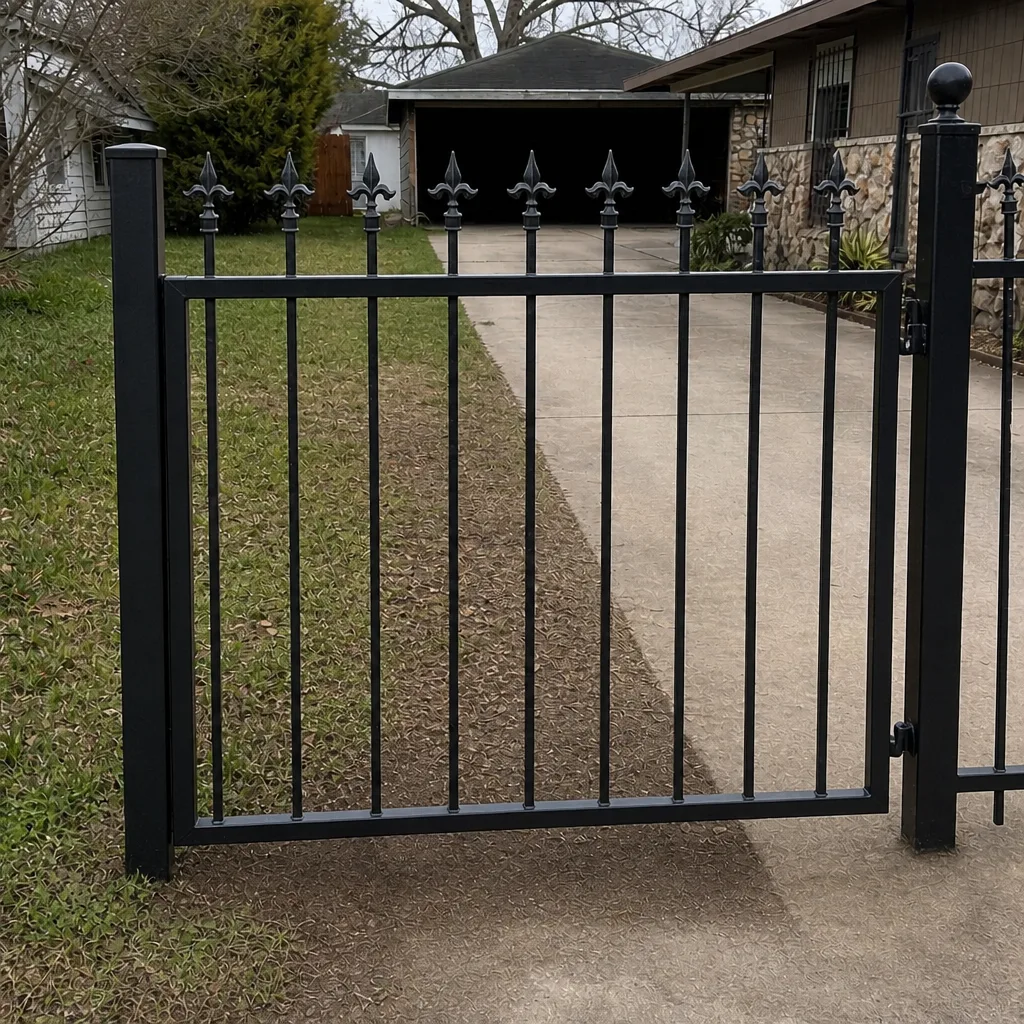
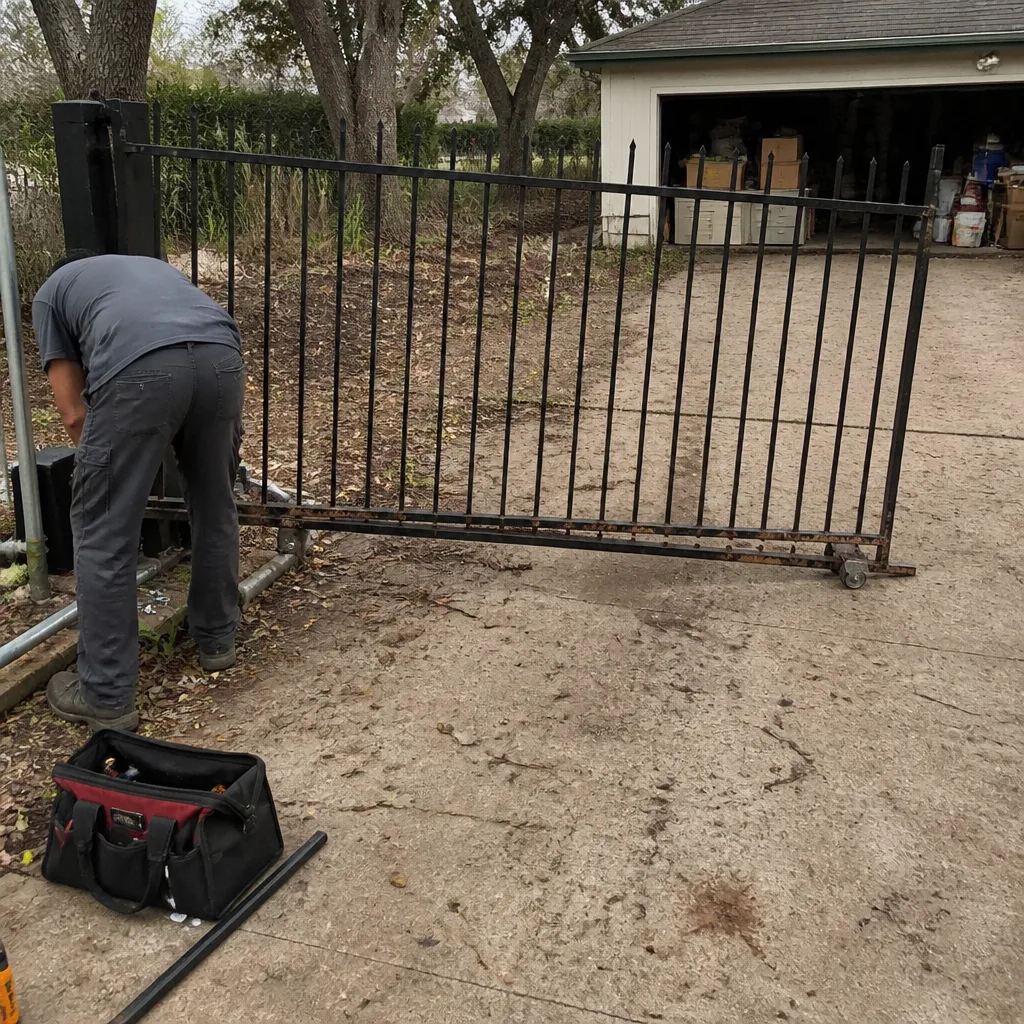 Before
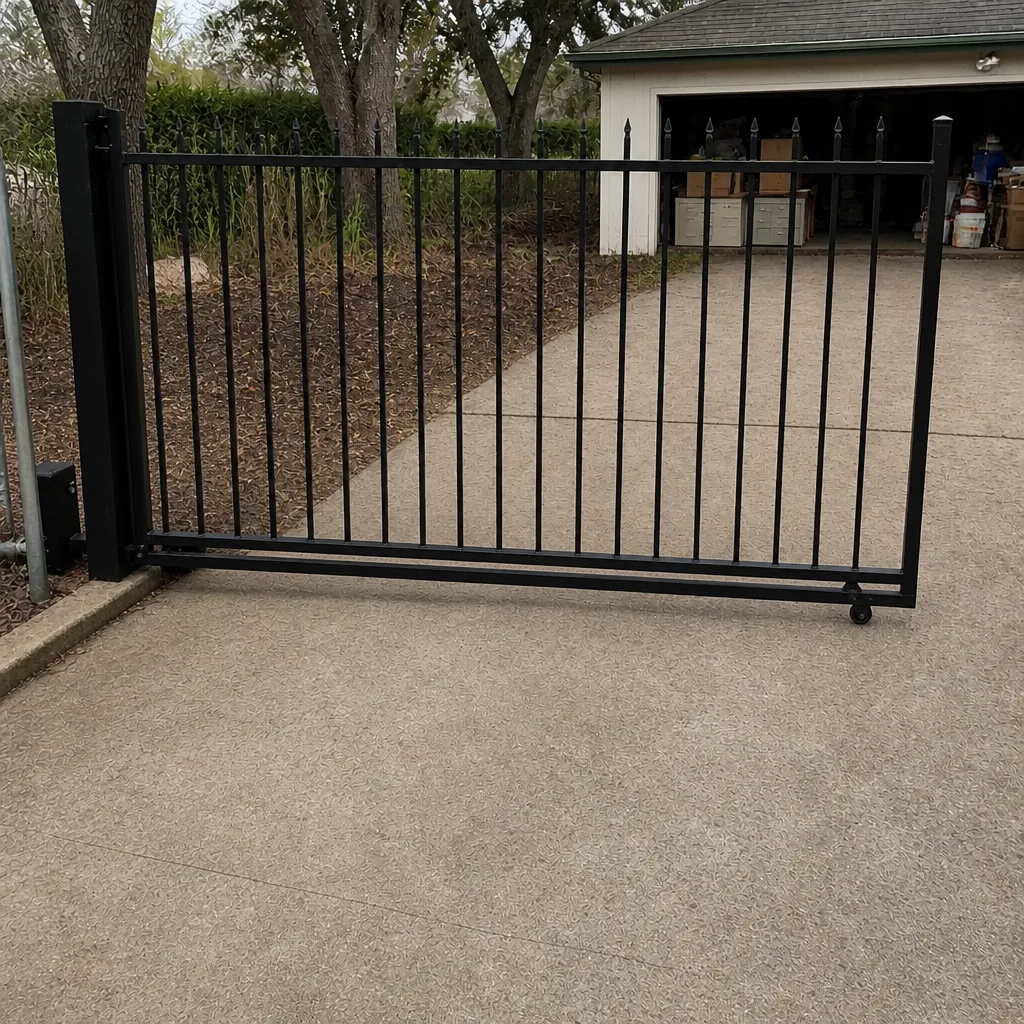 After
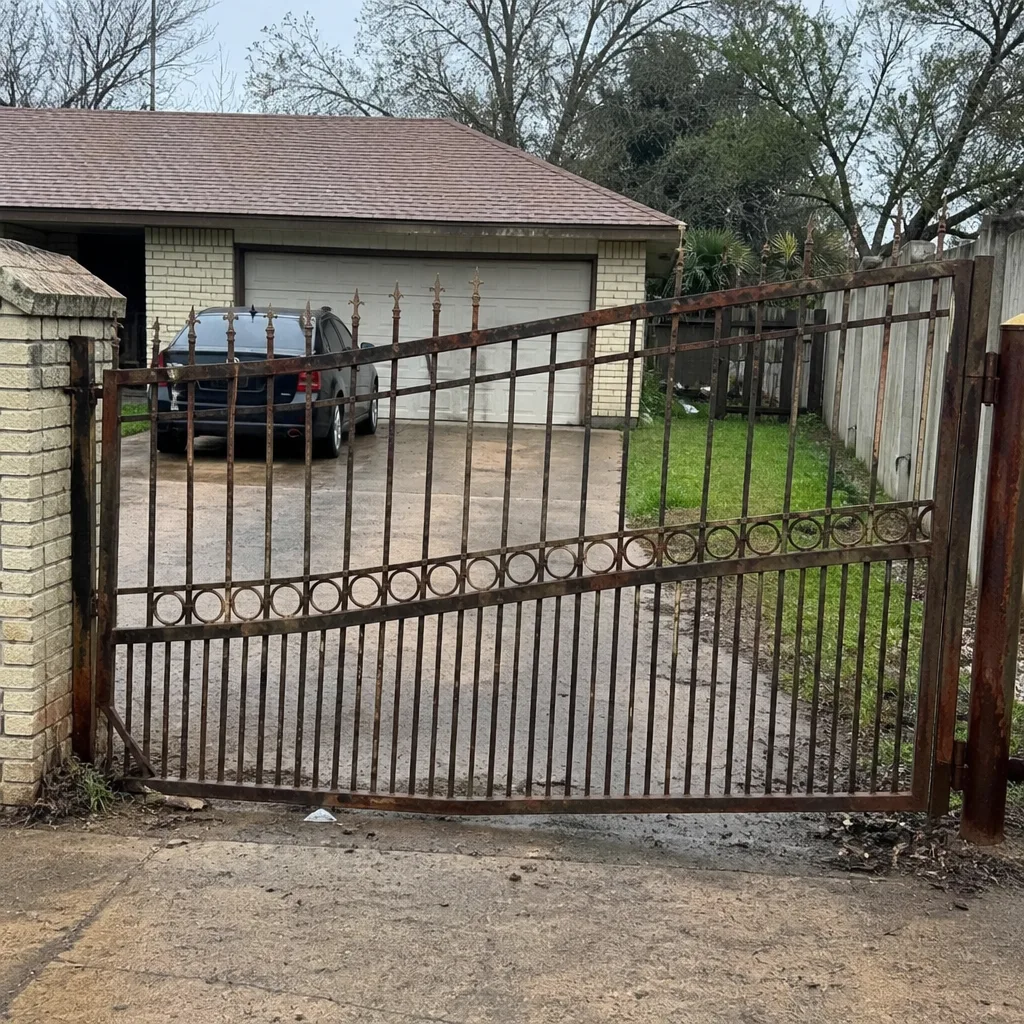
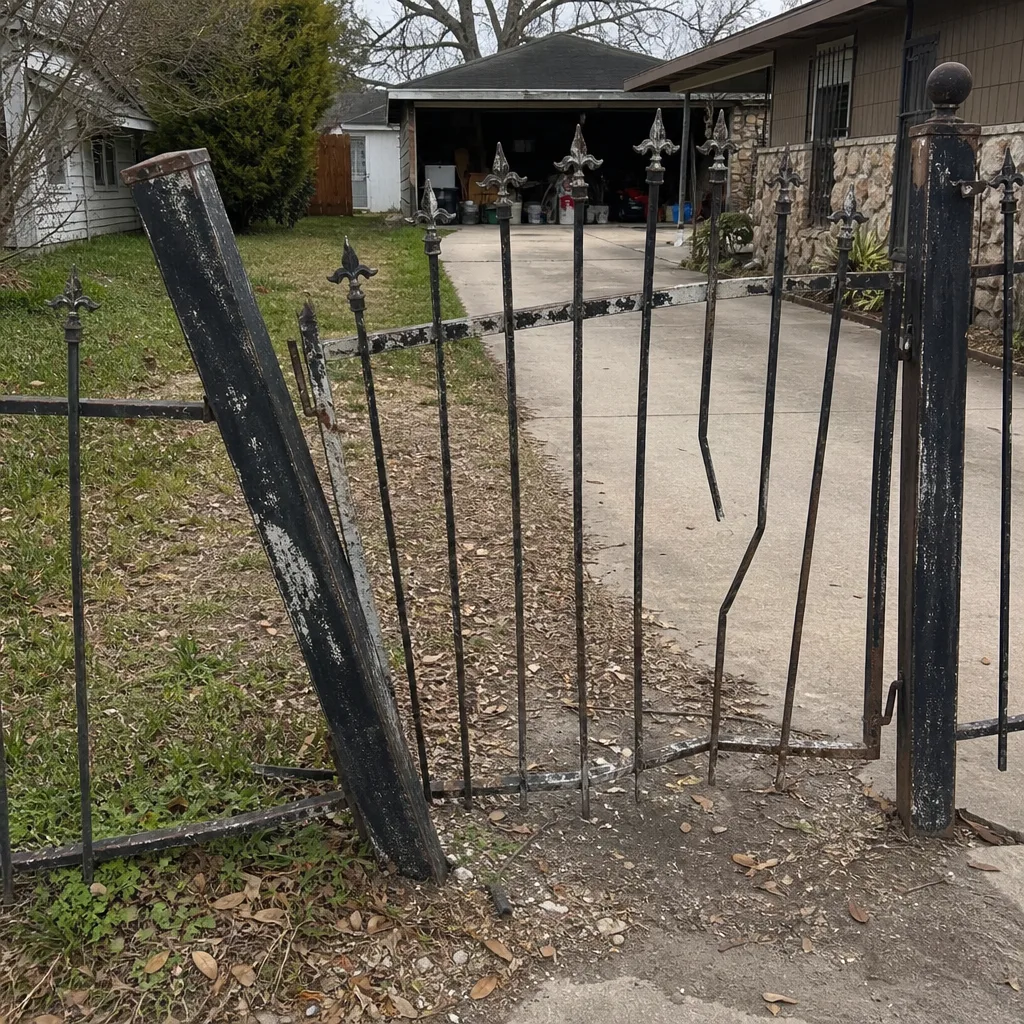 Before
 After
 Before
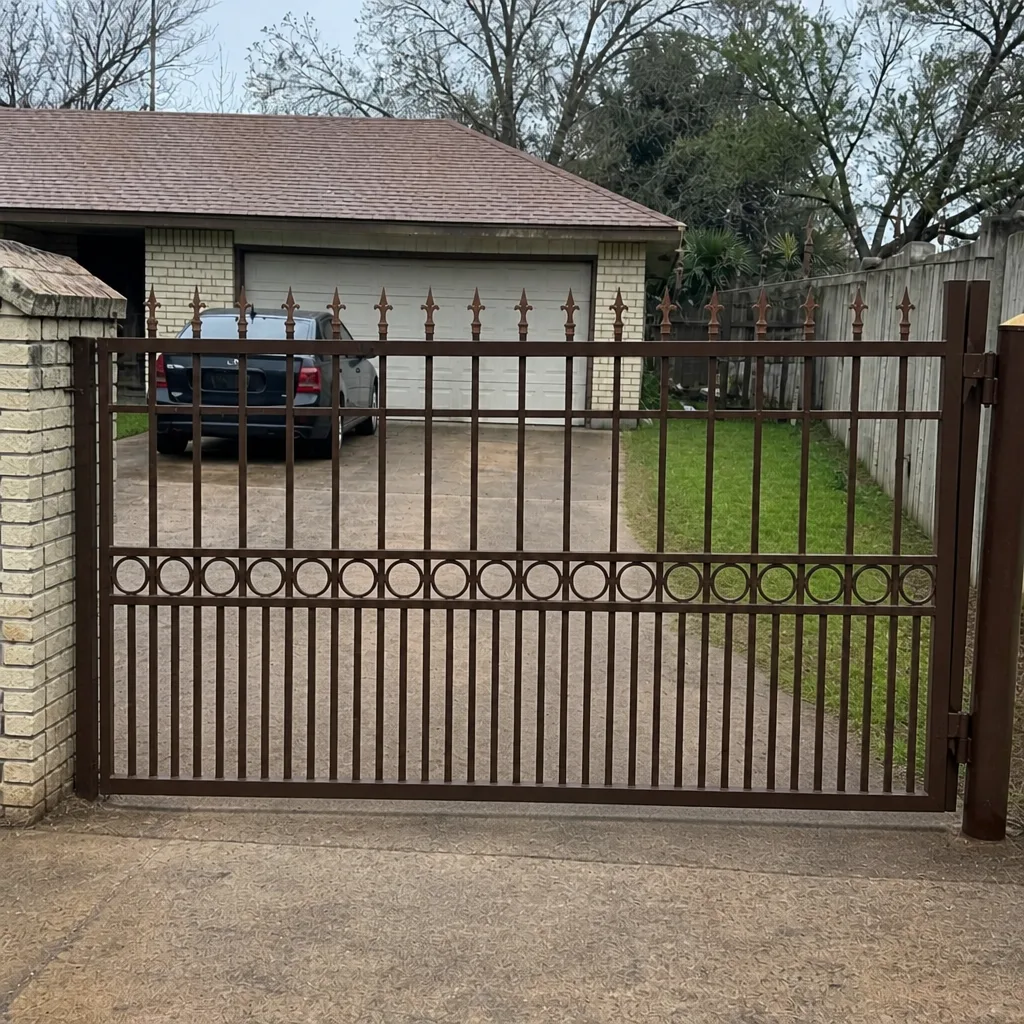 After
When to Call a Professional
Some gate issues are a part swap; some are a permit problem in disguise. Call us when the gate stops mid-travel and won’t reverse, when the operator runs but the gate doesn’t move, when a keypad or access system locks everyone out, or when photo-eyes won’t clear. Those are electric gate symptoms, and they’re our core work. Call us before an installation or a structural post replacement if you want a specialist to tell you what permits will apply and handle the electrical side correctly. And call us if you’re about to sell a Pasadena property with a gate and no paper trail, because that’s a conversation worth having early. Our technicians have up to 15 years of experience, we work on your brand whatever it is, and the diagnosis comes before the solution. Pasadena Gate Service offers free estimates in Pasadena – call (855) 772-8171. We answer 24/7. Fast dispatch from 7am to 7pm, Sunday through Friday.
Frequently Asked Questions
Usually not. Routine gate repair, motors, control boards, loop detectors, keypads, sensors, and hardware, generally doesn’t require a permit. New installations, structural post or footing replacement, and new electrical service to an operator generally do. Call the City of Pasadena building department to confirm your specific job before work begins, and call us for a free estimate on the repair itself.
Yes, in most cases. A new electrified gate is new structure plus new electrical service, which is exactly the type of work the city wants documented, and it’s usually subject to an inspection. Plan the permit as part of the job, not after it. We’ll walk you through the scope and give you a written quote, and you can confirm the permit requirements with the city.
UL 325 is the safety standard motorized gate operators are built and installed to, and it’s why a proper install includes photo-eyes, safety edges, and obstruction sensing. A gate without that protection is a liability exposure on your property and a concern for your homeowner’s insurance. If your gate has no visible safety devices, have it inspected. Call (855) 772-8171 for a free estimate on bringing it up to standard.
Ask for the permit number, then call the City of Pasadena building department with the address and confirm whether it was finaled. A finaled permit with a passing inspection record is what you want; an open permit can stall a sale. Do this during your inspection period, not after closing. If the paperwork is missing, a specialist inspection of the installation and safety devices tells you what you’re dealing with.
No. HOA rules sit on top of city code and are often stricter, so a gate can meet code and still violate your HOA’s architectural guidelines. Get written approval from both before installing or replacing a gate or operator. That applies to shared-entry systems in Pasadena developments too, where the association, not the individual homeowner, owns the gate.
Very likely. We service nine major brands, including LiftMaster, FAAC, BFT, Linear, Viking, Ghost Controls, DoorKing, Elite, and Mighty Mule, and our technicians have up to 15 years of experience. That means we service the system on site rather than steering you toward a replacement. For electric gate repair or gate repair, call (855) 772-8171. We answer 24/7. Fast dispatch from 7am to 7pm, Sunday through Friday. Estimates are free.
The Bottom Line
The permit rule comes down to one word: modification. Repair your motor, board, sensors, and hardware without a permit all you like; change the structure or run new electrical service and the City of Pasadena wants to see it. Check your HOA rules as well as city code, keep your safety devices working to UL 325, and verify any gate work with a permit record before you rely on it. That’s the difference between a gate that adds value and one that complicates a sale, a claim, or both.
Whether you’re sorting out a repair, planning a new installation, or untangling work a previous owner left behind, we’re one call from a straight answer. Pasadena Gate Service works on your brand, whatever it is, and puts diagnosis first. Call (855) 772-8171 for a free estimate. We answer 24/7. Fast dispatch from 7am to 7pm, Sunday through Friday.
Written by the team at Pasadena Gate Service.