
Last updated November 15, 2026
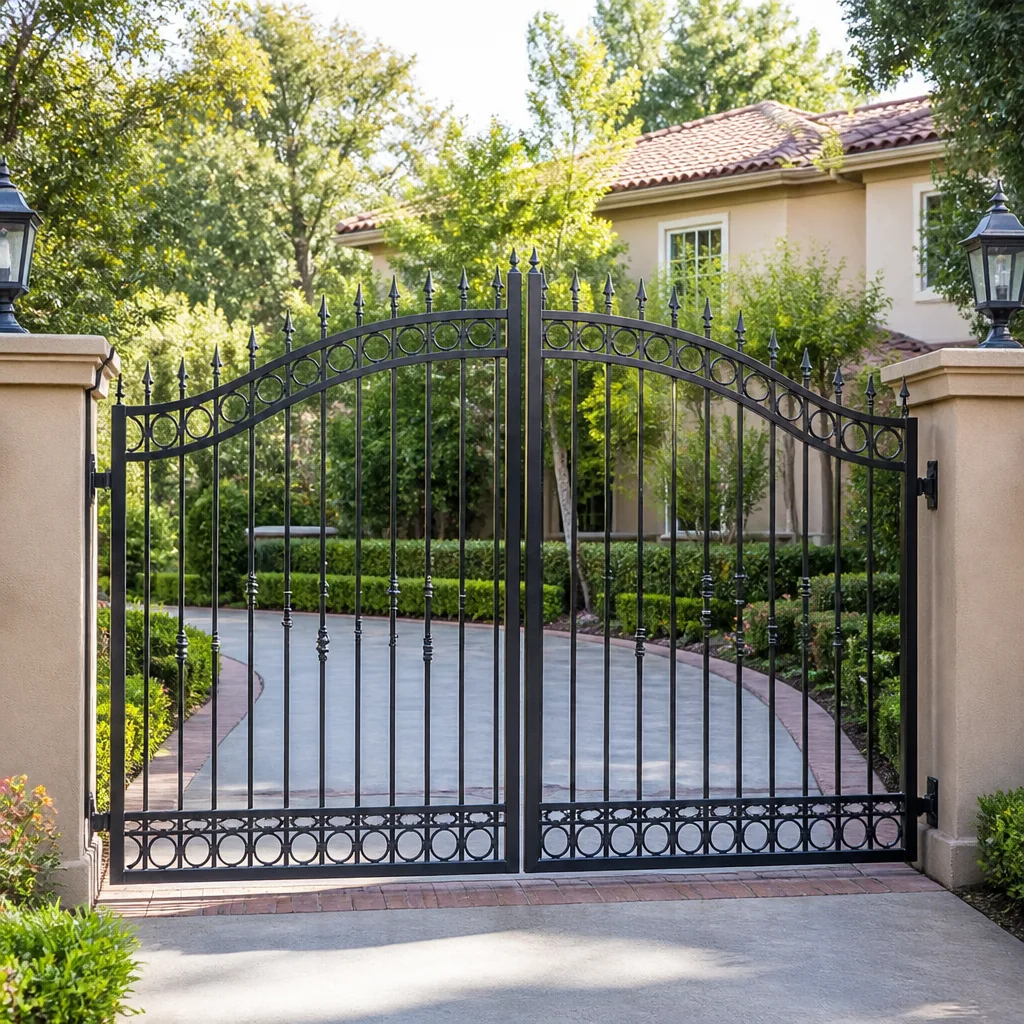 Wrought iron
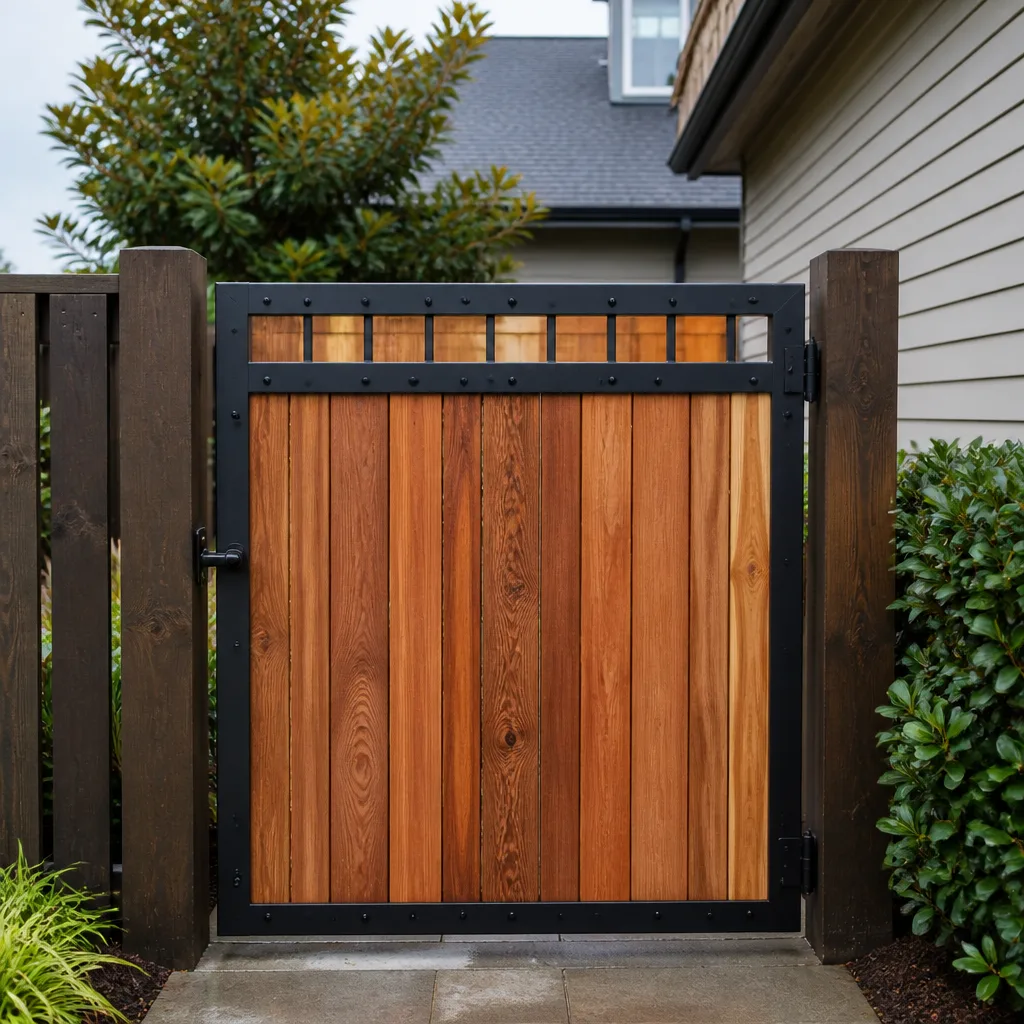 Wood & steel frame
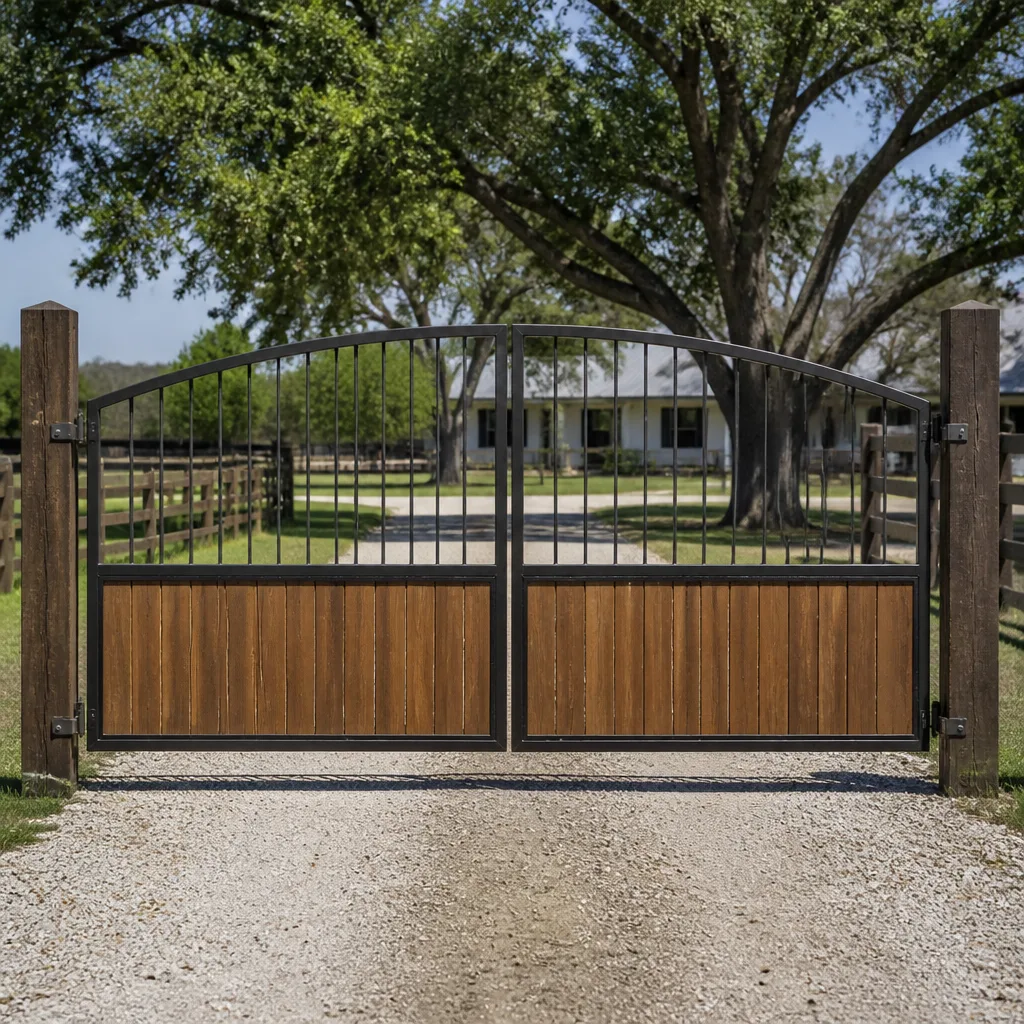 Farm & ranch
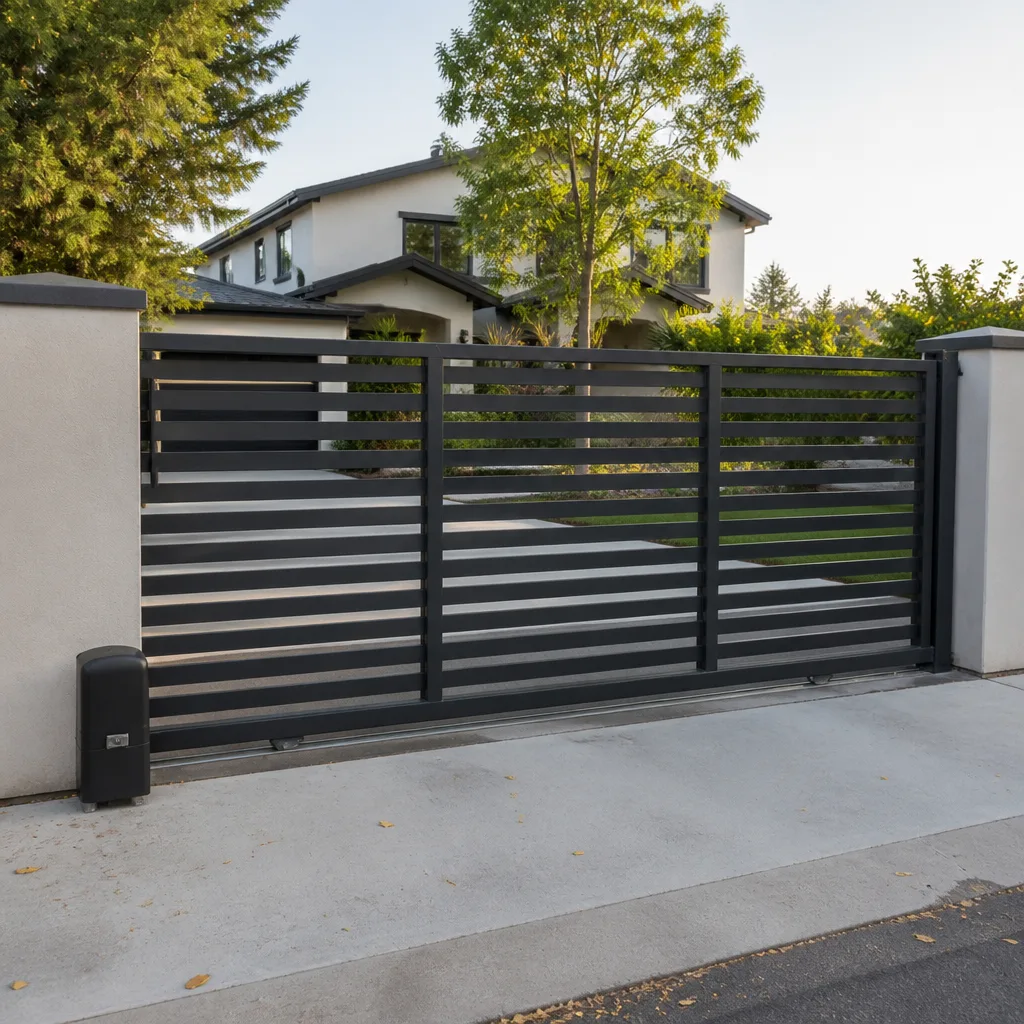 Sliding driveway gates
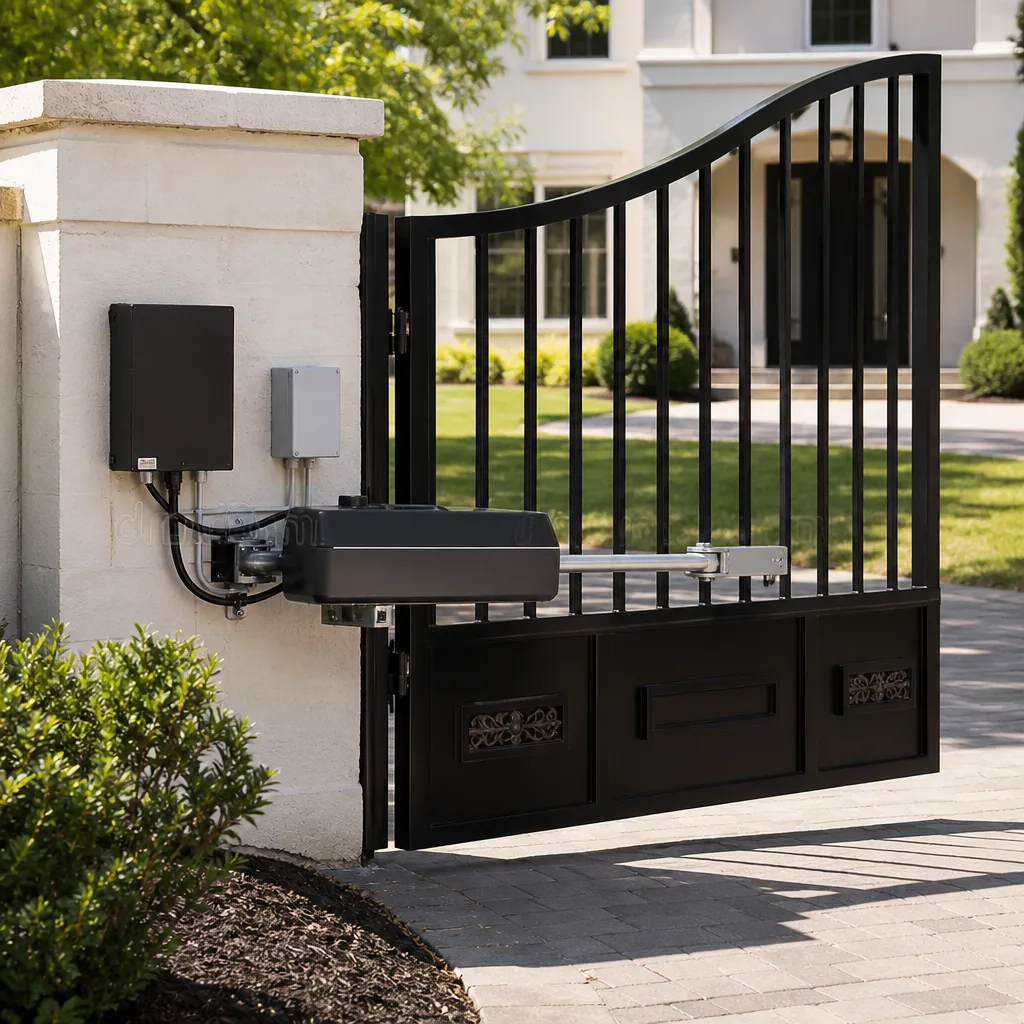 LiftMaster operators
Free on-site gate assessment - hinges, posts, and your LiftMaster or Nice gate operator checked before anything is quoted
The assessment is free and the quote is the invoice.
Get your free estimateGate Repair Maintenance Checklist for Pasadena Homeowners
The standard “every six months” gate maintenance schedule was written for a place with four real seasons and dry air. Pasadena isn’t that place. Between the humidity that rolls in off Galveston Bay, the heavy rain that pools around gate posts, and summer heat that cooks rubber seals and circuit boards, a gate here can go from working fine to stuck open well before the next scheduled inspection. This guide gives you a checklist built for this city, not a generic suburban driveway. You’ll learn what to check, when, and which problems you can catch early with your own eyes before they turn into a hinge or motor failure. Every step below is written for a Pasadena homeowner who wants to stay ahead of the repair.
Quick Answer
Pasadena homeowners should inspect their gate every month and lubricate moving parts roughly every 60 to 90 days, adding a deeper electrical and battery check twice a year. In this Gulf Coast climate, the parts that fail first are the ones that either hold moisture (hinges, welds, post footings) or get baked by heat (seals, control boards, backup batteries). A five-minute monthly walk-around catches most of the expensive failures early, and anything involving the operator’s wiring, the power supply, or a heavy panel that’s come off track should go to a gate specialist rather than a weekend fix.
Styles & brands we work with
- Wrought iron
- Wood & steel frame
- Farm & ranch
- Sliding driveway gates
- LiftMaster operators
Table of Contents
- Why Pasadena’s Climate Changes the Maintenance Schedule
- Lubrication Points and the Products That Survive Here
- Spotting Corrosion Before It Surfaces on Welds and Hinges
- Battery Backup Health in Extreme Heat
- Drainage Around Gate Posts After Heavy Rain
- What to Check on the Electrical Side (and What to Leave Alone)
- Building a Maintenance Log That Helps a Technician Diagnose Faster
- A Seasonal Schedule for Pasadena
Why Pasadena’s Climate Changes the Maintenance Schedule
A gate is a mechanical system with exposed metal, moving joints, a motor, and electronics, and every one of those parts reacts to weather. In the Houston-area climate Pasadena sits in, those reactions happen faster than they do in dry, inland cities. The humidity keeps surfaces damp longer after rain, which is exactly the condition rust needs. The heat pushes lubricants to break down and thin out, and it stresses the electronics inside the operator that control the whole gate.
That means the general advice you’ll find online about a maintenance “schedule” tends to be too slow for this zip code. A gate that a Denver homeowner could ignore for six months might develop a stiff hinge or a failing backup battery in Pasadena within that same window. The fix isn’t more time on your hands. It’s looking at the right parts more often, especially the ones tied to moisture and heat.
Here’s the core idea: in Pasadena, your maintenance plan should be moisture-driven and heat-driven, not calendar-driven. Instead of thinking in terms of “twice a year,” think in terms of:
- After every heavy rain event: check post footings and drainage.
- Every month: walk the gate, listen to it, look for rust blooms and loose hardware.
- Every 60 to 90 days: lubricate the moving joints with the right product.
- Twice a year, before summer: check the backup battery and the operator electronics for heat damage.
That rhythm is what separates a gate that lasts from one that keeps landing on a repair list. If a gate is already showing problems, we handle gate repair for homeowners and property managers throughout the area, but the goal of this checklist is to keep you out of that queue in the first place.
Lubrication Points and the Products That Survive Here
The right lubricant in a hot, humid climate is not the same as the right lubricant in a dry one. In Pasadena, a product that stays tacky and attracts dust and grit does more harm than good: it forms a paste that grinds at the hinge pin and rollers every time the gate moves. What you want is a lubricant that resists being washed away by rain but doesn’t hold grit.
Here are the points that matter and the type of product that holds up:
- Hinge pins and joints: a lithium or silicone-based spray that dries to a light film. It protects the metal without becoming a grit magnet.
- Rollers and track (on sliding gates): a dry-film or silicone lubricant. Avoid heavy grease, which holds dust in this climate.
- Latch and striker: a light coat of the same dry-film product so the latch releases cleanly.
- Chain (on chain-driven operators): a chain-specific lubricant, not motor oil, so it stays put through rain.
What to avoid: WD-40 used as a long-term lubricant (it’s a solvent and a light oil that evaporates off quickly), thick bearing grease on exposed joints, and anything labeled “heavy-duty” that stays wet and sticky. Those are the products that grab grit and turn a smooth hinge into a grinding one.
Walk your gate first and note which joints move and which sit still. Lubricate the moving ones only. Wipe off excess rather than leaving it pooled, because in this humidity pooled lubricant traps moisture against the metal. Do this on a dry day, not right after a rain, so the product actually bonds to the surface.
Spotting Corrosion Before It Surfaces on Welds and Hinges
Rust that’s already flaking orange is easy to see. The corrosion that costs you money is the kind forming in places you walk past every day without looking. In a humid city, rust often starts inside a weld bead, under a hinge, or at the base of a post where the steel meets concrete, and by the time it’s visible on the surface, the metal underneath is already weakened.
Here’s what to look for, and where:
- Weld seams: run your eyes along every weld on the gate frame. Look for a chalky white or gray film (early oxidation), bubbling paint, or a thin orange line at the edge of the weld. Paint that blisters in a small spot usually means rust is forming under it.
- Hinge plates and their bolts: check the underside where the hinge meets the frame. Water sits there. Look for rust streaks running down from the bolt heads.
- The bottom rail of the gate: the lowest horizontal bar collects splash from rain and from the ground. Tap it lightly with a screwdriver handle; a dull, soft sound or a flaky feel means it may be rusting from the inside.
- Post bases: where the metal post meets its concrete footing, look for rust bleeding out at the seam and for paint peeling in a ring around the base.
- Fasteners: any bolt, nut, or screw that shows rust is also a bolt that’s loosening as it corrodes. Check them for tightness as you go.
A small rust bloom caught early can be sanded, treated, and repainted before it eats into structural metal. A weld that has already failed from the inside is a different job. This is one place where our gate-specialist focus pays off: we’ve seen how corrosion progresses in this climate and can tell the difference between surface rust and a failing joint before it becomes a safety issue. If you find a rusted weld on a heavy panel, that’s a job for a professional, not a wire brush.
Battery Backup Health in Extreme Heat
Most automated gates run on a battery-backed operator so the gate still works during a power outage and so the control board has steady power. In Pasadena’s summer heat, those backup batteries age differently than they do in cooler places. Heat accelerates the chemical breakdown inside a battery, so a backup that would last several years in a mild climate can lose its capacity much faster when it sits in an operator housing that bakes in the sun.
The problem is that a failing battery doesn’t announce itself. The gate keeps working on mains power, and you only find out the backup is gone when the power goes out and the gate won’t open. Here’s how to get ahead of it:
- Check the operator’s indicator lights or display monthly if it has one. Many operators signal a low or failing battery, and that signal is easy to miss if you never look.
- Test the backup deliberately. Once or twice a year, with the gate in a safe position and the area clear, cut power at the breaker and confirm the gate still operates on battery. Restore power afterward.
- Look at the battery itself for swelling, a bulging case, or leakage around the terminals. Heat damage often shows physically before the electronics notice.
- Note the install date on the battery in your maintenance log (see the log section below) so you’re replacing it on a heat-accelerated schedule rather than waiting for a failure.
Battery location matters too. If the operator sits in direct afternoon sun, the battery runs hotter than one in shade, and heat is the enemy here. That’s one reason we look at operator placement as part of a repair visit. Brands like LiftMaster, FAAC, and Linear all use battery backup, and the check is similar across them, but the indicator behavior varies by control board, which is why a technician familiar with your brand saves time.
Drainage Around Gate Posts After Heavy Rain
Pasadena gets substantial rainfall, and water is a gate’s quiet enemy. After a heavy rain, the ground around your gate posts can hold standing water for hours or days. That water does two things: it softens and shifts the soil around the footing, and it keeps the base of the post wet long enough for rust to take hold. Over time, soil that heaves or settles under one post can pull the whole gate out of alignment, which shows up later as a hinge that binds or a gate that drags.
After a heavy rain event, walk the gate and check these:
- Look for standing water within a few feet of each post. If water pools there and drains slowly, that’s a drainage problem you’ll want to address before it moves the footing.
- Check for soil erosion around the base of each post. A visible gap or a washed-out ring means water is running along the post and undermining it.
- Test the gate’s swing or slide after the ground dries. If it suddenly binds, drags, or won’t latch the way it did before the rain, one post may have shifted. That’s the hinge alignment problem you want to catch before it stresses the operator.
- Look at the grade around the gate opening. If the ground slopes toward the posts instead of away, every rain event feeds the problem.
The fix for a drainage issue is often simple: regrading, a shallow swale, or redirecting a downspout. The fix for a post that has already heaved is a footing job, and that’s where a specialist comes in. Catching it at the “standing water” stage is far cheaper than catching it at the “gate won’t latch” stage. If you’re not sure whether your posts have moved, that’s exactly the kind of question a quick on-site look answers.
What to Check on the Electrical Side (and What to Leave Alone)
Automated gates have an operator, a control board, safety sensors, and often an access system (a keypad, a card reader, or a loop detector). You can safely check a few things on the electrical side with your eyes. The rest belongs to a trained professional, because the operator’s wiring carries line voltage and the heavy gate panel itself can crush.
What you can check safely:
- That the safety sensors (the photo-eye or edge sensors that stop the gate if something is in the way) are clean and unobstructed. A dirty lens or a leaf in front of a sensor is a common cause of a gate that reverses or won’t close.
- That the operator housing is intact, with no cracks letting water in and no rodent damage to visible wiring.
- That the gate reverses when it meets an obstruction, using a safe test object, following the operator manual.
- That the keypad or access device responds, if you have one.
What to leave to a professional:
Anything involving the power supply, the wiring inside the operator, the control board, or a gate panel that has come off its track or is hanging. Line voltage can seriously injure or kill, and a heavy gate panel that loses its support can crush. Don’t open the operator housing to “take a look,” and don’t try to trace or repair a wire yourself. If the gate won’t open, reverses randomly, or the operator is dead, that’s an electric gate repair call, and it’s one of the things we do as a core skill rather than a side job. Motor, control board, loop detector, and access-system failures are exactly the problems a generalist struggles with, which is why so many of them end up with a gate specialist.
Building a Maintenance Log That Helps a Technician Diagnose Faster
A maintenance log sounds like busywork until your gate fails and no one can tell when the problem started. A simple log gives a future technician the timeline: when the battery was last replaced, when the gate first started binding, when you last lubricated, when the ground around a post last held water. That history turns a diagnostic visit from guesswork into a fast, accurate diagnosis.
You don’t need software. A notebook or a note on your phone works. Track these fields per component:
- Date of each inspection and each task.
- Component checked (each hinge, the operator, the battery, each post, the sensors).
- What you did (lubricated, cleaned, tested, replaced).
- What you noticed (a rust bloom, a slow-draining puddle, a slight bind, a weak battery test).
- Product or part used (lubricant type, battery model if known).
The “what you noticed” column is the most valuable one. Write down things even if they seem minor, like “gate drags slightly at the far end since the last storm.” That single note tells a technician to check post alignment and drainage first, instead of starting from scratch. In our experience, the homeowners who keep even a rough log get faster, more accurate diagnoses because the timeline is right there. Pair the log with a quick monthly walk-around, and you’ll have a clear record of how your gate behaves through the seasons in Pasadena.
A Seasonal Schedule for Pasadena
Instead of a fixed six-month calendar, build your gate maintenance around the seasons as they actually play out here. The two drivers are summer heat and heavy rain, so the schedule leans on those.
Spring (before the heat sets in):
- Full visual inspection of every weld, hinge, and post base for early corrosion.
- Lubricate all moving joints with a dry-film or silicone product.
- Test the backup battery before summer heat stresses it, and note the date.
- Clean the safety sensors and confirm the gate reverses on obstruction.
Summer (the heat test):
- Check the battery and operator electronics monthly for heat stress: swelling, error indicators, erratic behavior.
- Recheck lubricant on high-use joints; heat thins it out faster.
- Look for cracked rubber seals or weatherstripping around the operator housing.
Fall and winter (the rain test):
- After each heavy rain, check for standing water and erosion around the posts.
- Test the gate’s swing or slide for new binding that suggests a post shifted.
- Recheck welds and fasteners for rust streaks after wet spells.
- Lubricate again as the rainy season begins so joints stay protected.
If a gate fails outside those windows, don’t wait for the next scheduled check. Call and we’ll book a visit. We answer 24/7 and dispatch Sunday through Friday, 7am to 7pm, closed Saturday. If a call comes in outside dispatch hours, it’s booked into the next opening.
Common Mistakes to Avoid
- Using a wet, sticky lubricant that grabs grit. In this humid climate, heavy grease turns into a grinding paste on hinge pins and rollers. Use a dry-film or silicone product instead.
- Ignoring the underside and the post bases. Most Pasadena corrosion starts where water sits: the bottom rail, the hinge undersides, and the point where the post meets concrete. Walk past those and you’ll miss the early rust.
- Waiting for the gate to fail before checking the backup battery. Heat degrades the battery quietly, and you only find out during a power outage. Test it deliberately before summer.
- Skipping the post-rain drainage check. Standing water around a footing is the first step toward a heaved post and a misaligned gate. Check after the rain, not months later when the gate drags.
- Opening the operator housing to “diagnose” the problem. The wiring inside carries line voltage and a heavy panel can crush. Leave the electrical side to a gate specialist.
- Letting a general handyman or garage-door company “have a look.” A gate on the side of a generalist’s menu often means a wrong diagnosis or an unnecessary replacement. A gate specialist knows the brand and the actual failure.
- Not keeping a log. Without a timeline, every future diagnosis starts from zero. A simple dated record of what you noticed and when speeds up the repair.
See the difference
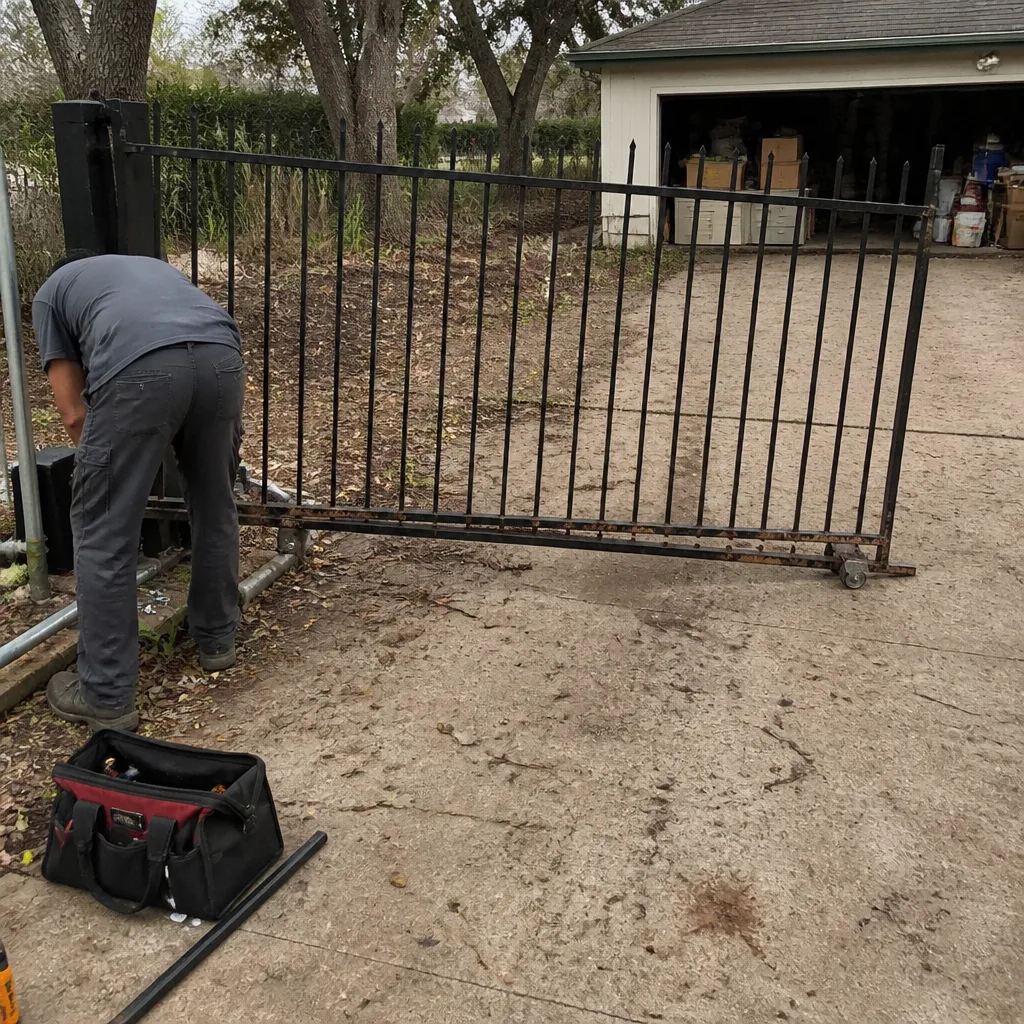 Before
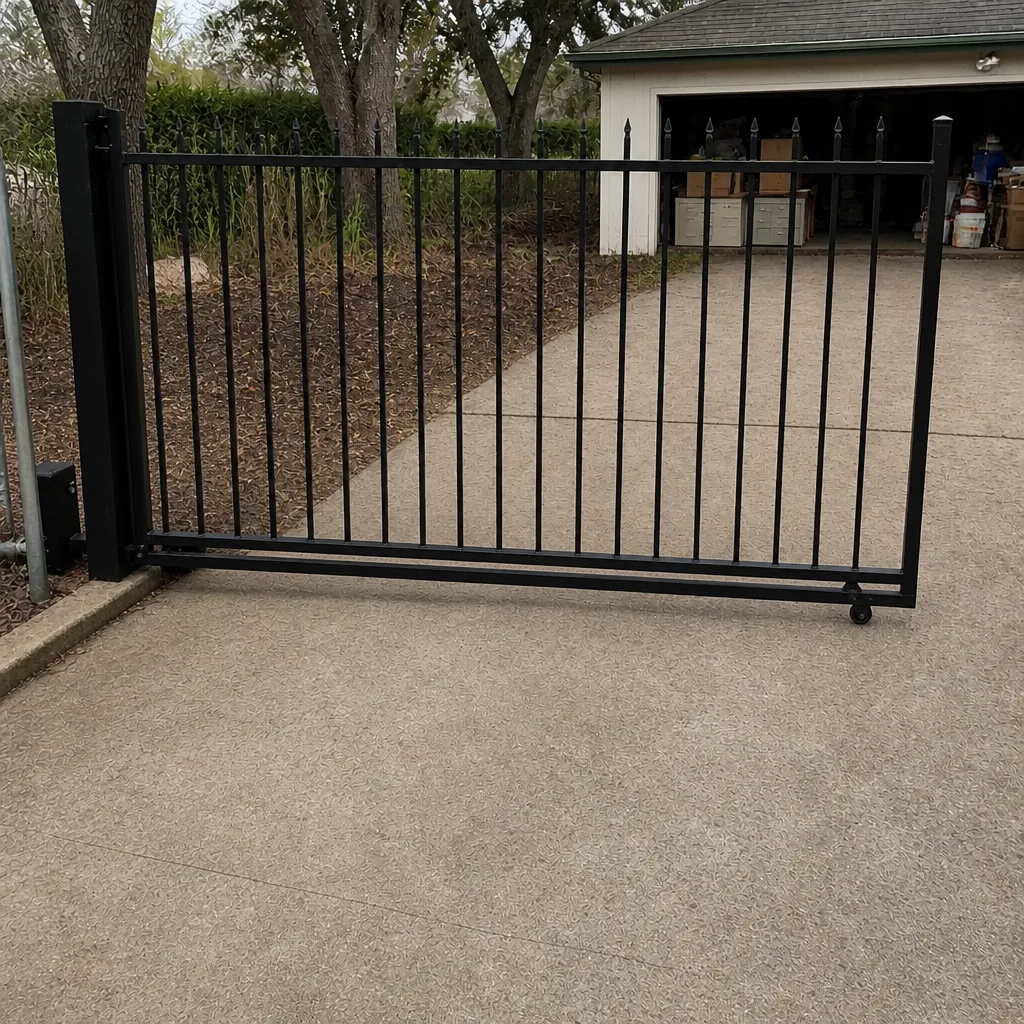 After
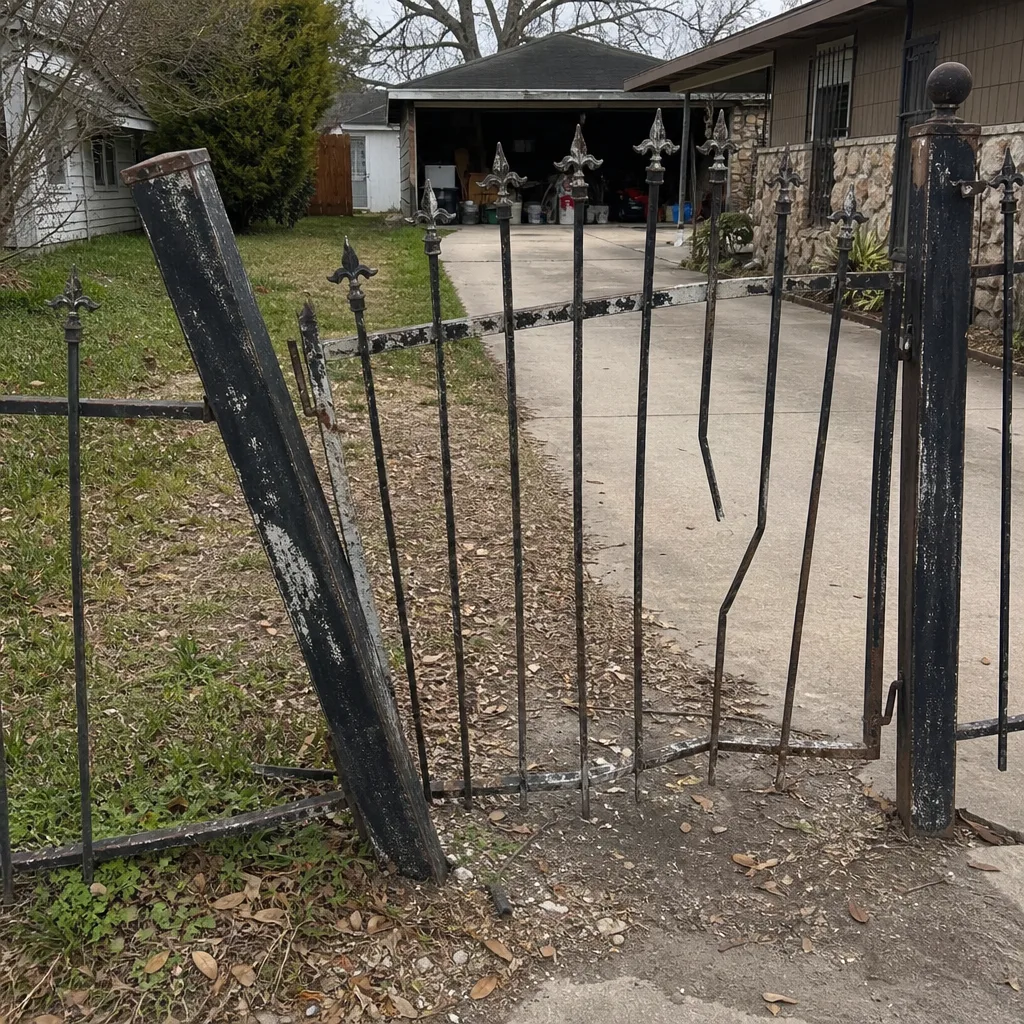 Before
 After
 Before
 After
When to Call a Professional
Some checks belong in your own hands; some belong to a trained technician. Call a professional if the gate won’t open or close reliably, if it reverses randomly, if the operator is dead or beeping an error code, if a heavy panel has come off its track or is hanging, if a weld is cracked or a hinge plate is pulling away from the frame, or if a post has shifted enough that the gate drags. Anything involving the operator’s wiring, the power supply, or the control board is a stop-and-call situation. And if you’re not sure whether a symptom is minor or serious, a quick look answers it faster than guessing. Pasadena Gate Service offers free estimates in Pasadena. Call (855) 772-8171. We answer 24/7. Fast dispatch from 7am to 7pm, Sunday through Friday. The price is quoted and agreed before any work starts, so you’ll know the number before anything is done.
Frequently Asked Questions
Walk your gate once a month and do a deeper electrical and battery check twice a year, with a drainage check after every heavy rain. The monthly walk catches rust and binding early, and the twice-yearly check catches battery and electronics problems that heat and humidity accelerate here. Keep a log so you know when each check last happened. If a gate isn’t behaving the way it used to, call (855) 772-8171 for an exact quote; estimates are free.
A dry-film, lithium, or silicone-based lubricant that dries to a light protective film and doesn’t stay sticky. In this humidity, wet greases and heavy oils grab grit and trap moisture, which does more harm than good. Lubricate the moving joints on a dry day and wipe off the excess. If a joint still grinds after lubrication, it may be worn or misaligned, and a quick professional look will tell you which.
Heat accelerates battery aging, and a backup battery sitting in an operator housing that bakes in the Pasadena sun loses capacity faster than one in a cool climate. The gate keeps running on mains power, so you don’t notice until the power goes out. Test the battery on purpose once or twice a year, check for swelling, and note the install date. For a worn battery or an operator that won’t hold a charge, call (855) 772-8171 for an exact quote; estimates are free.
If the gate suddenly binds, drags, or won’t latch the way it did before a heavy rain, a post may have shifted. Look for standing water or eroded soil around the post bases and note whether the gate swings or slides the same as before. A shifted post stresses the hinges and the operator, so it’s worth checking soon rather than waiting. Call (855) 772-8171 to book a look; estimates are free.
You can safely check the safety sensors for dirt and obstructions, check the operator housing for cracks or rodent damage, and confirm the gate reverses on an obstruction. Anything involving the power supply, the wiring inside the operator, the control board, or a panel that’s come off track belongs to a trained professional, because line voltage and heavy panels are genuinely dangerous. We handle electric gate repair as a core skill, not a side service. Call (855) 772-8171. We answer 24/7. Fast dispatch from 7am to 7pm, Sunday through Friday.
Often, yes. Catching rust at the surface, a battery before it fails, or a drainage problem before it heaves a post usually means a small fix instead of a major one. A gate specialist can service whatever brand is installed, so the answer isn’t a replacement for a repairable gate. If your gate needs a look, our team at Pasadena Gate Service handles Pasadena homes and businesses every week. Call (855) 772-8171 for a free estimate.
The Bottom Line
A gate in Pasadena faces moisture and heat that most maintenance schedules don’t account for. The winning approach is to look at the right parts at the right time: monthly walk-arounds, lubrication with the right dry-film product every couple of months, a deliberate backup battery test before summer, and a drainage check after every heavy rain. Keep a simple log so any future technician can see the timeline and diagnose faster. Handle the visual checks yourself, and hand the wiring, control board, and heavy-panel work to a gate specialist. Do that, and your gate stays reliable through the rainy season and the summer heat. If something’s already wrong, don’t wait for the next scheduled check. Call (855) 772-8171 for a free estimate. We answer 24/7. Fast dispatch from 7am to 7pm, Sunday through Friday, closed Saturday. The price is quoted and agreed before any work starts.
Whether you need Pasadena Gate Service for a quick repair or help from a specialist who works on your brand, whatever it is, we bring gate-specialist diagnostic skill instead of a generalist’s guesswork. If you’d like to talk it through, call our team at Pasadena Gate Service at (855) 772-8171.
Written by the team at Pasadena Gate Service.