
Last updated November 15, 2026
 Wrought iron
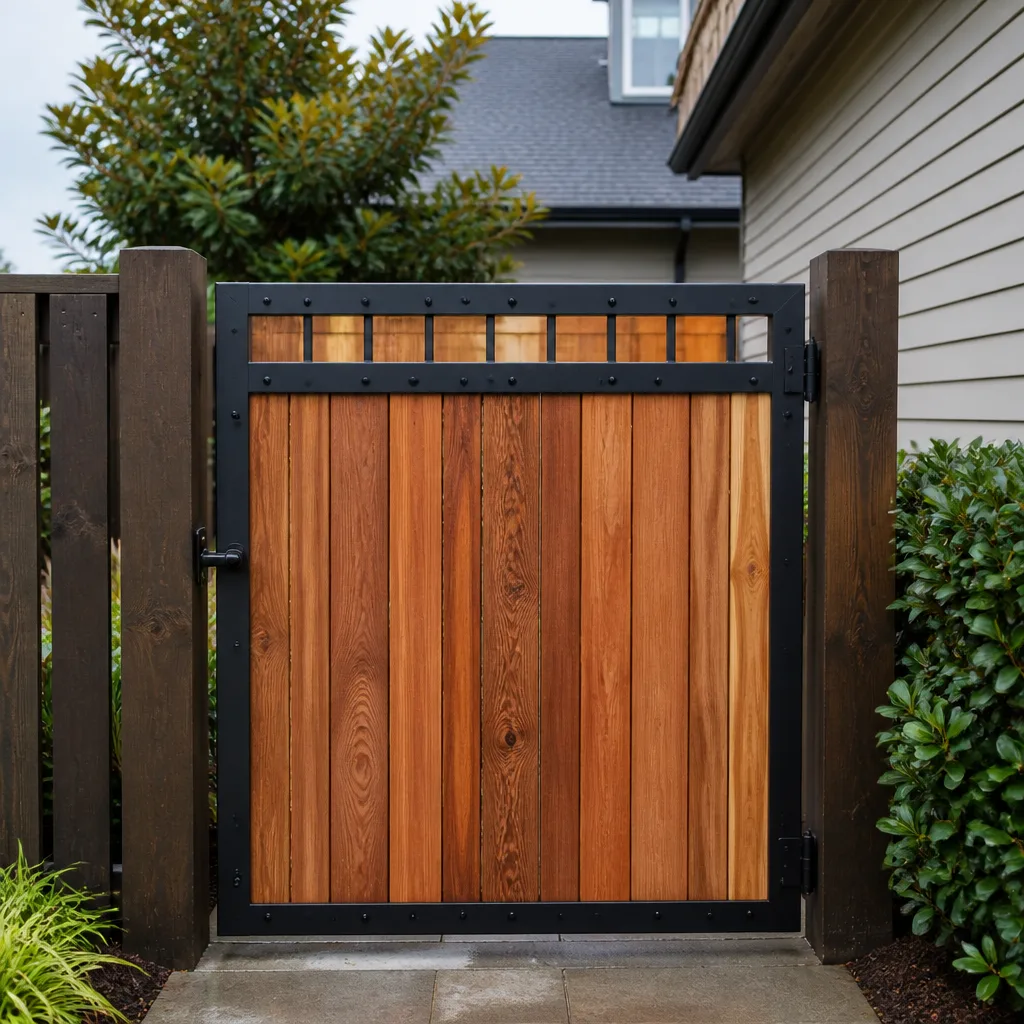 Wood & steel frame
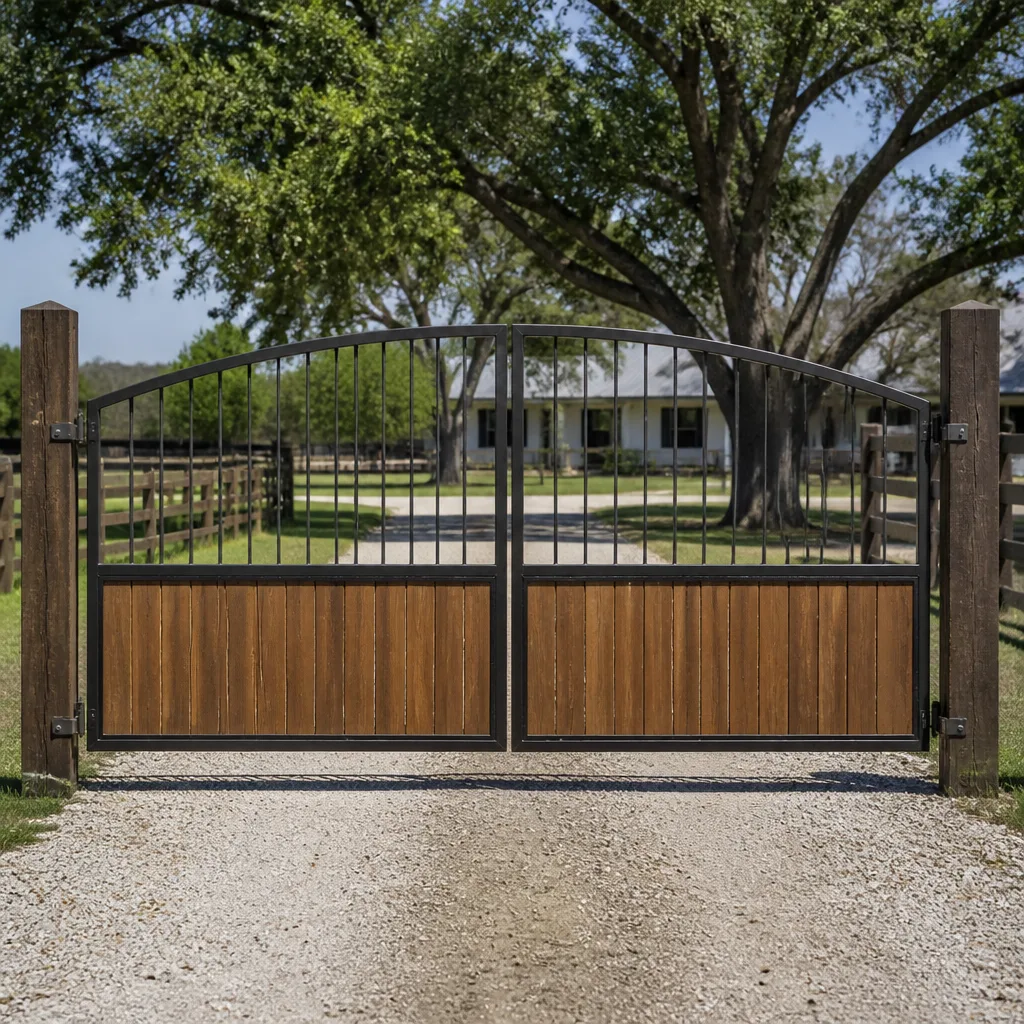 Farm & ranch
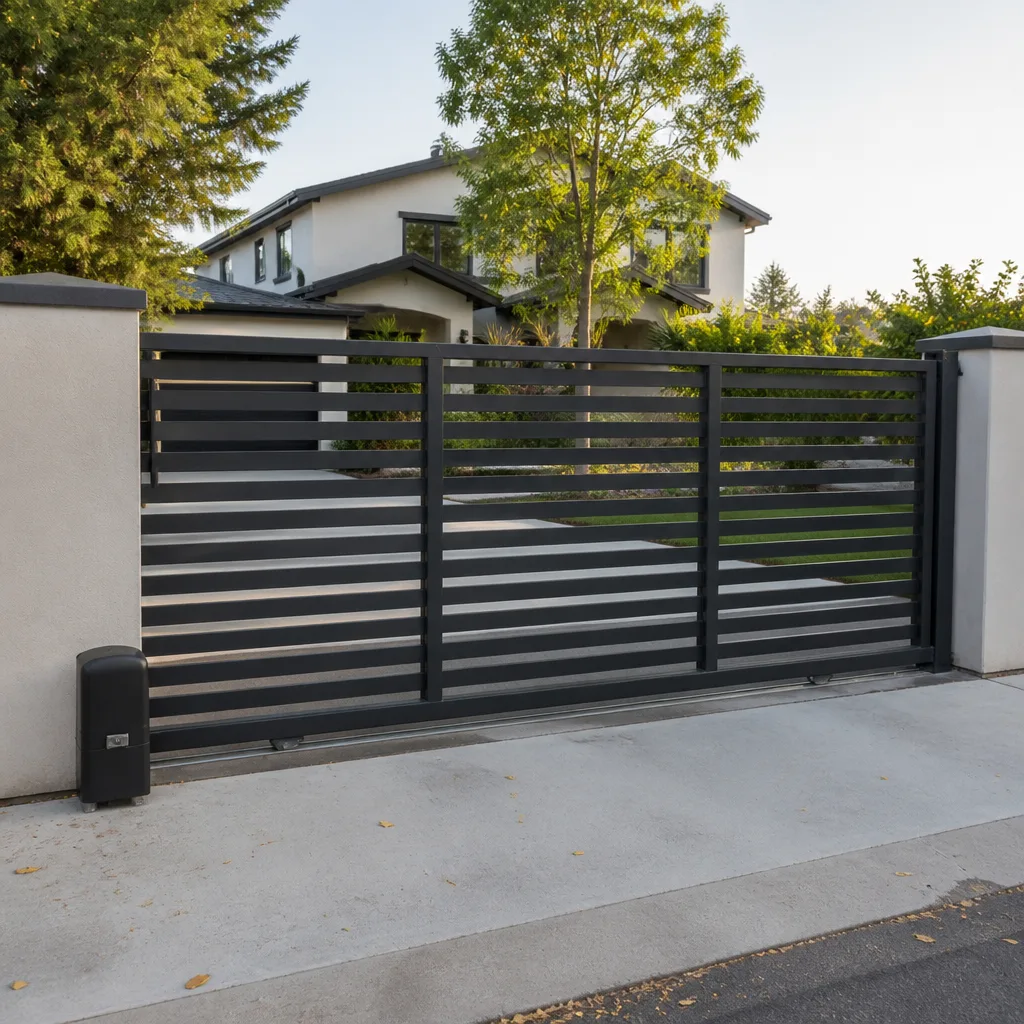 Sliding driveway gates
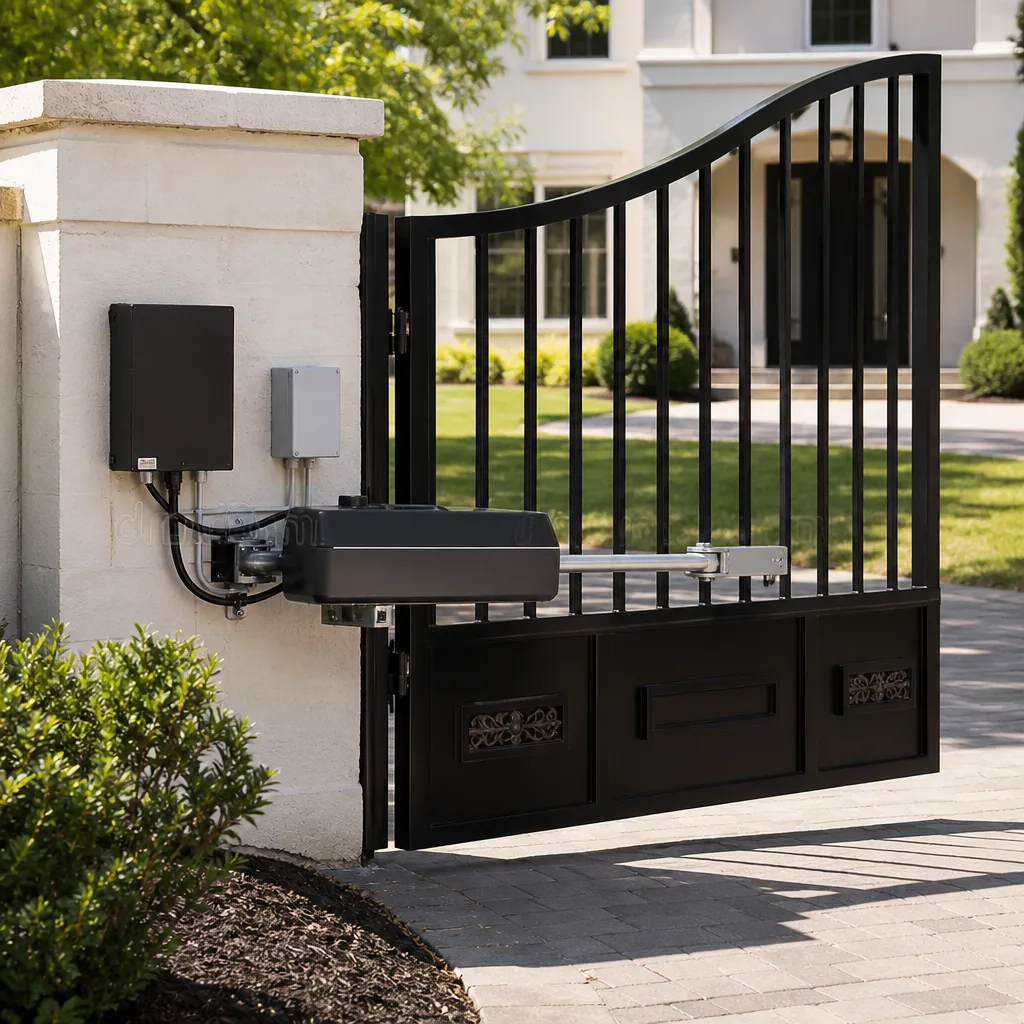 LiftMaster operators
Free on-site gate assessment - hinges, posts, and your LiftMaster or Nice gate operator checked before anything is quoted
The assessment is free and the quote is the invoice.
Get your free estimateGate Repair Emergency Preparedness Guide for Pasadena Homes
Most gate emergencies aren’t really emergencies. They’re the predictable result of a skipped battery check, a photo-eye knocked out of alignment, or a homeowner who’s never once looked at the manual release on their own operator. The real problem is that you discover all of this at the worst possible moment, like 7pm on a Sunday with a car stuck on the wrong side of the driveway. What follows is the guide we wish every Pasadena homeowner had on the wall in their garage: how to tell the two types of failure apart, how to release each common brand by hand, what to say when you call for help, and how to keep the whole thing from happening again.
Quick Answer
A gate emergency in Pasadena is either a gate that won’t open (you’re locked in or out) or a gate that won’t close (your property is left exposed or a vehicle is blocking traffic). For a gate that won’t open, use the operator’s manual release, after confirming the power is off and the path is clear. For a gate that won’t close, clear the obstruction, check the safety sensors, and if the gate still won’t close, call a gate specialist rather than leaving it open unattended. Knowing which failure you have, and the right first move for that brand, is what turns a day-long mess into a twenty-minute fix.
Styles & brands we work with
- Wrought iron
- Wood & steel frame
- Farm & ranch
- Sliding driveway gates
- LiftMaster operators
Table of Contents
- The Two Kinds of Gate Failure (and Why the Response Is Different)
- How to Locate and Use the Manual Release on Your Operator
- Immediate Safety Steps for a Gate Stuck Open
- What to Tell a Repair Service When You Call
- Storm and Power Outage Protocol for Pasadena
- The Three Maintenance Skips Behind Most Emergency Calls
- Same-Day Repair: What a Typical Visit Looks Like
- What Gate Repair Costs in Pasadena
The Two Kinds of Gate Failure (and Why the Response Is Different)
When an automated gate stops working, the first thing to sort out is direction. A slide or swing gate that refuses to open is a lock-in or lock-out problem, and the fix starts with getting you through it, whether by hand release, keyed override, or a technician who understands the operator. A gate that won’t close is a security and traffic problem, and the answer there is about securing the opening and finding out why the controller is refusing to complete the cycle.
Those two failures get confused all the time, and the confusion costs people hours. Somebody with a gate frozen half-open assumes the motor died and starts calling around for replacement quotes, when in fact a limit switch got bumped and the whole repair is a fifteen-minute adjustment. Somebody whose gate refuses to close assumes it’s just “sticking,” clears the obstruction, and walks away from a sensor that’s about to fail again the next time a car pulls up.
- Won’t open: you’re trapped (or locked out), and the immediate goal is a safe manual bypass.
- Won’t close: the property is exposed, and the immediate goal is temporary security plus a real diagnosis.
- Won’t move at all: check power and breaker first, then the operator’s fault lights before assuming the motor is dead.
- Moves partway then reverses: almost always a safety sensor or obstruction, not a motor issue.
The reason this matters in Pasadena specifically is our housing stock. A lot of the older homes around town have gates that were installed years ago on operators that have since been replaced once or twice, and the manual release mechanism on the current operator doesn’t always match what the original installer left on the wall. When in doubt, the release is on the operator housing itself, not on the gate post.
One more distinction worth making now: a gate that fails because of a mechanical issue (a bent track, a worn roller, a hinge that’s dropped) is a different call than a gate that fails because of an electrical or control issue. The first is repair work, the second is electric gate repair, and a specialist handles both. If you don’t know which one you have, that’s the first thing a technician will work out.
How to Locate and Use the Manual Release on Your Operator
The manual release is the single most important piece of equipment on your gate, and most homeowners have never touched it. It’s a mechanical or keyed release that disconnects the operator from the gate so you can push the gate open or closed by hand. The exact procedure differs by brand, and getting it wrong under pressure is how people bend arms, break limit switches, or strip a gear. Here’s the general procedure that applies across the common residential operators, followed by brand notes for the systems we see most often.
The general safety sequence (follow this first)
- Confirm the gate is fully stopped. If it’s mid-travel or cycling, wait for it to halt or cut power at the breaker before touching anything.
- Keep clear of the path. A released gate is a free-moving, heavy object. Nobody should be standing in its swing or slide path while you release it.
- Locate the release on the operator housing. It’s usually a keyed lock, a lever, or a pull cord/cable depending on the model.
- Turn or pull the release to disengage. This disconnects the drive from the gate, and the gate should then move by hand.
- Push the gate open or closed by hand, slowly, watching for anything in the path.
- Re-engage the release once the gate is where you need it, so the operator can take over when power and fault are cleared.
Brand-specific notes
Residential operators from LiftMaster typically use a keyed manual release on the housing, and on newer models the release arm sits behind the housing cover, so you may need to remove a small access cover first. FAAC operators often use a keyed release plus a separate lock, so you’ll need both the key and the correct turn direction to disengage the drive; forcing it the wrong way can damage the release. Elite operators vary by model, but the release is generally a keyed lever on the housing. Operators with Apollo-style releases sometimes use a pull cord or cable, and it’s worth confirming which type you have before you need it.
Whatever’s on your gate, the rule is the same: don’t force it. If the release won’t turn or the gate won’t move by hand after you’ve disengaged, stop and call a technician. A gate that won’t move by hand after release usually means a mechanical problem – a dropped hinge, a bound roller, a bent track – and being told that is faster than being told to try harder. If your operator is one we don’t recognize or the release is missing entirely, that’s the moment to call, not improvise. Call (855) 772-8171. We answer 24/7. Fast dispatch from 7am to 7pm, Sunday through Friday.
Immediate Safety Steps for a Gate Stuck Open
A gate that won’t close is the more serious of the two failures in the short term, because it hands your property’s access control over to whoever walks up. While waiting for a repair, your job is to reduce that exposure, not to fix the gate. Here’s what to do first, in order.
- Clear the path and the sensors. Look for anything in the gate’s path, then check the photo-eye or safety edge for physical obstruction or misalignment. If a branch, a ball, or a parked car is in the path, clearing it may let the gate close on the next cycle.
- Cycle the power once. Turn the operator off at its breaker, wait, then back on. Many controllers recover from a transient fault on a power cycle. If it still won’t close, the fault is real.
- Secure the opening temporarily. If the gate is a vehicle gate, park a car across the opening or set out a portable barrier. If it’s a pedestrian gate, a chain and padlock until the repair is done. This is the step most homeowners skip.
- Don’t prop the gate with anything that could crush or bind it. Wedging a gate against its own mechanism risks bending the arm or the track, and now you have a repair and a replacement.
- Call for a technician with the brand, model, and exact symptom ready.
Two local wrinkles make this more urgent in Pasadena than in some other cities. First, a gate stuck open on a driveway that fronts a busy street creates a traffic safety problem, not just a security one, and a temporary barrier matters more than a temporary lock on that kind of property. Second, this is a humid, Gulf-adjacent climate with a long storm season, and a gate that’s sitting open in weather gets more water into the operator housing than one that’s closed. Getting it shut or secured protects the equipment as well as the property.
For commercial and HOA properties, the stakes are multiplied: an open vehicle gate at a parking entrance can mean unauthorized vehicles in the lot within minutes, and an open pedestrian gate to a pool area is a liability. Those should be treated as priority calls and dispatched to a specialist rather than patched by an on-site handyman.
What to Tell a Repair Service When You Call
The call that gets you the fastest, most accurate response is the one where the person answering can picture your gate before a technician leaves. Have the following ready, and you’ll save a whole round of back-and-forth.
- Brand and model of the operator. LiftMaster, FAAC, BFT, Mighty Mule, or whatever’s on the housing. If you don’t know, look for the label on the operator, and if you can’t find it, a photo is fine.
- Gate type: slide or swing. This changes which parts a technician brings.
- The exact symptom and when it started: won’t open, won’t close, reverses partway, makes a noise, dead to the control. Note whether it was after a power event or a weather event.
- What you’ve already tried: power cycle, sensor clear, manual release. This tells a technician what’s already ruled out.
- Access details: whether the property is residential or commercial, whether the gate is on a street or a private drive, and whether the technician will need a code or a key to reach the operator.
- Any fault lights or codes on the control board or the operator’s display.
That list is short on purpose. What we’ve found over years of gate work is that a five-minute call with those facts in hand lets a specialist tell you whether you’re likely looking at a sensor, a control board, a motor, or an arm, and which parts to load. A generalist company that handles gates among other trades can’t do that as quickly, and you’ll feel it in the wait. If you’re calling around, ask whether the company is a gate specialist, not just a company that can do gates. A true specialist arrives knowing your manufacturer’s quirks rather than learning them at your curb.
And if the gate is stuck open and you’ve secured it temporarily, say so – it lets a technician prioritize. Call (855) 772-8171. We answer 24/7. Fast dispatch from 7am to 7pm, Sunday through Friday.
Storm and Power Outage Protocol for Pasadena
Pasadena sits in a storm-prone part of Texas, and the gate failures that cluster after a heavy rain or a grid event are almost all predictable. The most common post-storm calls break down into three groups: an operator that’s dead because the power is out, a gate that’s stuck because water got into a connector or control housing, and a gate that was working fine but now reverses on every cycle because a sensor got knocked out of line by wind-blown debris. Each one has a standard first response.
How battery backup should behave
If your operator has a battery backup, it should keep the gate working through a power outage – usually for a limited cycle count rather than indefinitely. What you should watch for:
- The gate continues to cycle on battery for a while, then slows or stops. That’s normal; the battery is draining.
- The gate does not move at all during the outage. If you expected battery backup and it went quiet, the battery is the likely suspect, but check the controller’s status first before replacing it.
- The gate cycles irregularly or the operator beeps a fault. That’s a sign the battery needs attention, not the motor.
- When grid power returns, the operator should restart. If it doesn’t, cycle the breaker once and then call for help.
What to do during an outage
- Don’t force the gate. If you need it open, use the manual release on the operator (see the brand notes above) rather than pushing against an engaged drive.
- Secure the opening if the gate has to stay open for access, using the same temporary measures you’d use for a stuck-open gate.
- After the storm, inspect the path and the sensors before putting the gate back into service. Debris and driftwood are common after heavy rain, and a sensor that’s been moved will keep the gate reversing.
- Check the control housing for water if the gate behaved strangely during the storm. Water intrusion is a real failure point and a technician can trace it faster than you can guess at it.
One thing a manual release won’t fix is a gate that’s had water into its control board. If the operator is completely dead after a storm and won’t respond to a power cycle, don’t keep cycling it – that’s a diagnosis for a specialist, because a repeated power cycle on a wet board can turn a repair into a replacement. A gate specialist who works on the full range of brands can usually tell you within a visit or two whether it’s a board, a sensor, or a motor, and what it’ll take. If you’re new to the area, the city’s own resources can help you find the right contacts for storm recovery, and our Pasadena page is a starting point for local context on how gates and storm recovery intersect.
The Three Maintenance Skips Behind Most Emergency Calls
The gate emergency calls we see most often fall into a small handful of root causes, and three of them are preventable with a few minutes of attention every few months. This isn’t about becoming a gate technician. It’s about catching the small stuff before it becomes a weekend problem.
1. Battery and backup checks
Operator batteries degrade quietly. A backup battery that ran fine for years can fail on the one outage you actually needed it, and the fix is not a new motor, it’s a new battery. Check the operator’s status indicator and any fault lights periodically, and replace the battery on a schedule the manufacturer recommends. This is the most common reason a gate “works fine until the power goes out.”
2. Safety sensor and photo-eye alignment
The safety sensors that stop your gate when something’s in the path are the most commonly misaligned component on any automated gate, and misalignment causes the reverse-partway symptom people misdiagnose as “the motor is going out.” Check that the photo-eyes are lined up with each other, that nothing is blocking their line of sight, and that the sensor brackets haven’t been bumped by a car or a weed trimmer. A wipe of the lenses and a straighten is often the whole fix.
3. The manual release check
Once a year, on a day when the gate is working normally, find the manual release and confirm it turns, and that the gate moves by hand when it’s disengaged. Do this with the power off and the path clear, per the sequence above. If it won’t release, you want to find that out on a quiet Tuesday afternoon, not when you need to leave in a hurry.
If you’re not certain what to check and what to leave alone, that’s a fair point. A one-time maintenance visit, priced per job after we look at the gate, is a reasonable way to get an honest assessment of what’s due and what isn’t. What we don’t do is sell a gate that doesn’t need replacing; the diagnosis comes first, the solution second.
Same-Day Repair: What a Typical Visit Looks Like
When your gate is down, the question isn’t “can someone come,” it’s “what will they actually do when they get here.” A competent gate repair visit follows a pattern, and knowing it helps you tell a specialist from a generalist.
- Check the obvious before touching the operator. A technician will look at the breaker, the control housing, and the safety sensors first. Most gate “failures” resolve here, which is why a good technician doesn’t start by quoting a new motor.
- Test the operator’s inputs. That means the remote, the keypad, any access control or loop detector, and the manual controls. A dead gate isn’t always a dead operator; sometimes it’s a control input.
- Measure and diagnose. If the operator and inputs check out, the technician moves to the mechanical side – track, rollers, arms, hinges – and the electrical side – limit switches, the control board, the motor. This is where brand familiarity pays off. A technician who’s worked the same operator family for years knows the failure patterns.
- Quote before work. You should get a written, agreed price before any repair starts. The estimate is free, and the final price is what’s on the written estimate, not a surprise invoice.
- Repair and verify. The fix is made, then the gate is cycled through its full path with the safety sensors tested, so you know it’s actually working before the technician leaves.
For emergency-type calls, same-day service is often possible, but the speed that matters is a specialist arriving equipped and correctly, not a company promising you a two-hour window and sending a generalist. That’s true across the whole spectrum of gate repair work: the faster you can get the right person to the right brand with the right part, the faster the gate is back.
One note for commercial and HOA properties: a gate visit should account for access control and loop detectors, not just the gate itself. A commercial gate that “won’t open” can be a loop detector not detecting a vehicle, or a card reader out of sync, and those are gate-specialist problems, not general-handyman problems.
What Gate Repair Costs in Pasadena
Gate repair pricing in Pasadena isn’t a published menu – it depends on the failure, the operator, and the parts involved. What you should expect is a free estimate, a written price before any work starts, and a clear breakdown of the labor and the parts. What you shouldn’t accept is a verbal range that changes when the work is done. The written estimate sets the final price, and that’s true whether the fix is a sensor realignment or a control board replacement.
What drives the price up or down:
- What failed. A sensor alignment or manual-release adjustment is on the low end; a control board or motor is on the higher end.
- The brand. Parts availability varies by manufacturer, and a specialist who works on the full range of systems can quote accurately where a generalist guesses.
- Gate type and size. A slide gate and a swing gate have different mechanisms and different access considerations.
- Access. A gate on a private drive that requires a code and a long walk to the operator takes more time than one facing the street.
- Whether it’s repair or replacement. Sometimes replacing an old operator is genuinely cheaper than repairing it, and a specialist will tell you that honestly rather than talking you into a repair you don’t need.
For a ballpark, ask for the estimate on the call and it’ll be confirmed on site. The most useful thing you can bring to the pricing conversation is the brand and model info from the operator, because it narrows the possible parts and the diagnosis before anyone arrives. If you’re weighing repair against a new install, our Pasadena Gate Service overview is a good place to see the range of what we handle, from a stuck gate up through a full installation.
Common Mistakes to Avoid
- Forcing the manual release the wrong way. Many homeowners turn the release in the direction that feels right and strip or bind the release mechanism in the process. Check the operator’s label or manual first, and if you’re not sure, call instead of forcing it.
- Assuming a dead gate means a dead motor. The gate that won’t move at all is often a tripped breaker, a dead battery, or a control input, not a motor. Check power and the controller’s fault lights before you start calling for quotes.
- Ignoring a sensor that reverses the gate. A gate that reverses partway is doing its job, and the fix is almost always the sensor, not the motor. Clearing the obstruction and realigning the photo-eye is the whole repair in most cases.
- Leaving a stuck-open gate wide open while you wait. In Pasadena, an open vehicle gate on a street-facing drive is a traffic and security issue, and it needs a temporary barrier, not just a call. Secure it first, then call.
- Letting a generalist learn your brand at your curb. A handyman who doesn’t work your operator will take longer, guess at parts, and sometimes recommend a replacement that a specialist would have repaired. Ask whether the company is a gate specialist before you book.
- Never testing the manual release. The single most common pre-emergency skip is never confirming your release works. A few minutes with the power off, on a quiet day, prevents being stuck in a real one.
- Skipping the battery and sensor check. The two components most likely to strand you after a storm or an outage are the battery and the sensors, and both are checkable without a technician.
See the difference
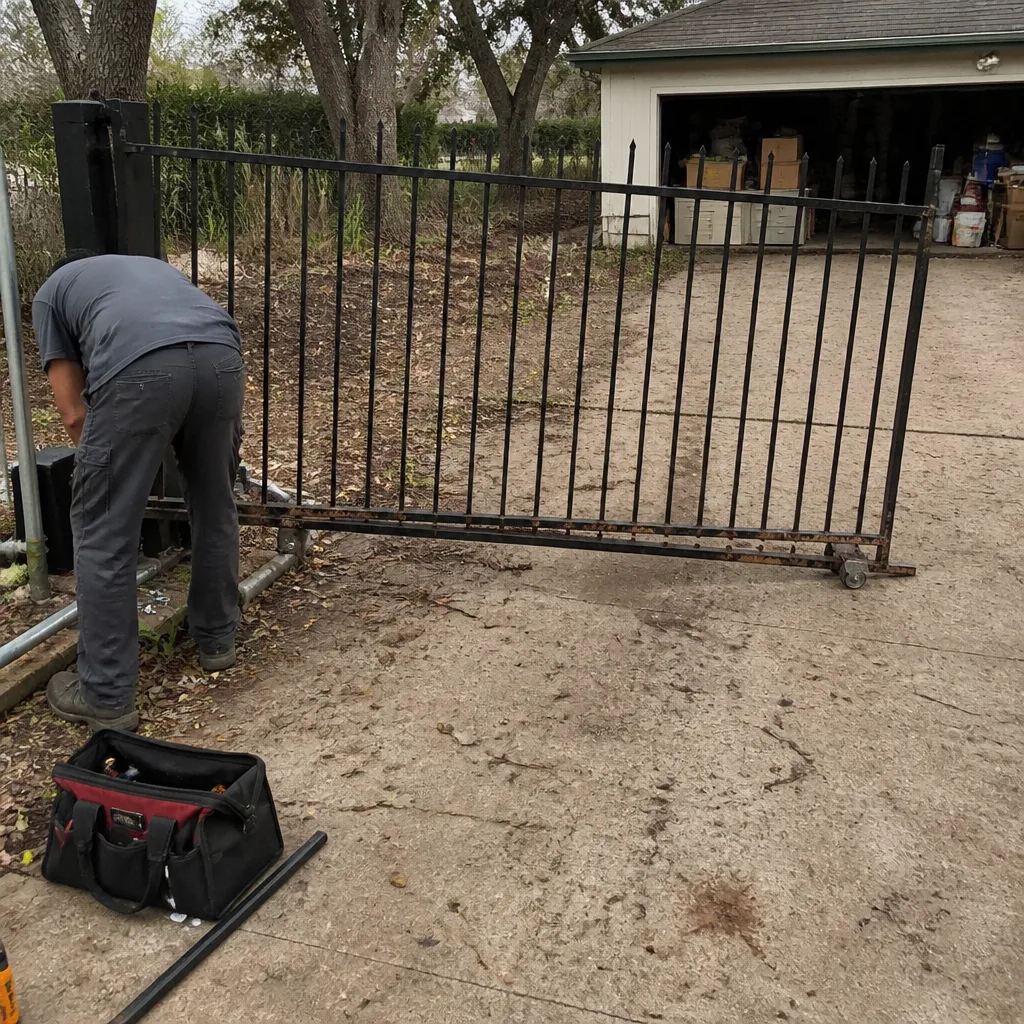 Before
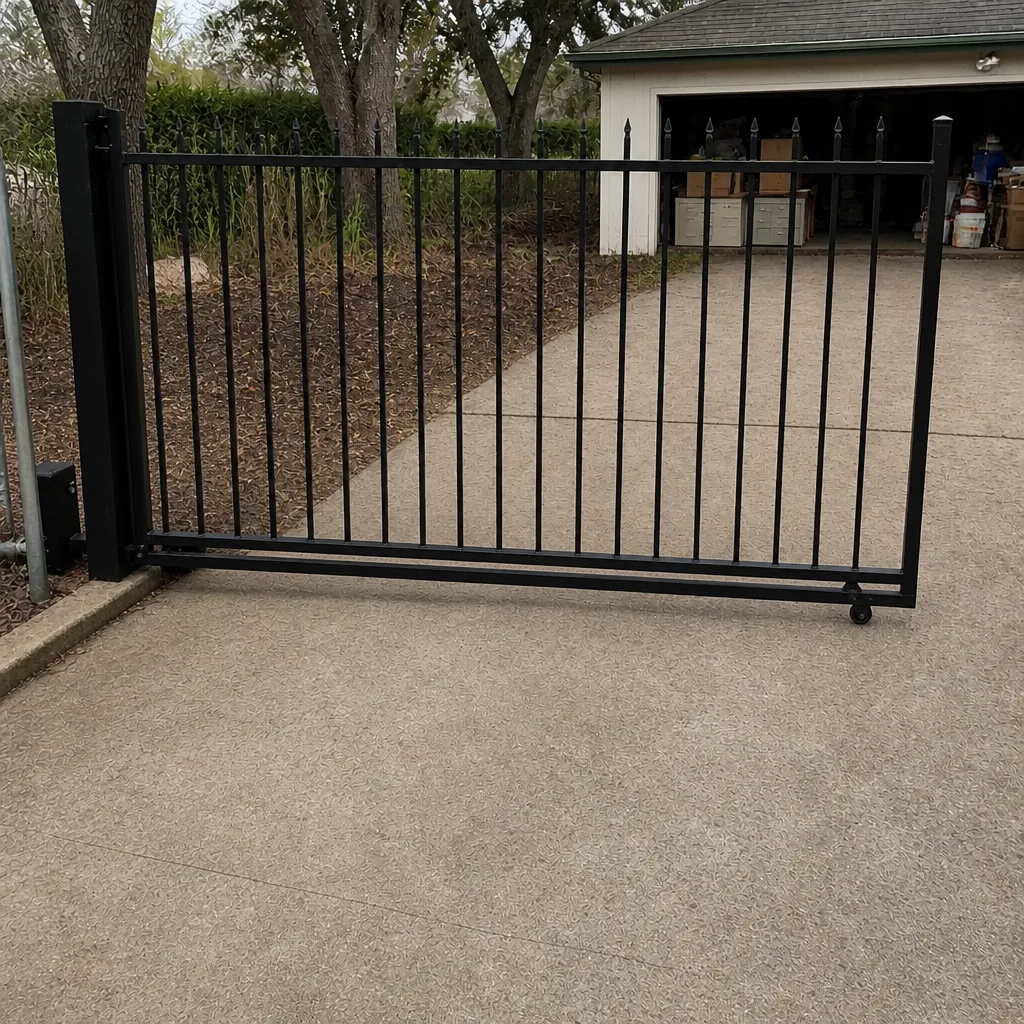 After
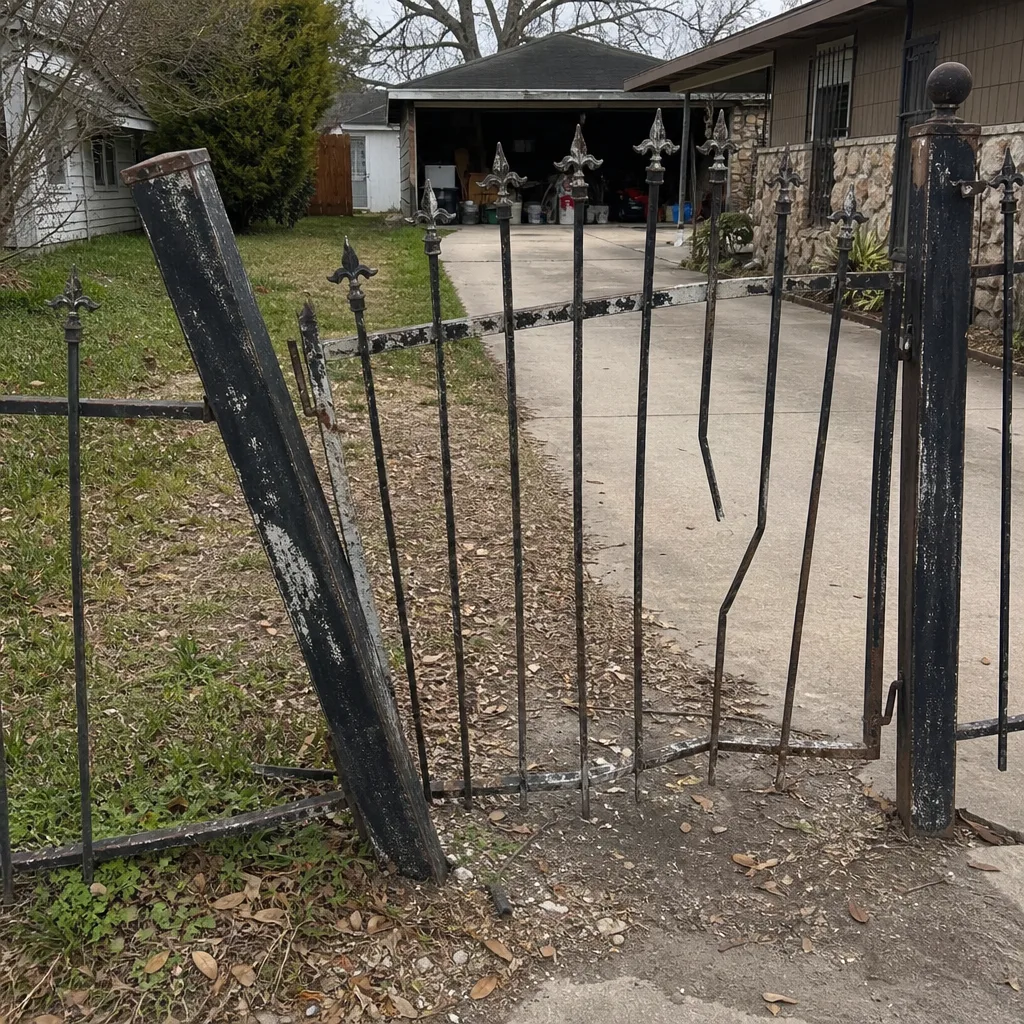 Before
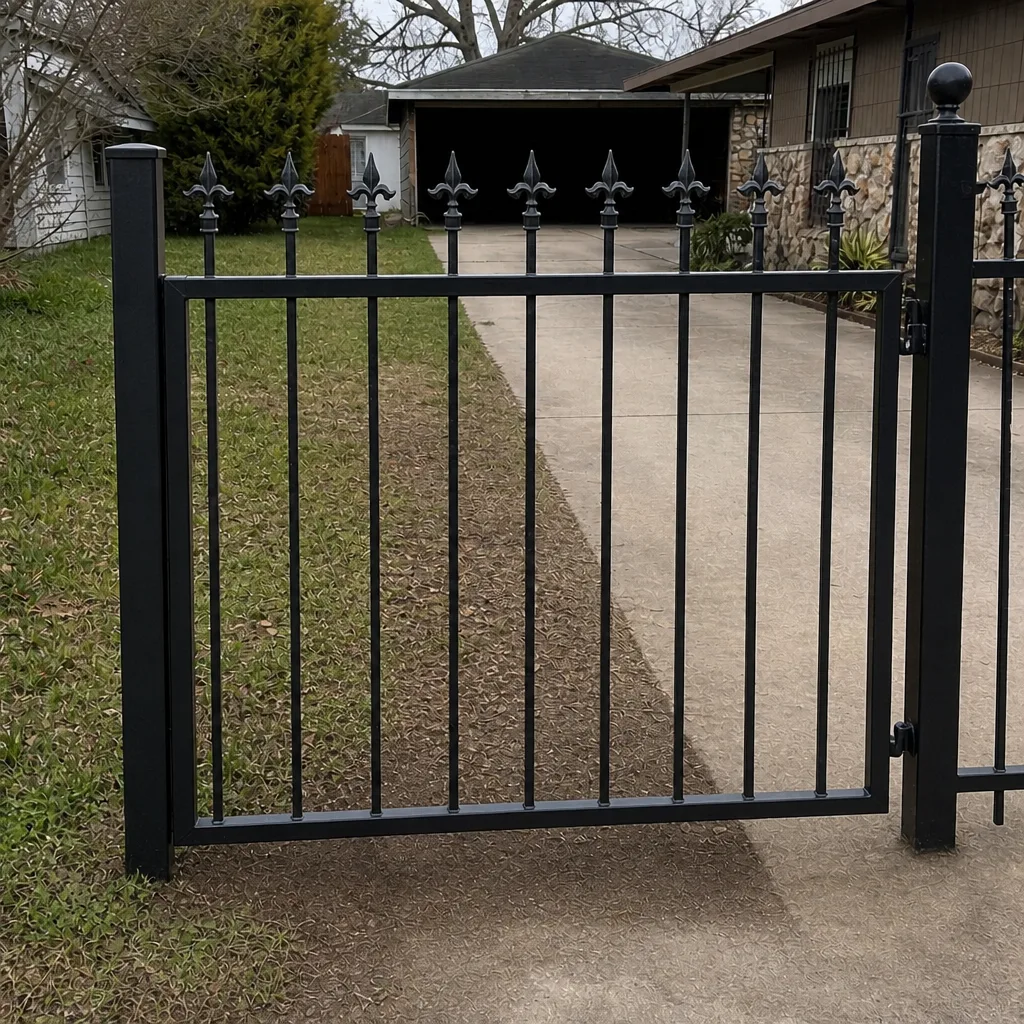 After
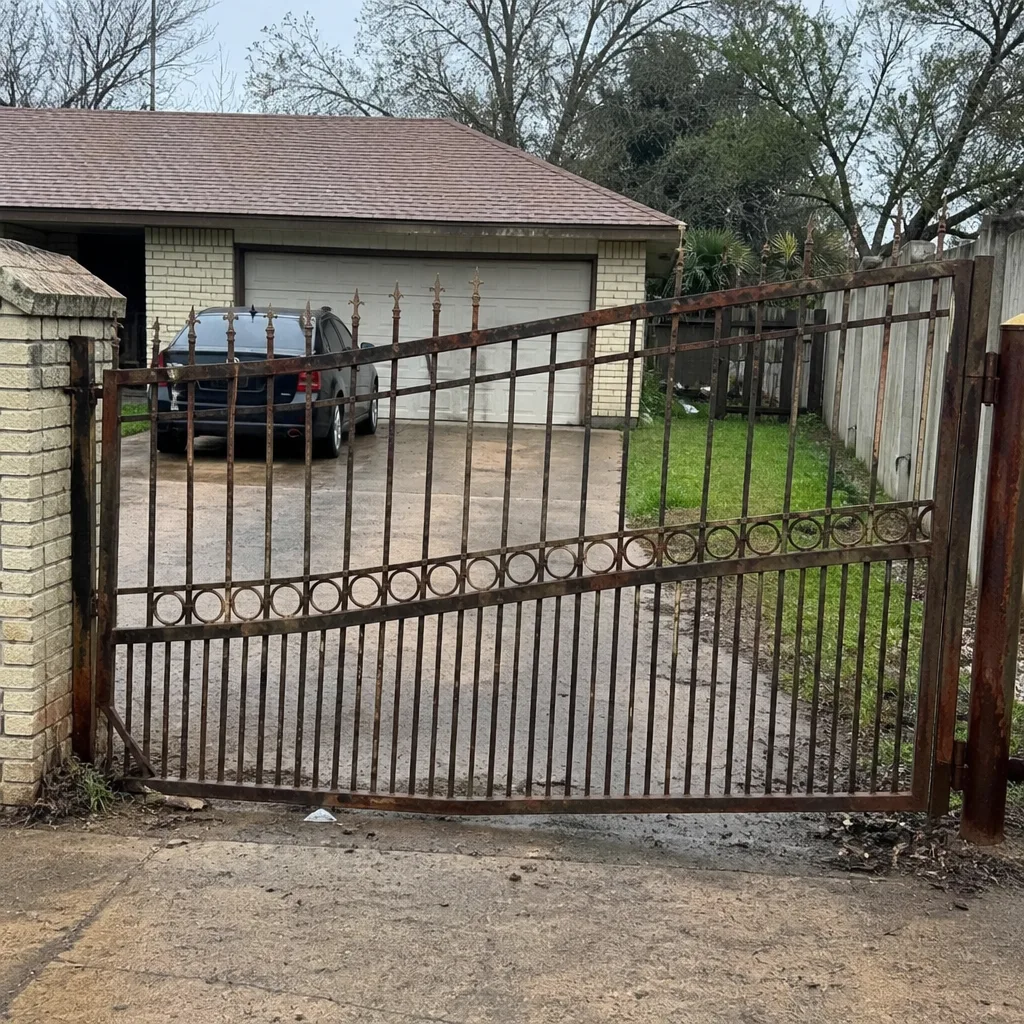 Before
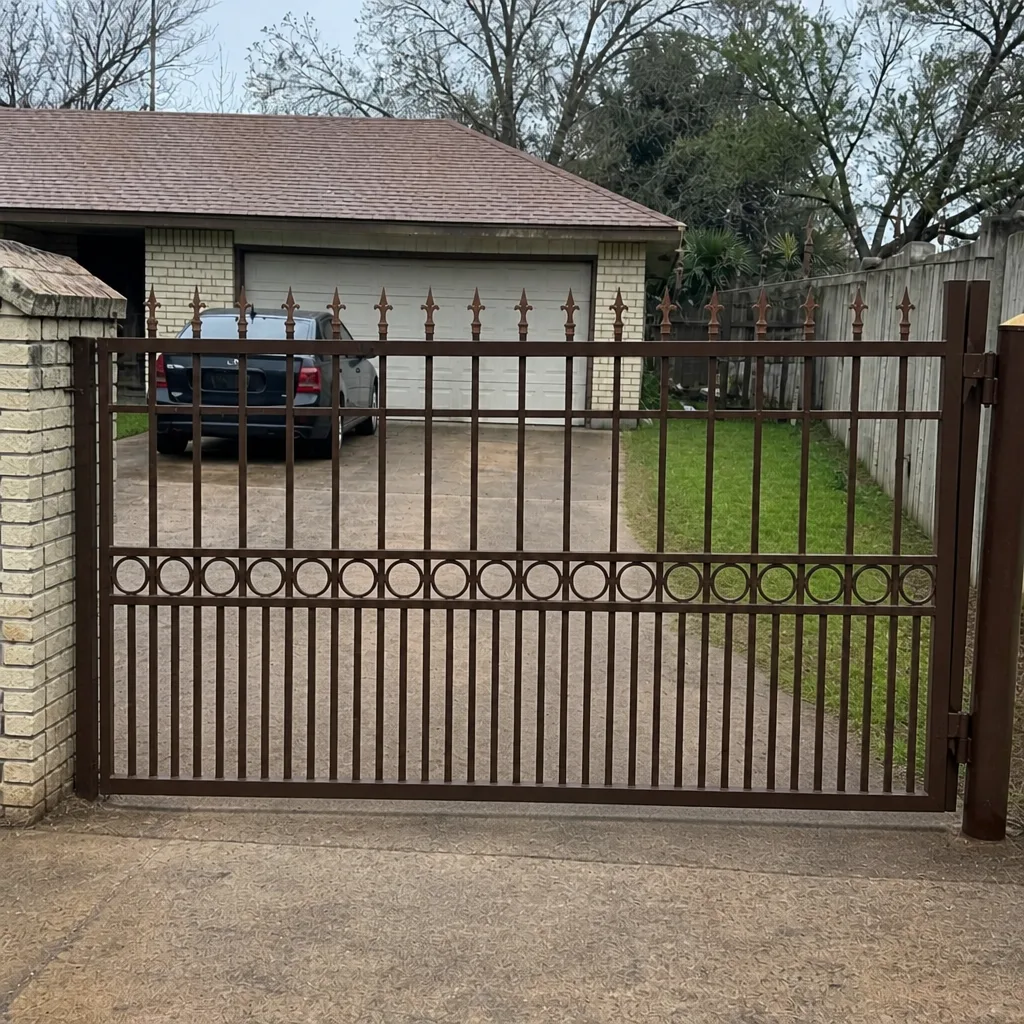 After
When to Call a Professional
You should call a professional when the gate won’t respond to a power cycle and cleared sensors, when the manual release won’t disengage or the gate won’t move by hand after release, when the operator shows a fault light or a repeated error, when the gate is stuck open and needs to be secured for a real repair, or when the failure followed a storm or a power event and the control housing may have taken on water. You should also call when you’re not sure – a five-minute conversation with a specialist will tell you whether you’re looking at a sensor, a control board, or a motor, and what to do first. Pasadena Gate Service offers free estimates in Pasadena – call (855) 772-8171. We answer 24/7. Fast dispatch from 7am to 7pm, Sunday through Friday.
Frequently Asked Questions
Confirm the power is on, then try the operator’s manual release so you can get the gate open by hand. If the release won’t disengage or the gate won’t move by hand after release, stop and call a specialist. Check the breaker and the operator’s fault lights before assuming the motor has failed. Call (855) 772-8171 for an exact diagnosis – estimates are free.
It’s on the operator housing, not the gate post, and it’s usually a keyed lock, a lever, or a pull cord depending on the brand. LiftMaster and FAAC operators typically use a keyed release, while some Apollo-style models use a pull cord. If you can’t find it, message us a photo of the operator and we’ll point you to it. Call (855) 772-8171 if you’d rather talk it through.
It can be, especially on a street-facing driveway or a commercial entrance. Clear the path and the sensors first, secure the opening with a car or a portable barrier, and call for a technician. A gate that won’t close after a power cycle and a sensor check is a real fault, not a nuisance. Call (855) 772-8171 – estimates are free.
The brand and model of the operator, whether the gate is slide or swing, the exact symptom and when it started, what you’ve already tried, and any fault lights or codes. That’s enough for a specialist to load the right parts and tell you what to expect. Call (855) 772-8171 with those facts and we’ll get you booked.
The most common causes are a drained backup battery, water in the control housing, or a safety sensor knocked out of alignment by wind-blown debris. Clear the path, check the sensors, and cycle the breaker once; if the gate is still down, it needs a diagnosis. Call (855) 772-8171. We answer 24/7. Fast dispatch from 7am to 7pm, Sunday through Friday.
We service the major residential and commercial brands, including LiftMaster, FAAC, BFT, and Mighty Mule, along with Linear, Viking, Ghost Controls, DoorKing, and Elite. We work on your brand, whatever it is. Call (855) 772-8171 to confirm your model and get a free estimate.
Yes. The same specialist team handles repair, electric gate repair, and new gate installation, so you don’t need a second vendor when the gate is repaired rather than replaced, or the other way around. Need a full install next? We’ll quote it in the same visit or a scheduled one. Call (855) 772-8171 for a free estimate.
The Bottom Line
Gate emergencies come down to two failures with two different responses, and the homeowners who handle them best are the ones who’ve thought it through before it happens. A gate that won’t open gets the manual release, power check, and a call to a specialist if it won’t move by hand. A gate that won’t close gets cleared, secured, and dispatched to a technician who understands the operator. Find your release now, check your battery and sensors once a season, and keep a barrier handy for the day the gate stays open. Pasadena Gate Service is a gate specialist, not a generalist – reach us at (855) 772-8171 for a free estimate, and know we’ve already worked on your brand.
Written by the team at Pasadena Gate Service.